 Angela Stefani
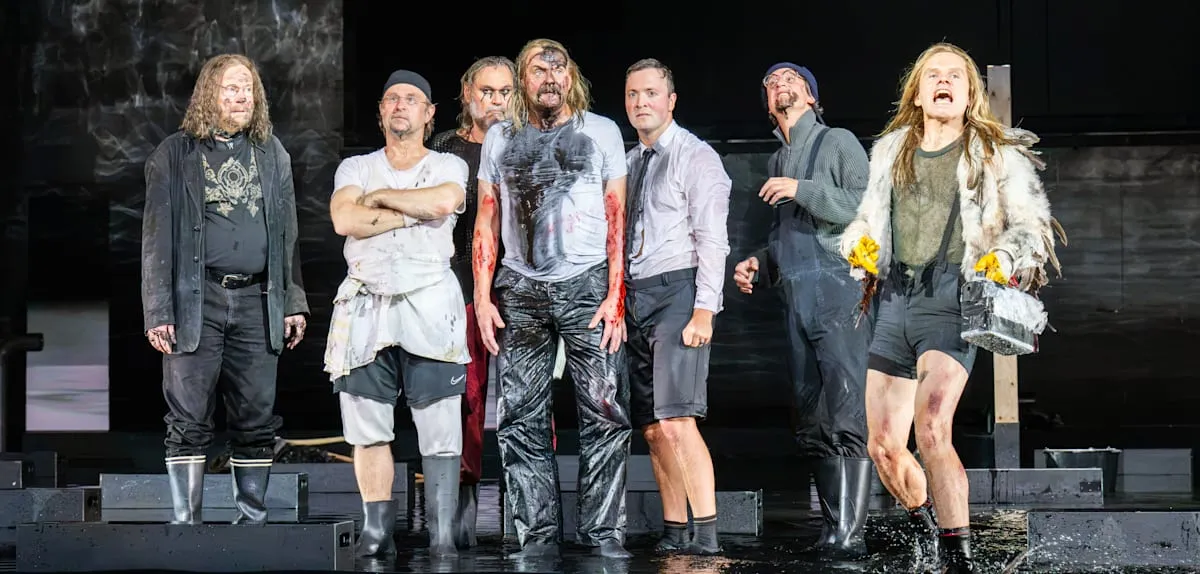
Hamburg – Veteran theater director, Karin Beier, has shaken up the performing arts world in Germany with her ambitious staging of the Greek epic, Argonaut, at Schauspielhaus Hamburg. This monumental production is presented as a challenging two-day theater marathon, capturing widespread attention and even sparking comparisons to modern epic cinema.
Beier, a figure behind many innovative productions, explicitly stated that the true epic work is unfolding on her stage, not on the silver screen as presented by Hollywood filmmakers. This declaration refers to the intensity and depth of the narrative offered, far exceeding the expectations set by large-scale films such as Christopher Nolans version of Odyssey.
The production team and actors literally stand ankle-deep in water, a powerful metaphor for unyielding struggle and commitment. This is not merely a stage set, but a reflection of the total dedication required from every element of the performance, mirroring the heroic journey itself.
The concept of not being allowed to turn back, despite facing difficulties, becomes a recurring thread throughout the show. The encouraging phrase used by the crew on stage surprisingly resonates with strategic discussions in every modern crisis meeting, demonstrating the timeless relevance of this story.
This resonance illustrates how art can reflect and comment on contemporary realities, from geopolitical challenges to social crises. Universal messages of resilience and hope emanate from every scene, making Argonaut more than just a historical reenactment.
Karin Beier is known for her daring reinterpretations of classic texts. For Argonaut, she not only presents the tale of Jasons journey and the quest for the Golden Fleece but delves deeper into the psychological aspects of the characters and moral dilemmas relevant to audiences in 2026.
This two-day staging offers a rare immersive experience. Audiences are invited to truly immerse themselves in the epic narrative, witnessing the evolution of characters and plot gradually, allowing for deeper reflection compared to conventional performance formats.
The actors face extraordinary physical and emotional challenges, maintaining concentration and intensity for hours on end. They do not merely play roles; they embody the heroes and adventurers of Greek mythology, pushing the boundaries of performing art.
The Argonaut epic, with its tales of adventure, sacrifice, and the search for meaning, is one of the foundational narratives of Western civilization. Beier successfully brings the timeless essence of this story into a contemporary context, making it relevant for modern audiences hungry for stories of resilience and purpose.
This production reaffirms Hamburgs position as a dynamic cultural hub in Germany. Amidst the various economic and political challenges facing Germany, performing arts continue to be a vital force offering reflection, inspiration, and a space for cultural dialogue.
While epic cinema relies on spectacular visual effects, Beier proves that the power of theater lies in its intimate interaction, the direct energy of the stage, and profound artistic interpretation. It is not about visual scale, but an unparalleled emotional and intellectual scale.
This staging of Argonaut could mark a new direction for contemporary theater, daring to explore longer formats and more intense experiences. It is a call to re-appreciate the depth of narrative and direct emotional engagement, moving beyond fleeting entertainment.
Initial responses from critics and audiences have been overwhelmingly positive, praising Beiers audacity and the compelling performances of the actors. Enthusiasm is evident, with many feeling deeply connected to the relevant messages of resilience and struggle amidst todays global turmoil.
Editorial Insight: Karin Beiers Argonaut production at Schauspielhaus Hamburg is more than just a theatrical performance; it is a powerful artistic statement. Through an immersive approach and challenging duration, Beier invites us to reflect on human resilience amidst crisis, a theme relevant in every era. Her boldness in positioning theater as an epic medium no less potent than modern cinema proves the vitality of performing arts and its ability to remain relevant in contemporary discourse.