 Demian Sahputra
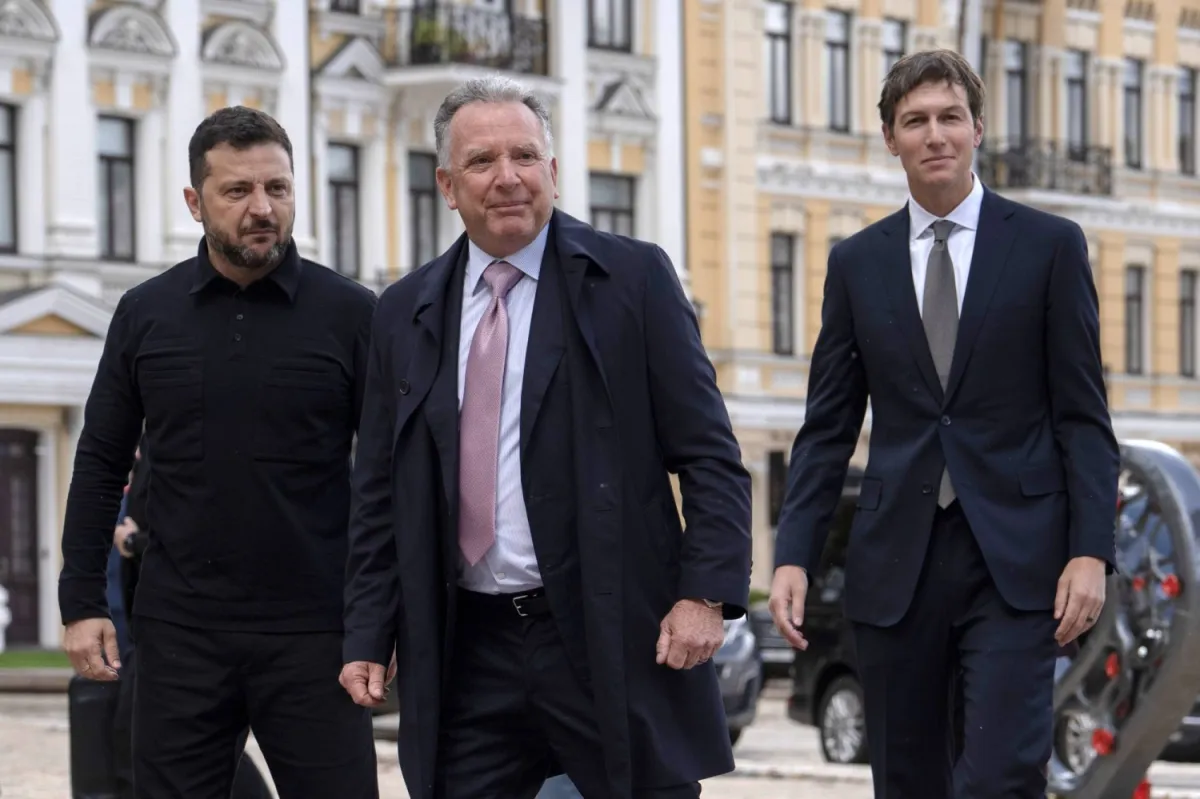
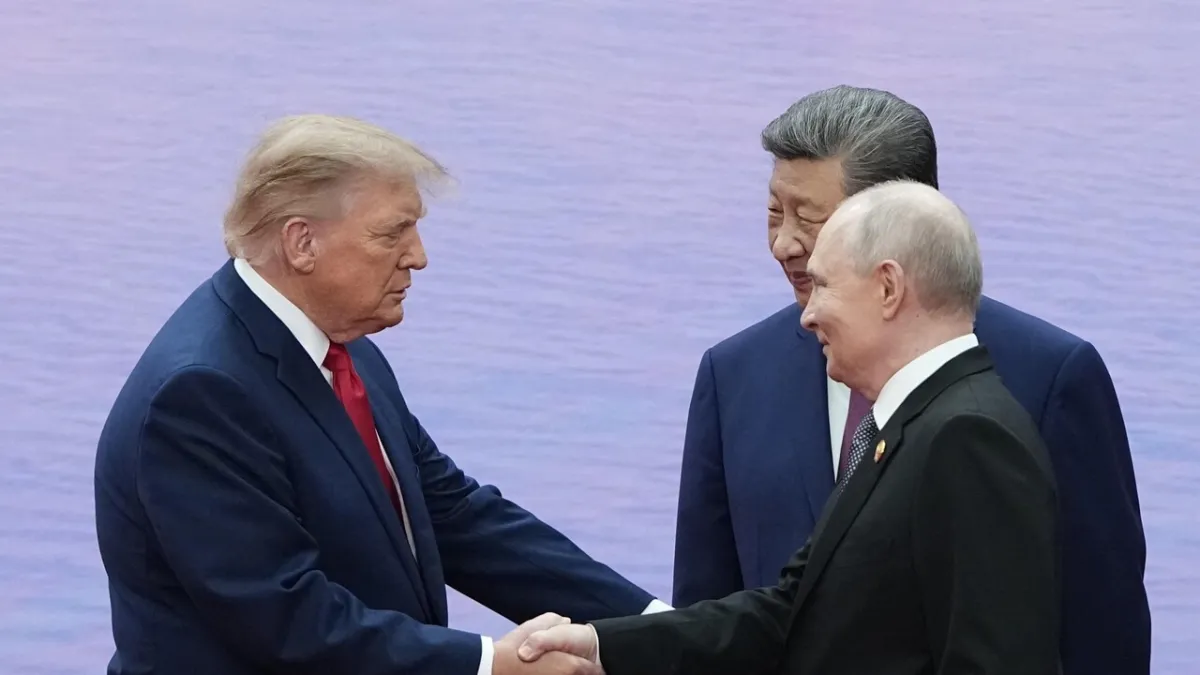
WASHINGTON – Special envoys from U.S. President Donald Trump have abruptly intensified lobbying efforts with Russian and Ukrainian officials. They are pressing a series of new proposals that could drastically reshape Europe's security landscape in 2026. The primary focus includes NATO membership rules, military asset placements, and troop deployments across the continent, a move that places Europe at a strategic crossroads.
This initiative from Washington emerges amid the ongoing stalemate in the Ukraine conflict, which has taken a heavy toll and drained global resources. President Trump's famously pragmatic and at times unpredictable approach is now directing a serious effort to break the deadlock, though it risks creating new uncertainties for European allies.
The proposals put forth by U.S. envoys reportedly involve a reconsideration of NATO membership terms for Ukraine, potential restrictions or relocation of specific military assets, and a re-arrangement of permanent troop deployments in North Atlantic Treaty Organization member states, particularly those directly bordering Russia. Precise details remain opaque, but speculation suggests an attempt to find common ground that could satisfy Moscow's security demands while preserving Kiev's sovereignty.
This sudden move has stirred concern among European leaders. Many view the initiative as a unilateral effort by Washington that risks undermining the hard-won consensus among NATO member states. There is apprehension that U.S. pressure could compel Kiev to accept unfavorable concessions, or conversely, exacerbate relations with Russia if the proposals are outright rejected.
The dilemma facing Europe is now stark. On one hand, there is an urgent need to find a peaceful resolution to the protracted conflict. On the other, there is a reluctance to sacrifice fundamental principles of sovereignty and territorial integrity that have long underpinned their foreign policy. NATO, as a collective defense alliance, is forced to navigate this minefield of diplomacy, striving to maintain unity amidst pressure from its leading ally.
President Trump, who returned to office in 2025, has signaled a more transactional approach to foreign affairs. This push on Ukraine is a manifestation of the 'America First' policy, demanding allies bear a greater share of the burden while seeking swift resolutions to conflicts deemed costly to the U.S. budget and attention.
The implications for Eastern European nations, particularly the Baltic states and Poland, are significant. These countries view NATO troop deployments as vital assurances against potential Russian aggression. The U.S. proposals could spark fears of a weakening of their defenses, further complicating consensus-building efforts within the alliance.
This situation is reminiscent of critical periods in European geopolitical history, where major power interventions could drastically alter the balance of power. The intensive diplomatic meetings, involving Trump's envoys in Berlin and other European capitals, will determine the future direction of the conflict and the regional security architecture.
Nevertheless, some observers hope this maneuver could pave the way for substantive negotiations that have thus far proven elusive. The challenge lies in aligning the vastly differing interests of Washington, Moscow, Kiev, and European nations, while upholding the principles of international law.
Editorial Insight: The Trump administration's aggressive efforts to de-escalate tensions in Ukraine, while potentially accelerating conflict resolution, carry significant risks for European cohesion and NATO's credibility. This approach may compel Europe to fundamentally re-evaluate its strategic reliance on the United States and seek greater autonomy in defense and foreign policy. The success or failure of this initiative will profoundly reshape the post-2025 global geopolitical order.