 Gabriella
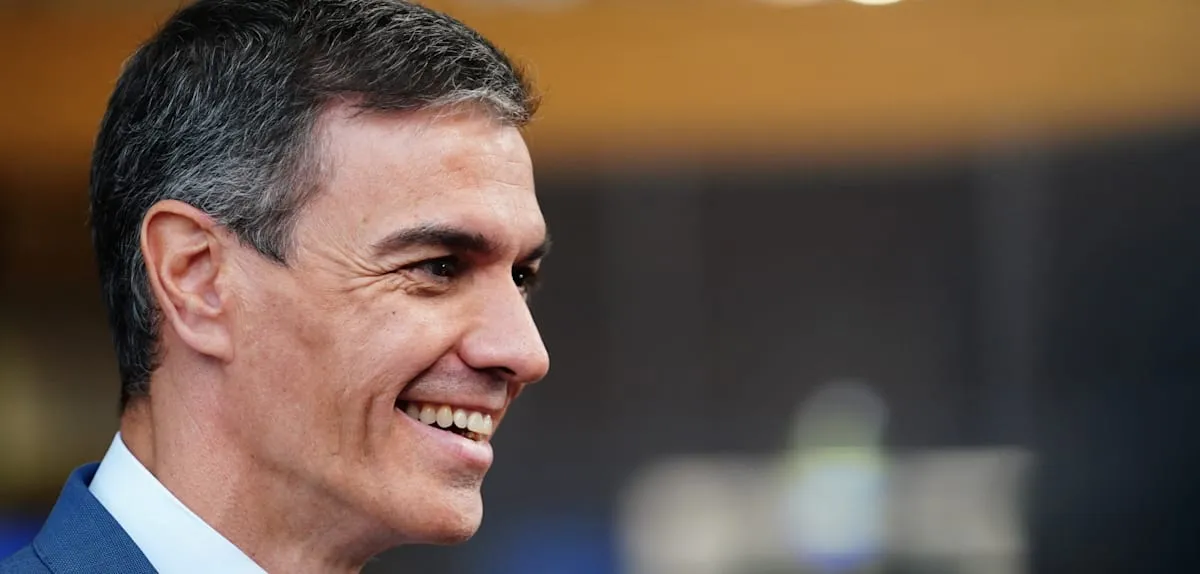
CEUTA — Spanish Prime Minister Pedro Sánchez is facing a wave of sharp criticism from various quarters after being found publishing his chosen "summer soundtrack" on social media. The controversy erupted amidst a deep humanitarian crisis in Ceuta, where thousands of migrants, especially unaccompanied minors, remain stranded awaiting their fate in mid-2026.
Sánchez's move is widely perceived by the public as insensitive and ignoring the urgency of the situation in Spain's North African enclave. While many highlight the slow response to thousands of unidentified and unassigned teenagers and children, the country's top leader appeared to be enjoying leisure time with a personal music selection.
Although thousands of adult migrants have officially been returned to Morocco in recent weeks, thousands of unaccompanied minors remain in Ceuta. They are awaiting decisions about relocation to various regions of Spain or other European Union countries, a process fraught with bureaucratic and humanitarian challenges.
The crisis in Ceuta has fueled diplomatic tensions between Spain and Morocco, as well as fierce debate within the European Union. Some European leaders have expressed concern and called for solidarity, but long-term solutions remain elusive. This situation is compounded by accusations that Spain is blamed for fueling the crisis by some parties.
Sánchez's post, containing a playlist for summer enjoyment, raises serious questions about leadership priorities. Critics argue that a country's leader must demonstrate empathy and full focus on resolving crucial issues, especially when lives and the future of vulnerable children are at stake.
An opposition party spokesperson lamented the Prime Minister's actions. "While thousands of children sleep on the streets of Ceuta, without clear hope, our Prime Minister is busy choosing songs for his vacation. This is a reflection of a failure of empathy and leadership," said a conservative politician who wished to remain anonymous.
The migrant crisis in Ceuta is not just an internal Spanish problem. It is an issue that has repeatedly been highlighted in high-level European Union meetings. Some leaders, such as Meloni, have urged a Ceuta Summit to discuss more coordinated handling, while Sanchez himself once accused Europe of ignoring the tragedy.
Local human rights organizations in Ceuta have repeatedly urged the Spanish government and the European Union to expedite the identification and placement process for migrant children. They emphasize the risks of exploitation and psychological trauma faced by this vulnerable group during uncertain waiting periods.
In a broader context, the Ceuta crisis also reignites the debate over overall European Union migration policies. Tensions among member states regarding burden-sharing and responsibility for managing migrants are increasingly evident. Europe is divided in its response to this situation, with some advocating solidarity while others demand stricter border controls.
The Spanish public is divided in its reaction to the incident. Some defend Sánchez, arguing that a leader also has the right to personal life and entertainment, but the majority express disappointment. They hope the Prime Minister will focus more on resolving the tangible crisis before their eyes.
In the past, Sánchez has been known to use social media for various announcements or personal activities. However, the timing and substance of this particular post are deemed highly inappropriate, given the scale and sensitivity of the issues his country is facing.
Now, the hot potato of handling thousands of migrant children in Ceuta is back in the hands of the Spanish government and EU institutions. Calls for concrete solutions are growing louder, far outweighing the summer playlist that has sparked this ethical debate. Whether Sánchez will respond to this criticism with real action or remain silent is a big question that the public and international community await an answer to.