 Demian Sahputra
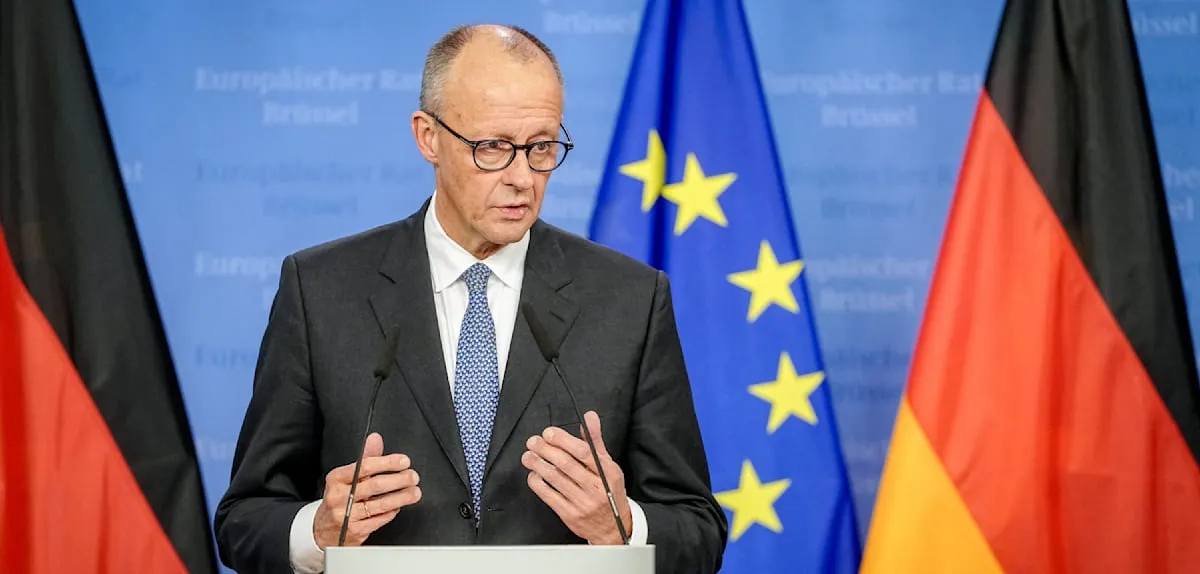
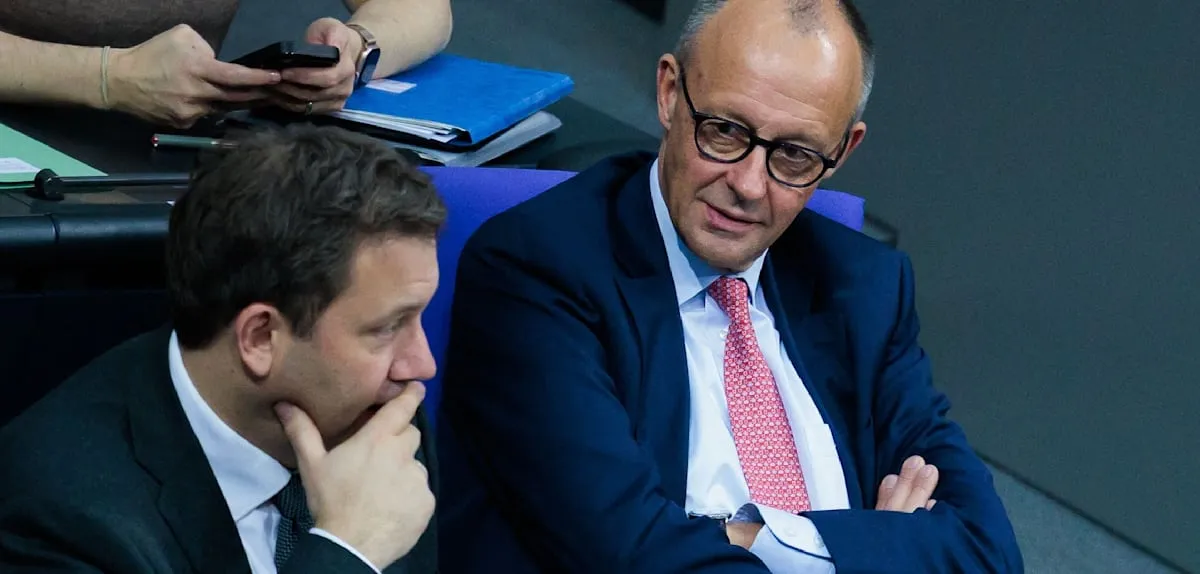
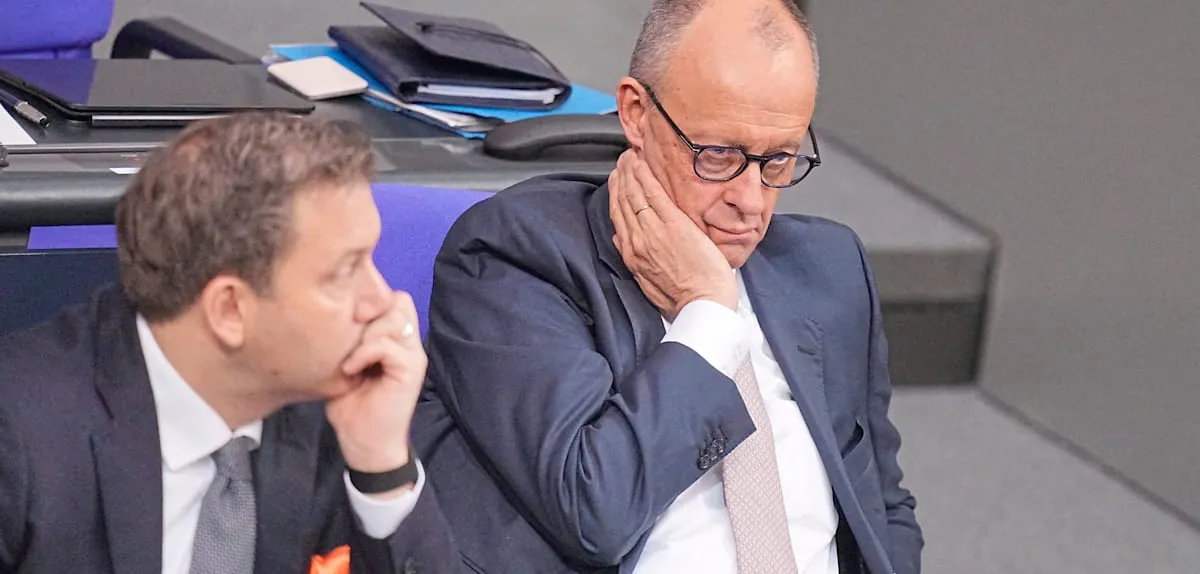
BRUSSELS – European Union leaders prematurely concluded a budget summit in Brussels in 2026, following a significant deadlock in discussions over a nearly 1.8 trillion euro financial package. German Chancellor Friedrich Merz announced the decision, asserting that the differences in views among member states remain too wide, particularly regarding Germany's demands for contribution discounts.
The summit, which was expected to be a pivotal moment for establishing the EU's budgetary framework for the coming years, ended without any meaningful agreement. Intensive discussions spanning hours failed to bridge the gap between major contributor nations and beneficiaries, especially concerning fund allocation and payment mechanisms.
The primary cause of this stalemate was the refusal of several countries, particularly Germany, to approve the budget without special 'rebates' or discounts. Chancellor Merz firmly articulated his country's position, emphasizing the importance of relief for Germany as one of the largest contributors to the EU's coffers.
Our views are still very far apart, and reaching a compromise at this point feels impossible, said Chancellor Merz in a post-summit press conference. He added that diplomatic efforts would continue, with the hope that an agreement could be reached before the end of this year.
The 1.8 trillion euro budget package is designed to fund various crucial programs, ranging from agriculture, research, infrastructure, to green and digital transitions across all 27 EU member states. Failure to reach a consensus could hinder the implementation of vital planned policies.
Disputes over the budget are not a new phenomenon in the history of the European Union. Each new budget period is often marked by tough negotiations and fierce debates among member states with diverse financial and strategic interests.
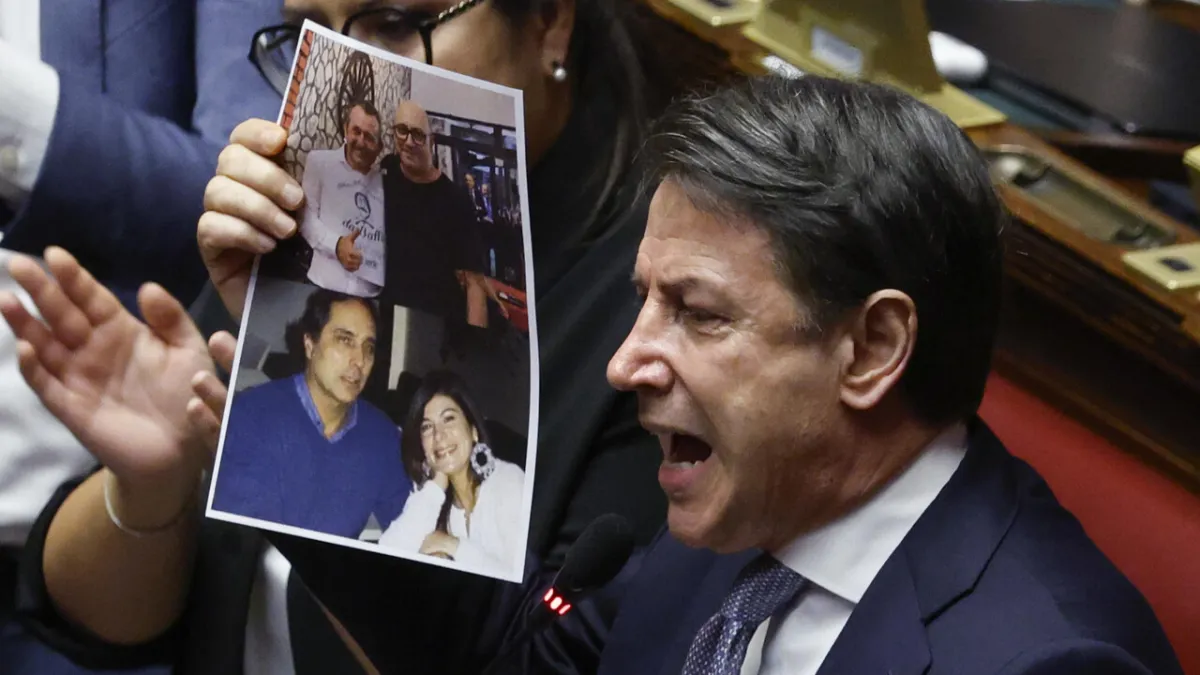
The threat of a budget deadlock was also raised in other issues, such as when Italian Prime Minister Giorgia Meloni urged peace in the Mediterranean, with the EU budget also under scrutiny in the same year. This highlights how central the budget issue is to the political dynamics of the European Union.
Global economic analysts point out that budgetary uncertainty could send negative signals to the market, especially as the European economy still faces challenges such as inflation and slowing growth. The EU's fiscal stability is crucial for maintaining investor confidence.
Further negotiations are expected to focus more sharply on points of contention, with member state leaders likely to launch a series of informal bilateral and multilateral meetings to find common ground. Pressure to reach an agreement by the end of 2026 will intensify.
Time is of the essence for EU leaders. Further delays in budget approval could create administrative and operational uncertainty for EU institutions and member states that rely on these funds for their vital projects.
Editorial Insight: This latest EU budget summit deadlock underscores the complexity of internal political dynamics and conflicting national interests. Demands for discounts by large contributing nations like Germany, while understandable from a taxpayer's perspective, could exacerbate cracks in EU solidarity. Achieving a fair and sustainable consensus requires strong leadership and a long-term vision for the future of European integration, without compromising agreed economic and social projections.