 Edward DP Situmorang
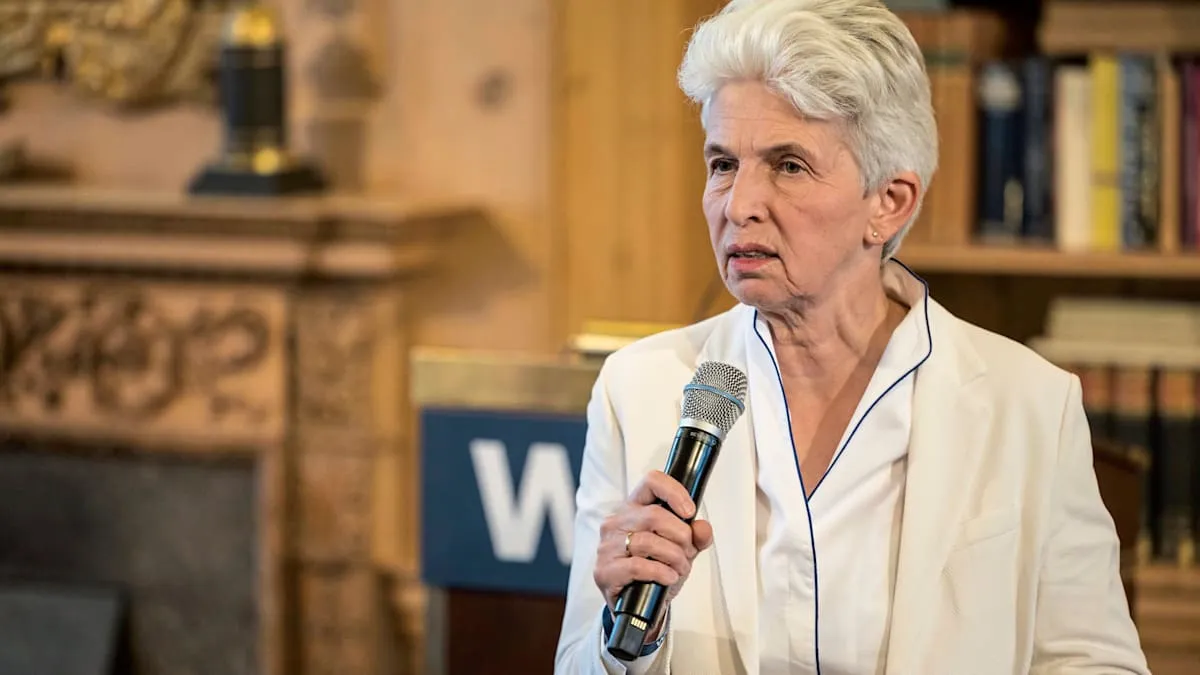
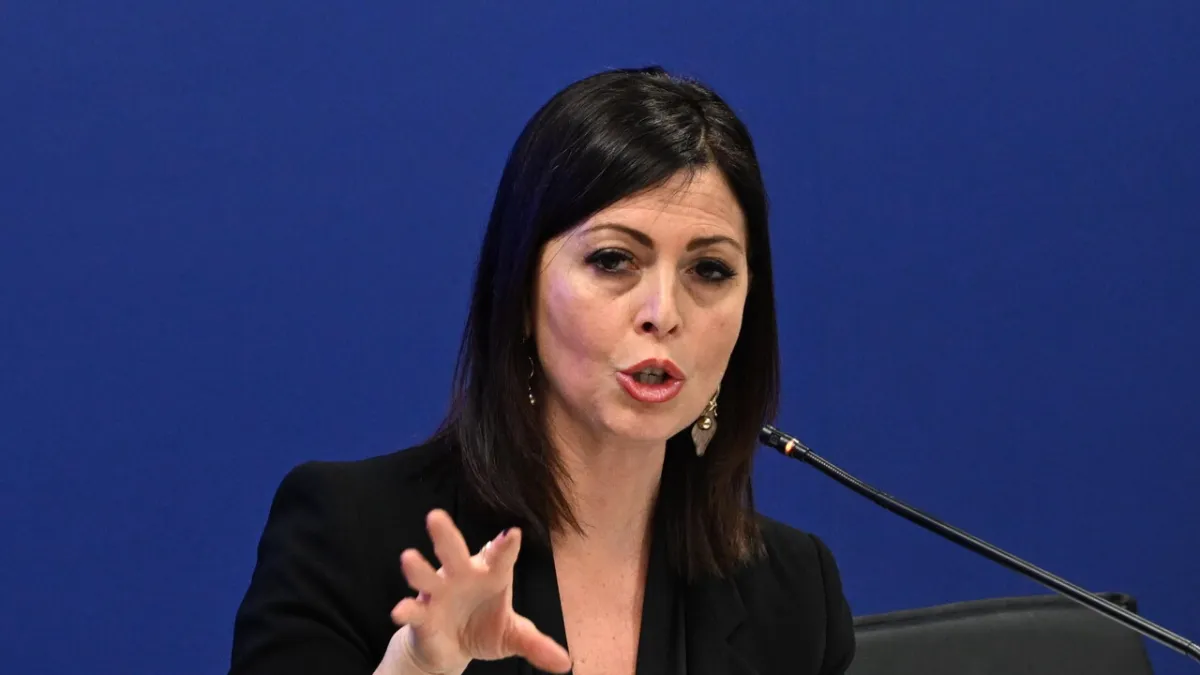
BRUSSELS — Marie-Agnes Strack-Zimmermann, Head of the German Bundestag's Defense Committee from the FDP Party, urged European nations to significantly increase military aid to Ukraine, especially in air defense systems and weapons production. This call comes amid confidence that the collective strategy against Russian aggression in 2026 is beginning to show results, as stated in a comprehensive declaration from Brussels headquarters.
In her statement, Strack-Zimmermann emphatically called, “We should all deliver what we can, so that Ukraine can protect itself now.” The emphasis on “now” indicates the urgency of the situation, where timely and adequate support is considered crucial to maintain momentum and protect civilian lives.
Strack-Zimmermann's comments highlight a shift in the dynamics of the protracted conflict that has dominated Europe's geopolitical landscape. After years of confrontation, Western nations, particularly EU and NATO members, continue to seek the most effective ways to weaken Russia's military capabilities while strengthening Ukraine's defense without triggering a broader escalation.
The focus on air defense and weapons production reflects Ukraine's most pressing tactical needs. Relentless Russian missile and drone attacks have hit civilian and military infrastructure, making modern air defense systems a top priority. Furthermore, Europe's domestic weapons production capacity is vital for ensuring a sustainable supply.
Military analysts note that the Western strategy, which includes economic sanctions, military aid, and diplomatic isolation of Russia, has indeed exerted significant pressure. However, this success depends on the consistency and escalation of support, especially as the battlefield continues to evolve and demands for advanced defense technology increase.
BERLIN — Germany, as one of the largest contributors of aid, has shown strong commitment. A number of initiatives, including the delivery of advanced defense technology and military training, have been realized. Some reports even indicate that Germany is sending tens of thousands of AI drones with speeds of 500 km/h to Ukraine, strengthening their reconnaissance and precision attack capabilities.
Moreover, the formation of a European ballistic missile coalition offers new hope for Ukraine to acquire a stronger “sky shield.” This is a collective step demonstrating Europe's seriousness in building a more resilient defense architecture, not only for Ukraine but also for overall regional security.
However, despite this optimism, challenges still loom. Military alliances such as the increasingly strong China-Russia axis raise concerns about a shift in the global balance of power. Pope Francis has even warned of 'winds of war' once again threatening the world in 2026, underlining the fragility of global peace.
Strack-Zimmermann's statement is a collective call to EU member states not to become complacent. Strategic victory is measured not only by military success on the front lines but also by logistical and industrial capacity to sustain support in the long term.
Debates on increasing defense budgets and cross-border coordination among member states remain a primary agenda in various European forums. The integration of military capabilities and fair burden-sharing are key to ensuring the sustainability of this proven effective strategy.
Ukraine, with all the challenges it faces, continues to show remarkable resilience. Relentless attacks, such as those in Odessa which was again attacked by drones, affirm that the need for air defense and precision weapons is most crucial. European support is the foundation for Ukraine's ability to survive and, ultimately, regain its sovereignty.
In Strack-Zimmermann's view, the current momentum must be fully utilized. The confidence that “the strategy against Russia works” does not mean victory has been achieved, but rather that collective efforts have yielded promising results, and now is the time to redouble these efforts to achieve lasting peace in Europe.