 Gabriella
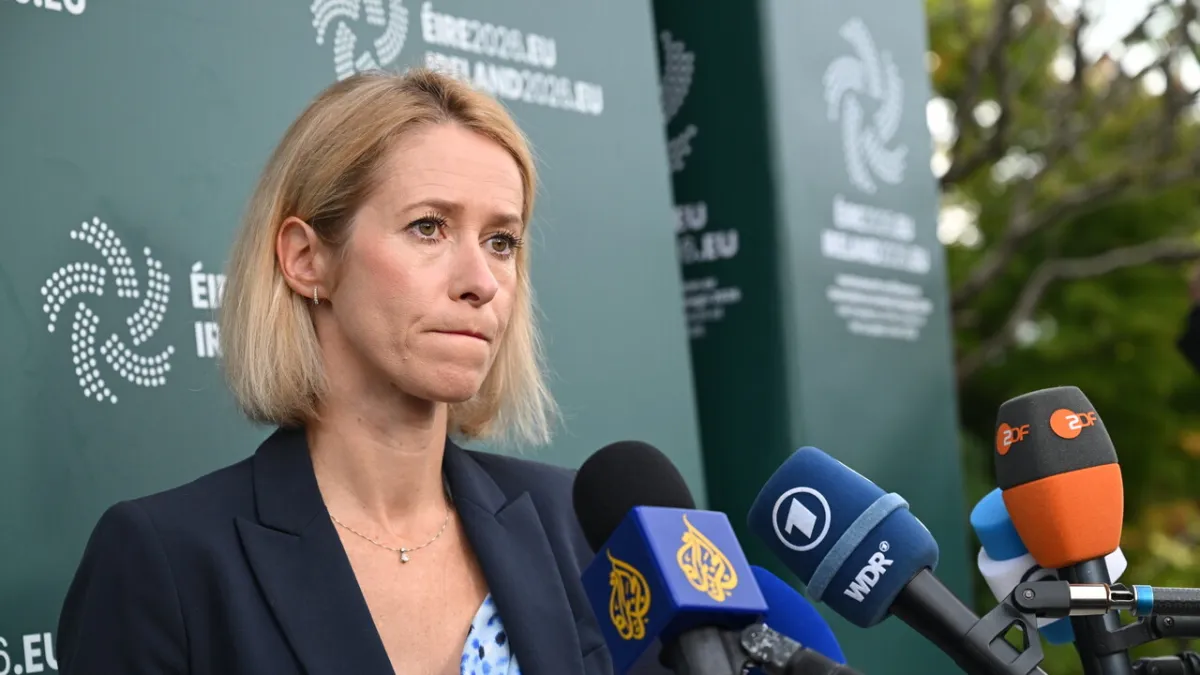
BRUSSELS – Stern warnings from European leaders are resounding loudly following the escalation of hybrid attacks attributed to Russia. Estonia's Kaja Kallas affirmed the incidents as a wake-up call for the entire continent, while Italian Foreign Minister Antonio Tajani hinted at a serious evaluation of using Russian assets, albeit with profound legal considerations. The urgency of this response emerges after a series of destabilizing events, including an alleged attack in Leipzig.
Kallas, one of the most vocal figures in the European Union, emphasized the need for collective vigilance. She highlighted that Russia's destabilizing tactics encompass various dimensions, from cyber to information manipulation, designed to erode European unity and resilience. These statements come amid escalating geopolitical tensions in 2026, exacerbating fears of a broader conflict.
Minister Tajani, who previously also uncovered Russian intervention threats in Italy's 2026 elections, underscored the complexity of handling frozen Russian assets. Tajani stated they are evaluating the potential use of these assets, but significant jurisdictional issues exist. This discussion signals a radical shift in European policy, considering more aggressive economic measures in response to Kremlin aggression.
The events in Leipzig served as a key catalyst for calls for a firmer response. The European Union's High Representative for Foreign Affairs and Security Policy confirmed that the Russian Ambassador has been summoned in Brussels, a similar step also taken by several other European capitals. This incident, allegedly involving drones and sabotage, is explicitly linked to Russia's attempts to provoke and test Europe's defense limits.
Germany's reaction to the Leipzig incident has been severe. The German government, having harshly condemned Russia, even accused Berlin of orchestrating the drone attacks. These accusations further solidify the view that relations between Europe and Russia have entered a phase of open confrontation, rather than strategic competition.
In the context of supporting Ukraine, Roderich Wadephul, a prominent German politician, called for EU member states with missile interceptor capabilities to immediately consider providing them to Kyiv. Wadephul emphasized that many EU countries possess interceptor systems that could be transferred to Ukraine and that serious discussions on this matter must take place.
This call underscores the ongoing debate in Brussels regarding the extent to which the European Union can increase military aid to Ukraine, especially in the face of continuous drone attack threats. These discussions include the potential transfer of crucial technology and air defense systems for Kyiv to protect its airspace, as desired by Ukrainian President Volodymyr Zelenskyy.
Hybrid attacks, a concept encompassing a broad spectrum from disinformation and cyberattacks to political interference, have become a central threat to European security. This modus operandi is designed to create chaos and divide public opinion without directly triggering conventional warfare, yet its impact can be equally destructive.
Europe's response to these threats is expected to become more coordinated. The European Union will likely strengthen its cyber defense capabilities, enhance intelligence cooperation, and develop more effective communication strategies to counter false narratives. Discussions on additional sanctions or economic retaliation measures are also high on the agenda.
This escalation of tensions demands unity and firmness from all EU members. With 2026 proving to be a challenging year, Europe's ability to unite and confront external aggression will be a crucial test for the continent's future security and stability.
Editorial Insight: The Leipzig incident and the statements from Kallas and Tajani confirm a paradigm shift in Europe. The response to Russian hybrid threats is no longer mere rhetoric but has entered a phase of concrete action, including a potential review of the status of Russian assets. The legal and political challenges in this process are indeed significant, but the insistence on acting demonstrates that the European Union is willing to bear the risks to safeguard its sovereignty and regional security. This step could also set a precedent for international responses to non-traditional aggression.