 Debby Wijaya
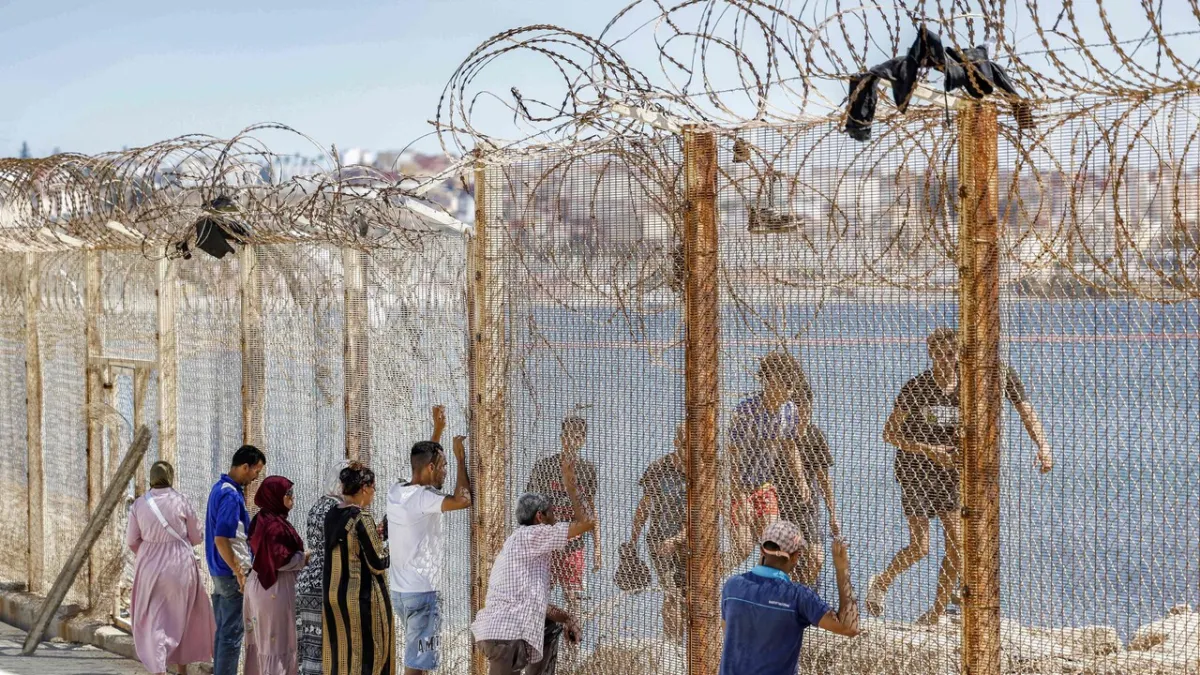
BRUSSELS – The European Border and Coast Guard Agency, Frontex, has reported a significant decrease in irregular migrant entries into the European Union. Recent data indicates a 37 percent decline in undocumented arrivals during the first seven months of 2026, signalling the potential effectiveness of stricter border policies.
This sharp drop marks a notable shift in migration patterns compared to previous years. The total number of individuals detected irregularly crossing borders has substantially decreased, though the dynamics across individual routes remain varied and challenging.
Frontex's report specifically highlights the Central Mediterranean route, which experienced the most drastic decline, reaching 55 percent. This route, known as one of the deadliest and busiest paths to Europe, now shows a different trend, likely due to increased patrols and cooperation with origin and transit countries.
Conversely, the Western Mediterranean route registered a 37 percent increase in entries. This shift indicates that migrants and human traffickers continue to seek loopholes and alternative routes as other areas tighten, demonstrating the complex challenges facing the European Union.
It is important to note that the data released by Frontex does not include the territory of Ceuta, a Spanish exclave in North Africa. This exclusion could affect the overall picture, given that Ceuta often serves as a significant entry point for migrants from Africa.
A Frontex spokesperson, who requested anonymity, stated, 'These figures indicate that the collective efforts of member states and European institutions are beginning to yield results. However, we must remain vigilant and adaptive, as smuggling networks continue to develop new tactics.'
This decline in irregular migration aligns with calls from various EU leaders to strengthen the bloc's external borders. Italian Prime Minister Giorgia Meloni, for instance, has repeatedly urged Europe to be more assertive in managing borders and migration, linking the issue to economic stability and regional security.
The implementation of policies such as increased maritime surveillance, investment in advanced detection technology, and diplomatic cooperation with non-EU countries is believed to be a key factor behind this downward trend. Repatriation programs and information campaigns in countries of origin also play a crucial role.
Nevertheless, humanitarian organizations express concern that stricter borders may push migrants towards more perilous routes, increasing the risk of death or exploitation. The ethical challenge of balancing border security with human rights remains a fierce debate across the European Union.
Political analysts anticipate that these figures will provide strong ammunition for conservative and anti-immigration parties in Europe ahead of upcoming elections. They will use it as evidence of the effectiveness of a hardline approach, while others will call for a more comprehensive and humane strategy.
Editorial Insight: The sharp decrease in irregular arrivals to the European Union during the first seven months of 2026 certainly appears as a victory for stricter border policies. However, this significant change also raises fundamental questions about its sustainability and long-term impact. Is this truly a solution, or merely a shift of the problem to other, more dangerous routes? The domino effect of increased activity in the Western Mediterranean highlights the complexity of this issue. The EU needs to focus not just on closing entry points, but also on addressing the root causes of migration, such as conflict, poverty, and climate change, to achieve a holistic and sustainable solution. Without a balanced approach that considers the humanitarian dimension, this downward trend might only be temporary or even create new crises elsewhere.