 Dodi Irawan
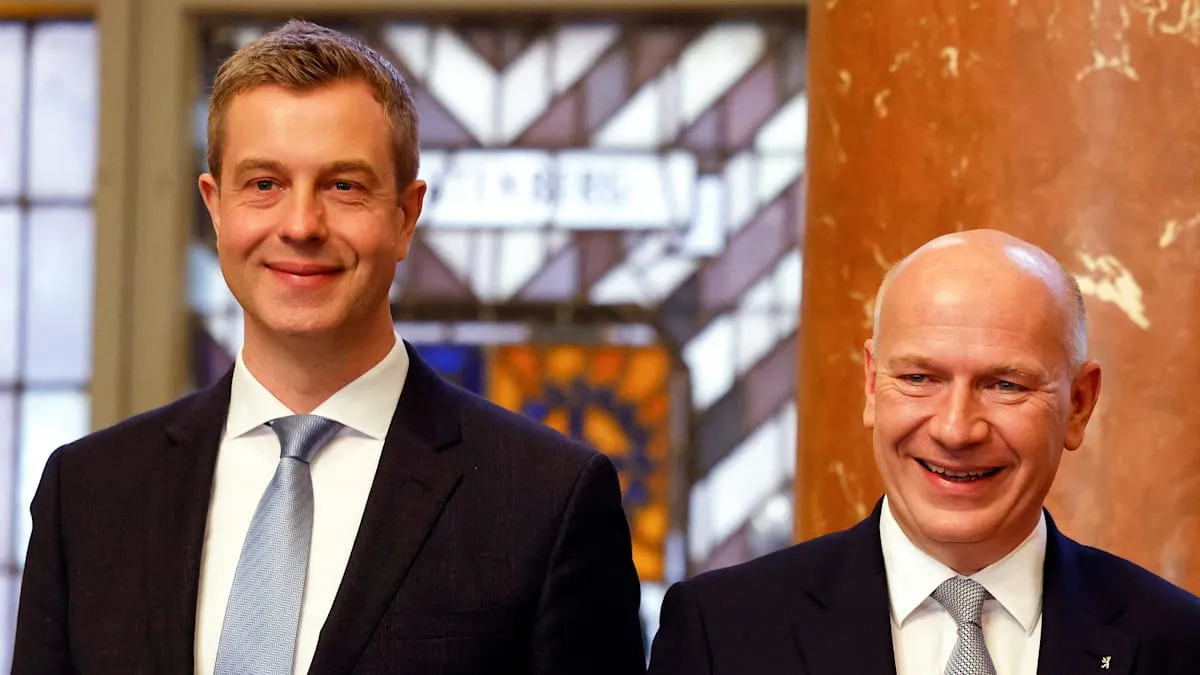
BERLIN — Frank Evers has officially taken over the leadership of the Christian Democratic Union (CDU) party in Berlin, following Kai Wegner's resignation from the strategic position. This event unfolds amidst the political turmoil in the German capital in 2026, sparking speculation about the new direction of the CDU ahead of upcoming elections.
Evers' appointment decision came after Wegner stepped down due to a credibility crisis, particularly concerning the handling of Berlin's electricity crisis that shattered his ambitions. Wegner's resignation left a leadership vacuum that needed immediate filling to maintain party stability and public trust.
Stefan Peter, an experienced editor from BZ-Redakteur, highlighted Evers' profile within the party. According to Peter, Evers possesses "very high esteem" and a solid reputation among CDU Berlin members. This assessment indicates that Evers is a strategic choice to restore the party's image and morale.
Evers' elevation is expected to re-energize CDU cadres and sympathizers whose morale had somewhat declined. With strong internal support, he aims to return the CDU to the forefront of Berlin's political scene, after previously experiencing significant setbacks.
This move is not without its challenges. Evers must confront high expectations to promptly address fundamental issues in Berlin, including economic, social, and infrastructure concerns that are key areas of public scrutiny. The party's credibility among constituents will heavily rely on the effectiveness of his leadership.
In recent years, CDU Berlin has faced significant fluctuations in support. Wegner's resignation was a severe blow, but it also opened an opportunity for internal restructuring and reform. Evers is tasked with the demanding job of uniting party factions and formulating a cohesive strategy.
Political analysts predict that Evers' success will largely be determined by his ability to build consensus and deliver concrete solutions. Berlin's citizens await promises relevant to their daily lives, not merely political rhetoric.
The CDU, with its long history as one of Germany's primary political forces, now stands at a crossroads. This period of Evers' leadership will be a crucial test of whether the conservative party can adapt to modern political dynamics and win back the hearts of voters.
Evers himself is believed to have a clear vision for Berlin. Internal sources suggest he will prioritize dialogue with various segments of society and strengthen programs that directly address citizens' needs.
Germany's political dynamics in 2026 are indeed turbulent. Besides the leadership change in Berlin, national issues such as Germany's economy on the brink and the growing trust gap between politicians and citizens also form a complex backdrop.
Thus, Frank Evers' appointment is not merely a change of figure but a significant gamble for the future of CDU Berlin. All eyes are now on him, awaiting the strategies and concrete steps he will take to restore the party's glory and build a better Berlin in 2026 and beyond.