 Angel Doris
PARIS – Three false bomb alerts rocked several educational institutions across France on Thursday morning 2026, triggering emergency evacuations and tension in three distinct regions. The French Ministry of National Education confirmed the incidents but did not specify the names of the affected schools, leaving thousands of students and staff in uncertainty. This event once again highlights the vulnerability of public facilities to disruptive hoaxes that undermine social stability.
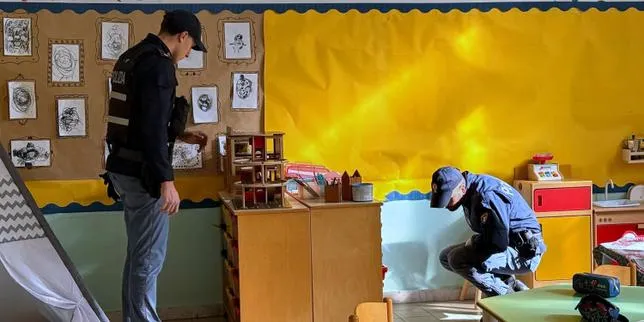
Local media reports identified Marseille, the Jura region, and Aisne as the locations where these threats occurred. In each location, emergency procedures were immediately activated, involving police forces and bomb disposal teams who rushed to the sites to conduct thorough sweeps. These incidents unfolded amidst heightened national vigilance against all forms of security threats.
The false alerts caused significant disruption to teaching and learning activities. Students and teachers were evacuated from their school buildings as part of strict security protocols. Concerns were clearly visible on the faces of parents who flocked to pick up their children, even though the threats ultimately proved to be unfounded.
The Ministry of National Education stated it would work closely with law enforcement authorities to identify and take firm action against those responsible for spreading these hoaxes. Such actions, though false, consume vital public resources and create unnecessary fear in educational environments.
False bomb alerts are not new in France. The country has a long history of facing security threats, both real and fabricated, especially after a series of terrorist attacks. Therefore, every threat, no matter how minor, must be treated with maximum seriousness.
Local police immediately launched extensive investigations to trace the source of the threats. The investigation focused on the digital footprints and communications used by the perpetrators. Authorities emphasized that spreading false threats is a serious legal offense that can lead to severe penalties.
Educational security experts voiced deep concern. They argue that repeated incidents of this nature can erode the sense of security in schools and affect the psychological well-being of the educational community. Therefore, rapid response and strict law enforcement are crucial to prevent similar occurrences.
The French government, through a spokesperson for the Ministry of Interior, affirmed its commitment to maintaining the security of educational institutions. They called on the public, especially parents and students, to remain calm but vigilant, and to immediately report any suspicious information to the authorities.
This Thursday morning's incidents serve as a bitter reminder that school security is a shared responsibility. The active role of the community in reporting suspicious activities, combined with effective emergency response systems, is key to protecting learning environments from irresponsible disruptions and threats.
Editorial Insight: The recurrence of false bomb alerts in French schools in 2026 underscores the ongoing challenges in maintaining public safety in the digital age. Hoax threats, though not real, are effective in holding societal calm hostage and burdening security forces with futile investigations. This demands not only a rapid response from authorities but also more comprehensive prevention strategies, including public education and uncompromising law enforcement against those who spread fear. The loss of student learning time and the psychological stress inflicted are serious impacts that must not be underestimated.