 Edward DP Situmorang
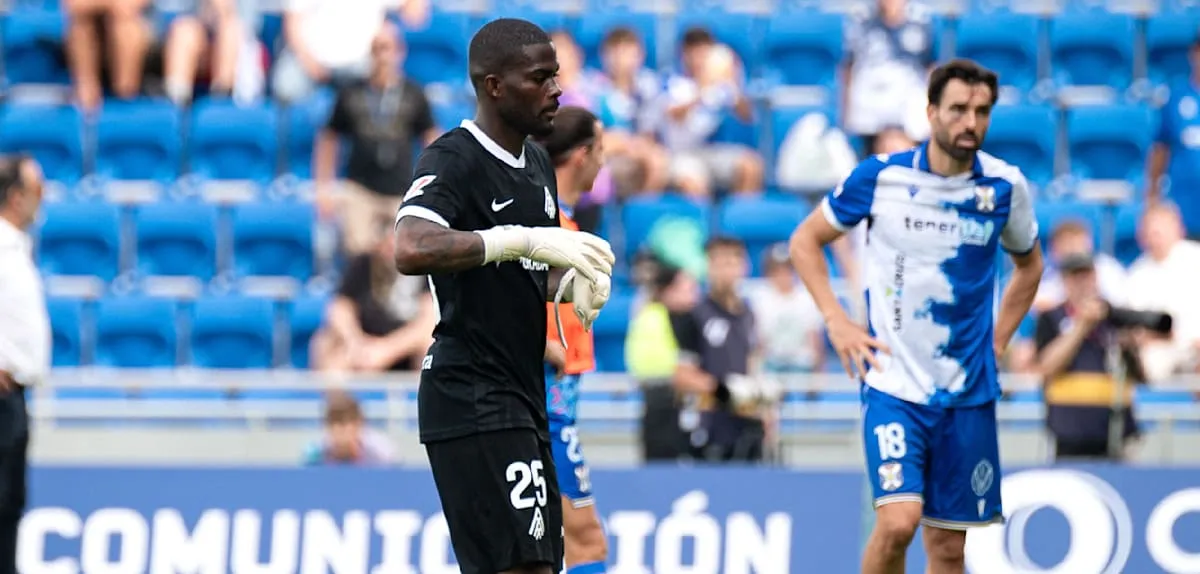
MADRID – The Spanish football world was stunned by a heartbreaking tragedy following a fatal on-field incident that claimed the life of footballer Jesus de Miguel. The recent incident involved a severe collision with opposing goalkeeper Jesus Owono, leaving the keeper in a deeply shaken mental state and facing an uncertain future regarding his return to the team.
This unfortunate event stemmed from a fierce challenge for the ball that resulted in an unavoidable collision between Jesus de Miguel and Jesus Owono. While specific details of the impact are still under investigation, the consequences proved fatal for de Miguel, who was pronounced deceased shortly after the incident.
Jesus Owono's coach expressed profound concern over his goalkeeper's mental state. He is deeply affected, said the coach, describing how profoundly Owono has been impacted by this unexpected tragedy.
The death of a player on the field is one of the worst calamities that can befall sports, leaving deep wounds for the family, teammates, and the entire football community. This tragedy is not just about the loss of a talented athlete, but also about the immeasurable psychological impact on those directly involved.
Owono, as an unintentional participant, now faces an immense emotional burden. The coach affirmed that the club's top priority is the mental health of its goalkeeper. The timing of Owono's return to the team remains uncertain, he added, indicating that the psychological recovery process requires substantial attention and time.
In recent days, an outpouring of moral support has come from various parties for de Miguel's family and for Jesus Owono. Players and coaches from other clubs have also extended their condolences, highlighting the solidarity within the football community when facing such unforeseen incidents.
Incidents of this nature reignite debates concerning player safety and emergency medical protocols on the field. The Spanish Football Federation will likely review safety standards to prevent the recurrence of similar events in the future.
This tragedy serves as a poignant reminder to all parties of the inherent risks in competitive sports, despite maximum efforts to ensure athlete safety. Every match carries the potential for incidents, and post-incident management becomes crucial, both from medical and psychological aspects.
Such emotional impacts have also been observed in other sports cases, where athletes must cope with unexpected consequences of on-field actions. For instance, debates about player roles in major matches, as seen in the preparations for The Mystery of Dupont's Role at Flyhalf: France Challenges South Africa in a Fierce Match, illustrate the intensity and pressure athletes endure.
It is imperative for the club to provide comprehensive psychological support for Owono, not just as a player but also as an individual experiencing trauma. Recovery from such an incident requires a multidisciplinary approach involving sports psychologists and mental health professionals.
A long journey awaits Jesus Owono to return to his best performance, both physically and mentally. Solidarity and empathy from all elements of football will be key in helping him navigate this difficult period.
Editorial Insight: A tragedy on the field that claims an athlete's life is a stark reminder of life's fragility and the extreme pressures faced by athletes. Jesus Owono's case highlights the critical importance of robust mental health support in professional sports. This incident has the potential to trigger a deep evaluation of safety standards and the psychological well-being of players across all leagues, compelling federations and clubs to be more proactive in protecting their most valuable assets: the athletes.