 Demian Sahputra
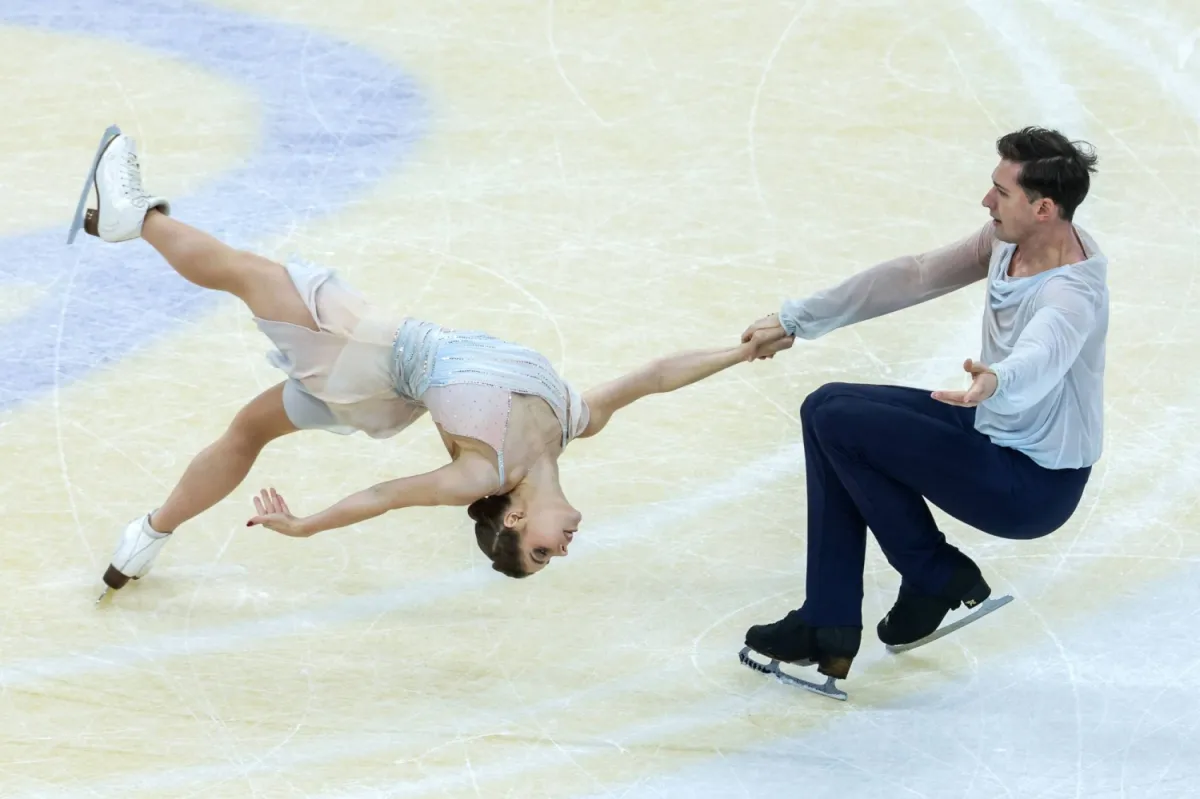
HELSINKI – The international sports arena is once again facing geopolitical tensions after Finland officially denied entry to several Russian skaters who were slated to compete in a Grand Prix event. This resolute decision, effective since Monday earlier this week, stems from a new Schengen visa policy that substantially restricts access for Russian citizens to Finnish territory.
The tightened immigration policy explicitly states that Russian citizens with Schengen visas are now only permitted to enter Finland if their work is deemed essential to the country's national interests. This rule directly affects sports delegations, who, despite being professional athletes, do not meet the established criteria of national interest.
The Finnish Ice Sports Association, as the Grand Prix organizer, expressed its disappointment. They had attempted to bridge communication with immigration authorities, but without success. This situation creates a difficult precedent for organizing international sporting events amidst an increasingly complex political landscape.
A spokesperson from the Russian Skating Federation, who requested anonymity, voiced profound frustration. The athletes have trained hard for months. They are individuals, not direct representations of government policy. Why should they bear the burden of political decisions? he stated. This reflects the long-standing debate about separating sports from politics.
This denial is not an isolated case. Since the escalation of conflict in Eastern Europe, many countries on the European continent have imposed travel restrictions and sanctions against Russia. Finland, with its long direct border, is one of the most vocal in implementing such policies, especially after joining NATO in 2023.
Geopolitical observers view Finland's move as a strong signal that Helsinki will not compromise on national security and sovereignty issues. This policy reaffirms Finland's priority on domestic interests amidst heating regional dynamics.
The implications of this policy are far-reaching. It affects not only athletes but also other sectors that may have ties to Russian citizens. Companies employing Russian workers or having business relations with Russia must now review their operations.
This phenomenon has also fueled a global debate on ethics and humanity amidst conflict. Even figures like Elon Musk have called for empathy for Russian soldiers amid waves of negative sentiment, emphasizing that behind uniforms are individuals affected.
This case highlights the dilemma faced by international sports organizations. Should they remain neutral and accept athletes from any country, or do they have a moral responsibility to comply with sanctions and host country policies based on political considerations?
Global sports federations, including the International Olympic Committee (IOC), continue to grapple with how to navigate this delicate situation. Pressure from national governments often clashes with the universal principles of sport that should unite nations regardless of political background.
The Grand Prix Skating, which should have been a stage for the world's best athletes to showcase their skills, has now become a casualty of geopolitical dynamics. The absence of Russian skaters not only reduces the level of competition but also deprives them of the opportunity to earn important points towards global championships.
Observers hope for a diplomatic solution that can separate the sports arena from the political battlefield. However, with the global situation remaining highly uncertain in 2026, such hopes appear to be a distant reality.
Editorial Insight: Finland's decision is not merely a routine visa denial but a tangible manifestation of a more aggressive foreign and security policy shift following its NATO integration. This move, while controversial in the sports world, reflects Helsinki's strategic calculation to send a firm message to Moscow. Its long-term impact could trigger further fragmentation within the international sports ecosystem, where athlete participation will increasingly be conditioned by their home country's political affiliations. This will also force sports organizations to take more definitive stances, potentially dividing the global sports community.