 Stefani Rindus
BERLIN — The German government, through the Berlin Cabinet, has approved a second relief package worth 600 million Euros, approximately 10 trillion Indonesian Rupiah, in 2026. This strategic policy aims to ease bureaucratic burdens and provide economic stimulus to citizens, especially electric vehicle buyers and those seeking employment, to drive post-pandemic recovery and national economic stability.
This move is part of Chancellor Olaf Scholz's ongoing efforts to streamline regulations and enhance public administrative efficiency. This second package complements a series of previous initiatives focused on adapting Germany's economy to global challenges and domestic needs.
The allocation of 600 million Euros is not merely a figure but represents the government's strong commitment to public welfare. The funds will be disbursed through various mechanisms, ensuring their direct impact on segments of society in need.
At the core of this package is a comprehensive bureaucracy reduction program. The government has identified several regulations deemed to hinder citizen and business initiatives, aiming to cut convoluted procedures and accelerate public services.
One of the main focuses of this aid is incentives for electric vehicle buyers. The government hopes to accelerate the transition towards sustainable mobility by simplifying subsidy claim processes and reducing administrative requirements that have previously been burdensome. This aligns with the European Union's green agenda for achieving carbon neutrality.
Furthermore, the unemployed are also a priority in this package. Proposed measures include simplifying access to unemployment benefits, vocational training programs, and job search facilitation to help them return to productivity in the labor market more quickly.
German Economy Minister Robert Habeck emphasized that these reforms are crucial for maintaining Germany's competitiveness. He stated, "We are not just reducing burdens, but also opening new opportunities for innovation and economic growth. This is an investment in Germany's future."
The domino effect of bureaucracy reduction is expected to ripple across various sectors. Small and medium-sized enterprises (SMEs) will experience easier regulatory compliance, which in turn can stimulate new investments and job creation.
However, some critics question whether 600 million Euros is sufficient to address deep-rooted bureaucratic complexities and broader economic challenges. Nevertheless, the government is optimistic that this step is a significant beginning.
The latest report from the Bundesbank in early 2026 indicates persistent inflationary pressures, despite a generally stable global economic trend. This relief package is expected to bolster public purchasing power amidst these conditions.
Political and economic analysts also highlight the relevance of this policy in the context of Germany's upcoming elections. The government's ability to provide concrete solutions to citizens' problems will be an important barometer for political legitimacy.
Similar steps to ease citizens' financial burdens have been a hot topic. Our previous article, Millions of German Families at Risk of Financial Disaster, Minimal Protection When Crucial, highlighted the economic vulnerability faced by many households. This package is expected to be a concrete answer.
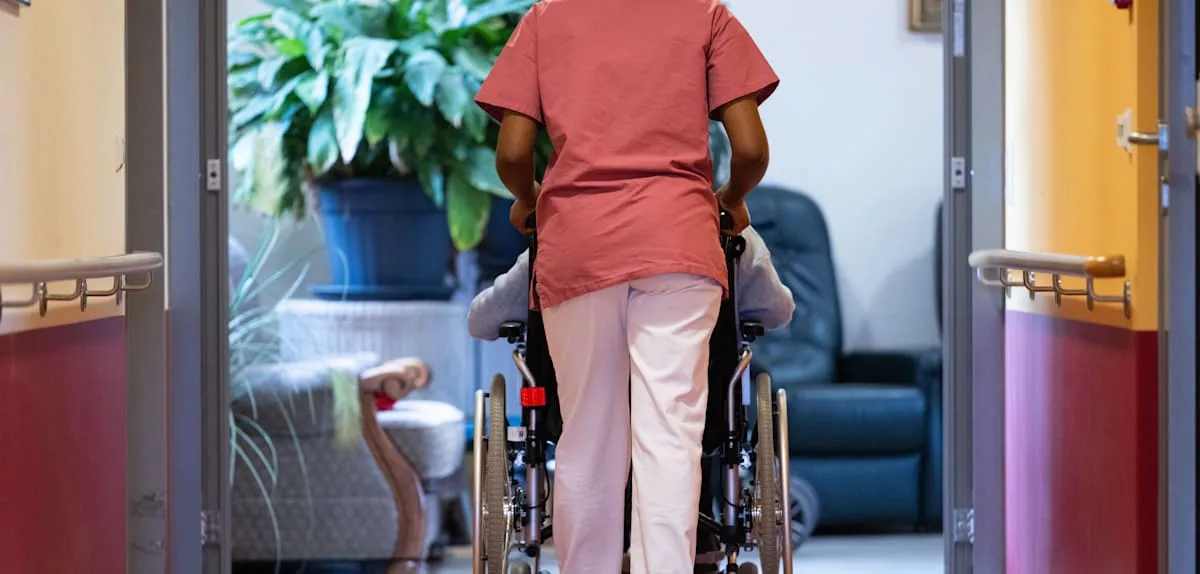
This aid also touches on demographic aspects. Surge in German Nursing Home Costs 2026: Seniors Trapped by Heavy Burdens demonstrates that the government needs to pay special attention to vulnerable groups, and this policy is expected to indirectly reduce that burden.
The government pledges to continuously monitor the effectiveness of this policy's implementation and remain open to necessary adjustments. Transparency in the allocation and use of funds is a priority to ensure public trust is maintained.
This bureaucracy reduction and economic stimulus program demonstrates Germany's commitment to creating a more conducive environment for growth and prosperity. This is not merely a reactive measure but a proactive strategy to build a more resilient and inclusive economic future in 2026 and beyond.