 Angel Doris
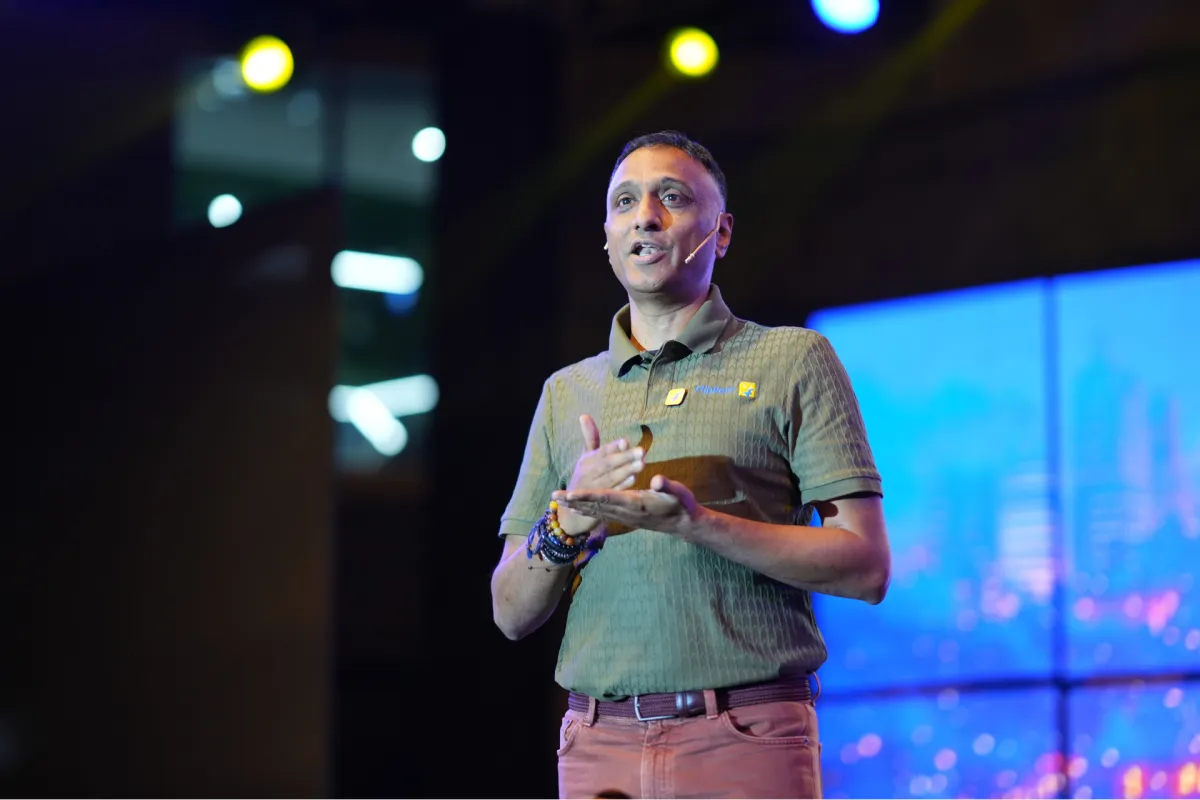
NEW DELHI – Turmoil in India's e-commerce landscape intensifies as Kalyan Krishnamurthy, CEO of retail giant Flipkart, announced his resignation, effective next week. This surprising decision comes amid significant uncertainty surrounding the company's planned initial public offering (IPO), triggering widespread speculation among investors and market observers.
Krishnamurthy's leadership position will be temporarily filled by Balaji Thiagarajan, currently Flipkart's Head of Product and Technology. Thiagarajan will lead the company alongside its board of directors until a permanent successor is found. This leadership transition is projected to raise serious questions about Flipkart's strategic direction, especially as the company seeks to gain global market confidence through its IPO.
The resignation of a key CEO often signals significant internal turmoil or external challenges. For Flipkart, a dominant player in the Indian market and backed by Walmart, the timing of this announcement is critical. Global capital markets are currently turbulent, and any leadership uncertainty could further complicate the situation.
Flipkart's IPO plans have been in the spotlight for some time. The initial public offering is expected to fetch a massive valuation for the company, while also serving as an important stepping stone for Walmart to strengthen its dominance in the Asian market. However, volatile market conditions and global economic pressures demand stability and strong leadership.
The IPO uncertainty, cited as one of the primary reasons behind Krishnamurthy's decision, illustrates the challenges faced by large technology companies in attracting investment amidst the turbulent economic climate of 2026. Similar phenomena are observed in other sectors, where many companies face comparable pressures in their expansion or funding plans.
Kalyan Krishnamurthy, who has led Flipkart for the past several years, is credited with driving significant growth and solidifying its position as a market leader. Under his leadership, Flipkart navigated intense competition from Amazon and other local players, yet maintained a substantial market share.
Balaji Thiagarajan's role as interim leader will be crucial. As Head of Product and Technology, Thiagarajan possesses a deep understanding of Flipkart's core operations and innovations. His involvement is expected to maintain the company's momentum and assure stakeholders that this transition will proceed smoothly.
Market analysts highlight that this sudden resignation could backfire if not managed carefully. 'Leadership stability is a valuable asset, especially for a company about to go public,' stated an equity market analyst, who preferred to remain anonymous. 'This uncertainty has the potential to affect investor sentiment and expected valuations.'
This situation could also create opportunities for competitors to increase pressure in India's highly competitive e-commerce market. Flipkart's success in navigating this transitional period will be a critical test of its business model's resilience and strategy.
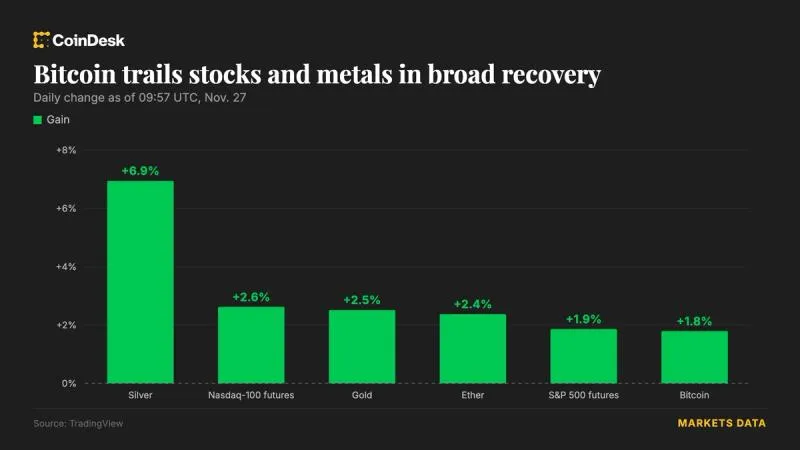
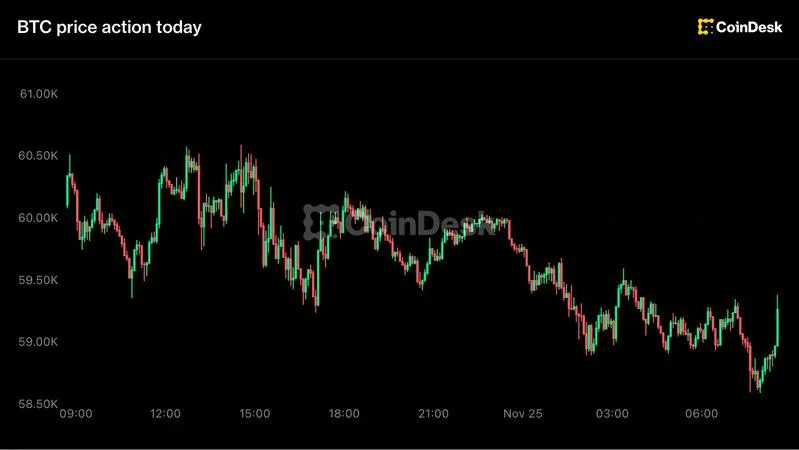
The impact of Krishnamurthy's resignation is not expected to be limited to the company's internal affairs but will also extend to the broader Indian e-commerce ecosystem. Investors will closely monitor further developments, including the announcement of a permanent CEO candidate and the definitive timeline for Flipkart's IPO. This dynamic aligns with broader market fluctuations, as seen in Crypto Market Storm: Bitcoin ETF Hit by Record Outflows, AI Stocks Dragged Down. The global economic challenges of 2026 indeed demand agile adaptation and shrewd strategies from business leaders.
Editorial Insight: The upheaval at Flipkart demonstrates that even e-commerce giants are not immune to market pressures and global economic uncertainty. The departure of an experienced CEO at a crucial moment leading up to an IPO serves as a warning for prospective investors and a reflection of the complexities of navigating capital markets in the modern era. Effective transition management will be key to sustaining growth momentum and market confidence.