 Robert Andrison
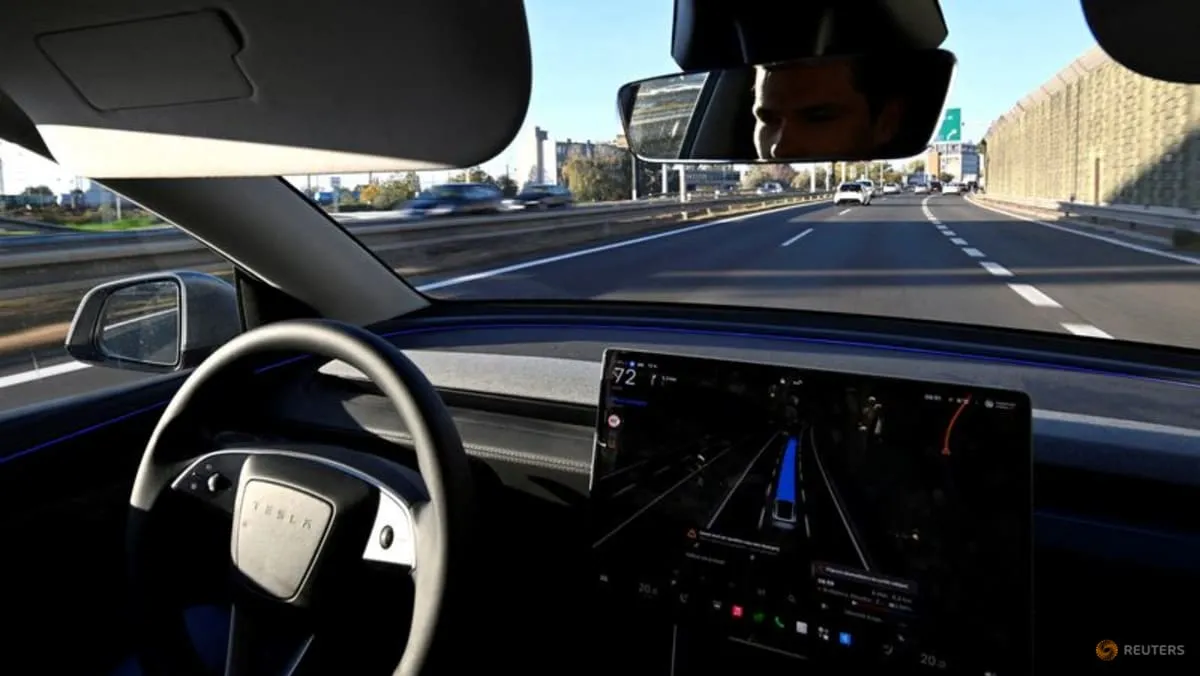
HELSINKI – Finland's transport authorities in 2026 have officially given the green light for the operation of Tesla's assisted driving technology in electric vehicles, following a series of significant adjustments. This decision marks a crucial step forward for the adoption of autonomous technology in the Nordic region, expected to enhance road safety standards across Finland. The approval comes after in-depth evaluation and software modifications undertaken by Tesla to address initial regulatory concerns.
This approval was not without conditions. Finnish authorities demanded Tesla make substantial changes to its Autopilot and Full Self-Driving (FSD) systems, particularly concerning driver responsibility and interaction with local road infrastructure. This process involved intensive dialogue between the American automotive giant and European regulators.
Detailed changes include clearer directives on when drivers must take over control, more explicit warnings against potential distractions, and algorithm adjustments to adapt to Finland's specific road conditions and traffic signs. Tesla reportedly implemented comprehensive over-the-air (OTA) software updates across its fleet operating in the country.
Tesla's success in obtaining this permit opens up broader market opportunities in Europe, while setting a precedent for other nations grappling with autonomous driving technology regulations. This underscores the company's commitment to operating within local legal frameworks, despite its ambition to push the boundaries of innovation.
We welcome this decision as proof of effective collaboration between technology innovators and regulators, a Tesla spokesperson in Europe stated in a released announcement. User safety remains our top priority, and the adjustments we made reflect that dedication while ensuring an optimal driving experience.
From a regulatory standpoint, the Finnish Transport and Communications Agency (Traficom) affirmed that this decision was made after rigorous verification. We have ensured that the updated system meets all applicable safety requirements in Finland, including the driver's obligation to remain vigilant and ready to take over at any time, explained Traficom Director-General Markus Laine, in a virtual press conference from Helsinki.
Several road safety experts welcomed the move, viewing it as an impetus for responsible innovation. This demonstrates that advanced technology can be integrated into our transport systems provided there is a clear regulatory framework and necessary adjustments, commented Professor Anna Korhonen, a transport expert from the University of Helsinki.
Nevertheless, challenges persist. Continuous monitoring of the technology's performance on Finnish roads, especially in extreme weather conditions such as heavy snow, will be crucial. Debates concerning the demarcation between driver assistance features and fully autonomous driving are also likely to continue at the European Union level.
For Tesla, this approval consolidates its position as an innovative leader in the electric vehicle market. It also has the potential to encourage other Nordic countries to accelerate the development of similar regulatory frameworks, creating a more harmonized market for autonomous vehicles.
Issues concerning automotive safety and mass vehicle recalls are not new to the industry. For instance, the dead steering scandal that led to hundreds of thousands of Honda cars being recalled in 2026, highlights the crucial importance of strict oversight of vehicle technology and components. This underscores the importance of innovation accompanied by regulatory compliance.
Editorial Insight: Finland's decision to approve Tesla's assisted driving technology after modifications reflects a delicate balance between advancing innovation and safeguarding public safety. This is not merely a victory for Tesla, but also a significant moment for the harmonization of autonomous vehicle regulations across Europe. Future challenges will include adapting this technology to diverse geographical conditions and driving cultures, as well as developing more comprehensive global standards, given the extraordinary pace of this technology's evolution.