 Demian Sahputra
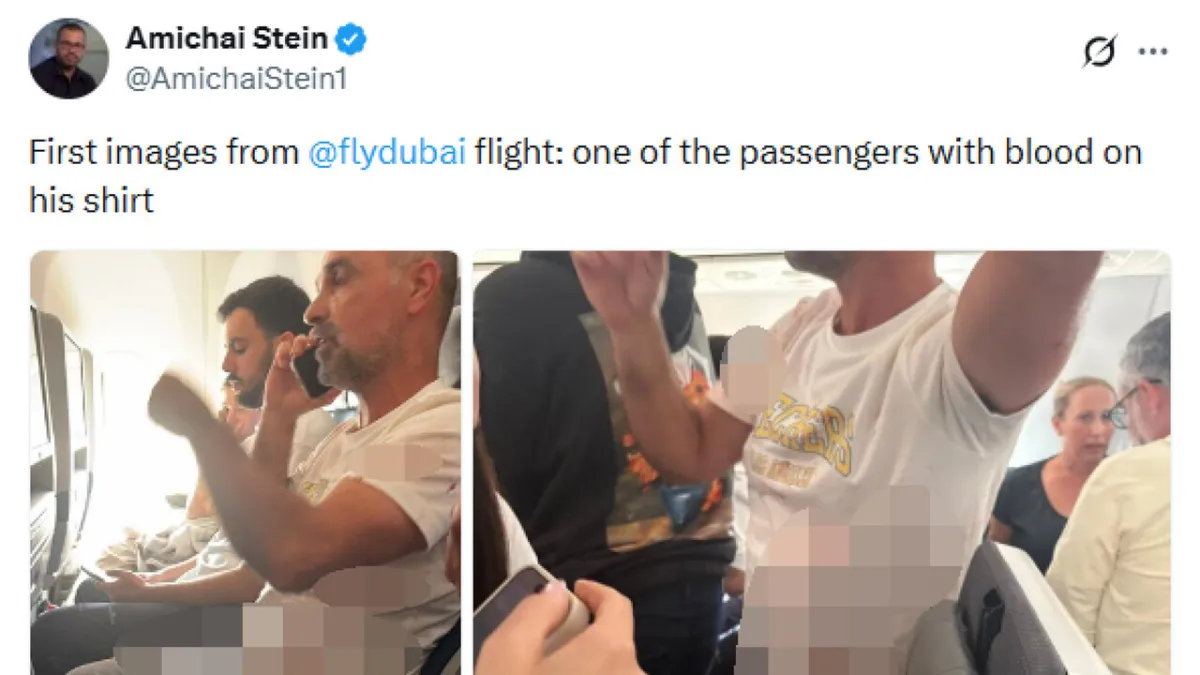
DUBAI – The aviation world is once again rocked by a serious incident aboard a FlyDubai flight. A viral image on social media, widely circulated in 2026, shows a blood-stained t-shirt belonging to a passenger. This passenger reportedly made a strenuous effort to stop a physical fight between two pilots in the cockpit, a high-risk heroic act.
This extraordinary event threatened flight safety and raised serious questions about security procedures and operational standards for flight crews. Details regarding the exact cause of the fight have not been disclosed by the airline or relevant aviation authorities. However, the passenger's courage has become the main highlight.
The photo, which first spread widely across various global social media platforms, displays a white t-shirt with clear bloodstains. It is claimed that the blood came from injuries sustained by the passenger while attempting to separate the pilots who were engaged in a physical struggle in an area that should be the safest zone on the aircraft.
The incident occurred inside the cockpit, an area with very restricted access and reserved exclusively for on-duty flight crew. The presence of a fight in the aircraft's control room raises deep concerns about the mental stability and professionalism of the pilots responsible for hundreds of lives.
Aviation safety experts immediately reacted, highlighting the critical importance of a pilot's psychological and emotional condition. Even the slightest disturbance in the cockpit can have fatal consequences, let alone a physical fight that could disrupt crew concentration and performance.
FlyDubai, an airline based in Dubai, has not yet issued a comprehensive official statement regarding the incident. Typically, an internal investigation would be immediately launched, involving interviews with all crew members involved, including eyewitness passengers.
The international community demands full transparency from FlyDubai and civil aviation authorities. They seek concrete steps to be taken to prevent the recurrence of similar incidents in the future. Public trust in the airline and the aviation industry as a whole is at stake.
Several aviation experts speculate that work pressure, personal issues, or even internal conflicts could trigger such incidents. However, whatever the reason, such behavior is considered intolerable under global aviation safety standards.
The role of the passenger who took the initiative to break up the fight drew both praise and concern. Praise for their bravery, but also concern as to why a passenger had to take personal risks to resolve a conflict between professionals who are supposed to maintain composure.
Civil aviation authorities, including the International Civil Aviation Organization (ICAO), are expected to closely monitor this investigation. Its findings could influence regulations and crew training worldwide, particularly concerning stress management and conflict resolution.
This incident also sparked further discussion about the oversight and psychological support for flight crews. The aviation industry is a high-pressure sector, and the mental health of its crew must be a top priority.
This event reminds the public of various unforeseen challenges that can occur during a flight. From extreme turbulence to technical problems, flight crews are expected to maintain composure and professionalism in all situations. A cockpit brawl clearly violates this ethos.
In a broader context, this FlyDubai incident adds to a long list of inappropriate behavior cases involving flight crew. Although rare in the cockpit, cases of violence or professional ethical breaches are always a serious concern.
This case may also impact FlyDubai's image in the eyes of global consumers. The airline is required to demonstrate a strong commitment to the safety and professionalism of its employees so that passenger trust is not eroded.
Editorial Insight: The incident of pilots fighting in the FlyDubai cockpit is a severe breach of safety protocols and public trust. This is not merely a disciplinary infraction, but a direct threat to the safety of hundreds of passengers. Aviation authorities must act decisively, not only by punishing the culpable individuals but also by thoroughly evaluating the psychological oversight and conflict management systems for all flight crew. Transparency and accountability are key to restoring confidence and ensuring that this embarrassing incident does not recur. The aviation industry, built on trust and safety, cannot tolerate compromises on professionalism.