 Demian Sahputra
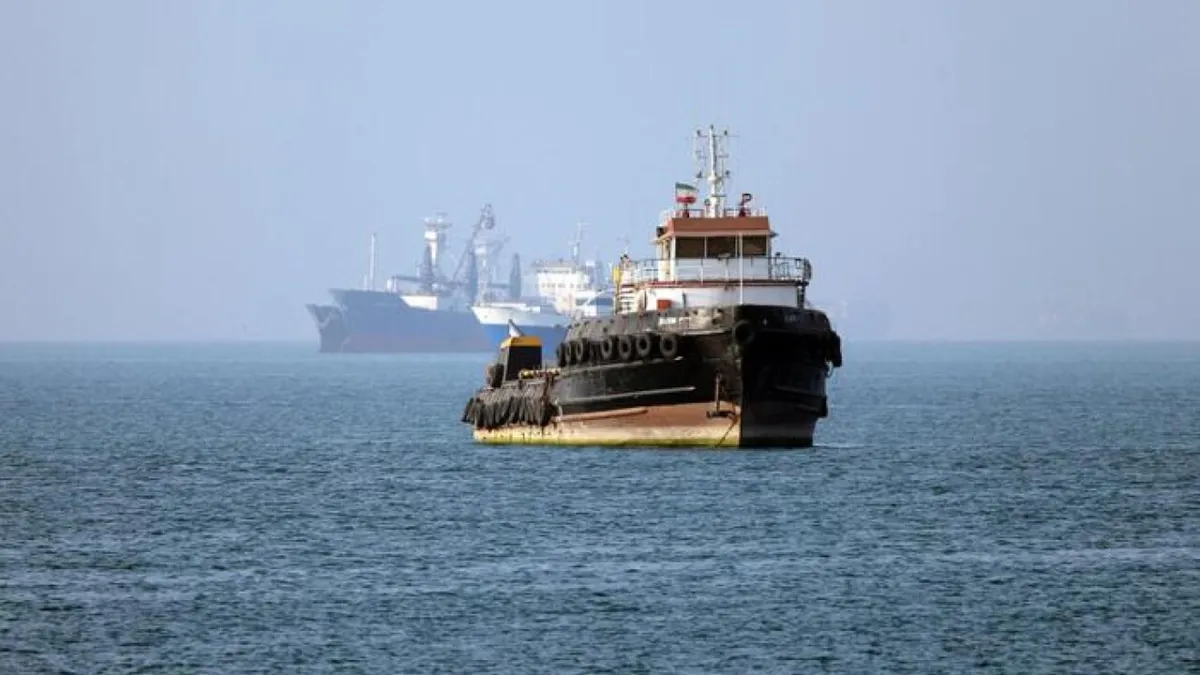
PARIS – France has launched a significant diplomatic initiative at the United Nations, diligently drafting a UN Security Council resolution. This move aims to address rising tensions in the Strait of Hormuz, a crucial shipping lane for the global economy, through close collaboration with the United States under President Donald Trump's leadership and its international partners.
Paris's initiative emerges in response to the continuously volatile geopolitical dynamics in the Middle East, particularly throughout 2026. The Strait of Hormuz, connecting the Persian Gulf to the Arabian Sea, plays a vital role as the main gateway for one-fifth of the world's oil supply, making it a vulnerable point for potential conflict.
The French Minister of Foreign Affairs has not yet provided detailed statements, but diplomatic sources indicate that the draft resolution will focus on strengthening maritime surveillance mechanisms and ensuring freedom of navigation in accordance with international law.
Collaboration with Washington reflects the shared interest among Western powers in maintaining the stability of this vital trade route. President Donald Trump, back in office, has consistently emphasized the importance of maritime security in the region, affirming US support for efforts aimed at de-escalation.
In addition to the United States, France is also involving several European and Asian countries with strategic interests in the Strait of Hormuz. These intensive dialogues are expected to build strong consensus, although the negotiation process in the UN Security Council often presents significant challenges.
The resolution proposed by France is not merely focused on reactive measures. Instead, it seeks to build a robust preventive framework, preventing future incidents that could disrupt global trade flows and trigger energy market volatility. This is a primary concern given the sensitive global oil market fluctuations.
Geopolitical analysts view this French move as a clever attempt to assert Europe's role in global diplomacy, amidst the shadow of tensions between major power blocs. It also demonstrates Paris's commitment to multilateralism as a solution to international crises.
However, the greatest challenge lies in convincing all permanent members of the UN Security Council, especially countries with differing views on security issues in the region. A veto from any permanent member can easily derail all diplomatic efforts.
The situation in the Strait of Hormuz over the past few years has been marked by a series of incidents, from ship seizures to accusations of sabotage, all contributing to regional uncertainty. A UN resolution is expected to provide a strong legal and moral foundation to de-escalate the situation.
The security of navigation in the Strait of Hormuz has direct implications for global commodity prices and international economic stability. Any disruption there could trigger spikes in oil prices, which in turn would affect inflation and economic growth worldwide.
France's efforts align with the calls of Pope Leo XIV from the Vatican, who in early 2026 urged peaceful dialogue and conflict resolution through diplomatic channels, particularly in areas prone to global escalation.
Meanwhile, observers also highlight how this resolution effort could affect regional power dynamics, with potential shifts in alliances and strategic approaches in the future.
The success of this resolution will heavily depend on France's ability to build consensus, balance the interests of various parties, and present convincing arguments regarding the urgency of the situation.
Editorial Insight: France's initiative to formulate a UN resolution concerning the Strait of Hormuz is a strategic and important diplomatic step. It is not just an effort to address short-term tensions, but also a reassertion of Europe's role in global security and a commitment to a rules-based international order. Its success will depend on Paris's capacity to navigate the political complexities within the UN Security Council, but its intent sends a strong message about the importance of global maritime stability. If successful, this resolution could set a precedent for handling similar crises in the future, protecting vital trade routes, and preventing a wider escalation of conflict.