 Chandra Wijayanto
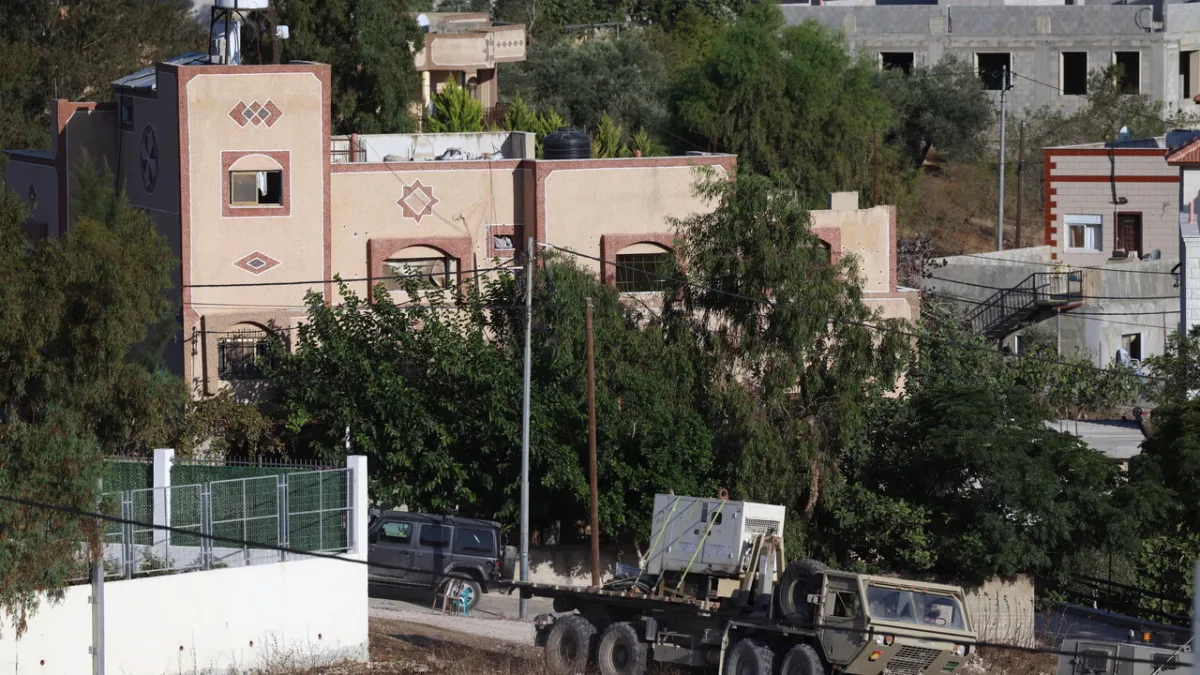
QUSRA – The humanitarian situation in the village of Qusra, West Bank, has escalated once again after the Israel Defense Forces (IDF) rescinded an evacuation order previously issued to several besieged Palestinian families. This decision follows a series of violent incidents involving Israeli settlers, drawing strong condemnation from various international bodies, including the United States Ambassador to Israel, who explicitly labeled the siege as an act of terrorism.
These incidents have unfolded over recent days, with Palestinian families in Qusra facing intense pressure from settler groups. They live under constant threat, with reports of property attacks and increasing intimidation. These conditions exacerbate long-standing tensions plaguing the region.
The statement from the United States Ambassador to Israel has garnered significant attention. On one occasion, he asserted, 'The siege by settlers on Palestinian homes is terrorism.' This declaration marks an escalation in diplomatic rhetoric and underscores Washingtons serious concerns regarding stability and human rights in the occupied territories.
Conversely, the IDF issued a statement in response to the situation. An IDF spokesperson declared, 'Our soldiers are present to protect residents.' This statement aims to portray the IDF's role as an enforcer of order, although international critics highlight that their presence often fails to prevent, and at times even exacerbates, confrontations between settlers and Palestinians.
The revocation of the evacuation order, while seemingly a positive step, actually illustrates the complex dilemma faced by Palestinians. They are no longer forced to leave, yet remain trapped in a siege that threatens their safety and daily livelihoods.
The crisis in Qusra mirrors a broader pattern of conflict in the West Bank, where settlement expansion continues to fuel tensions. The international community has repeatedly called for an end to such actions, which are considered violations of international law and undermine the prospects for a two-state solution.
The United Nations, through several resolutions, has underscored the illegality of Israeli settlements in the occupied Palestinian territories. However, the implementation of these resolutions frequently encounters complex political and geostrategic challenges.
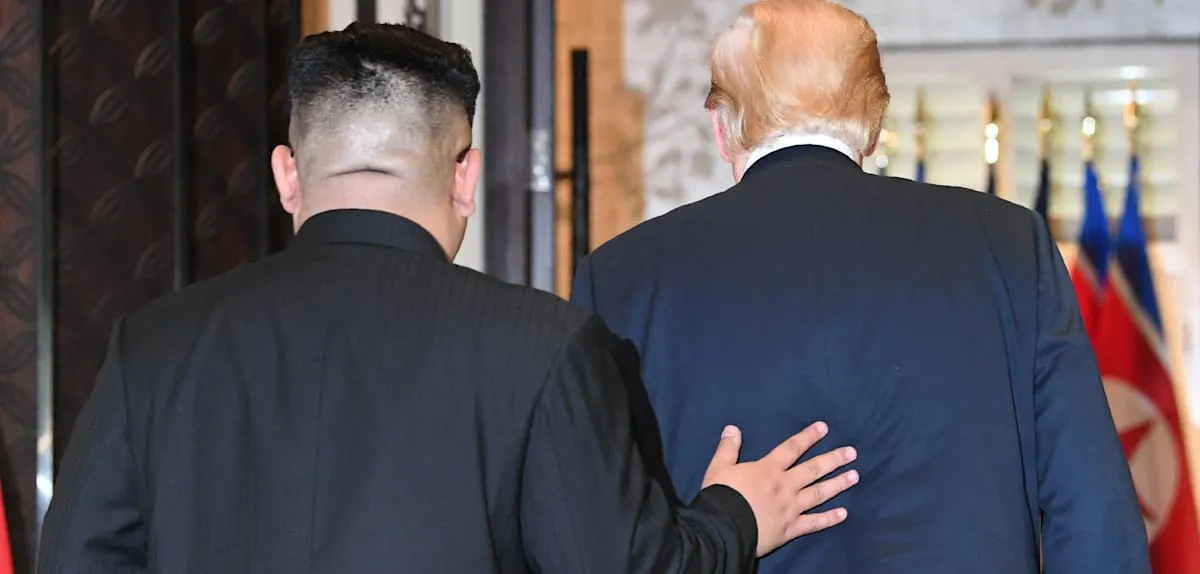
The Donald Trump administration in the United States, now back in office as President, has shown strong support for Israel. However, the comments from the US Ambassador indicate that even within that administration, there are limits to tolerance for extreme acts of violence.
The tensions in Qusra are not merely a localized conflict, but also part of a larger narrative about land rights, sovereignty, and human dignity. This incident adds to a long list of violence that has become an inseparable part of the daily lives of Palestinians in the West Bank.
Local and international human rights groups have documented various abuses. They urge more effective protection for civilians and accountability for those responsible for acts of violence.
Editorial Insight:
The situation in Qusra serves as a stark reminder of the fragile peace in the Israeli-Palestinian region. The IDF's revocation of the evacuation order, while easing immediate pressure, does not resolve the root causes of settlement expansion and the insecurity felt by Palestinians. Diplomatic condemnation from the United States, though significant, must be followed by concrete actions to ensure accountability and the protection of human rights. Without fundamental structural changes, similar incidents will continue to recur, prolonging the cycle of violence and hindering all efforts toward regional stability.