 Angel Doris
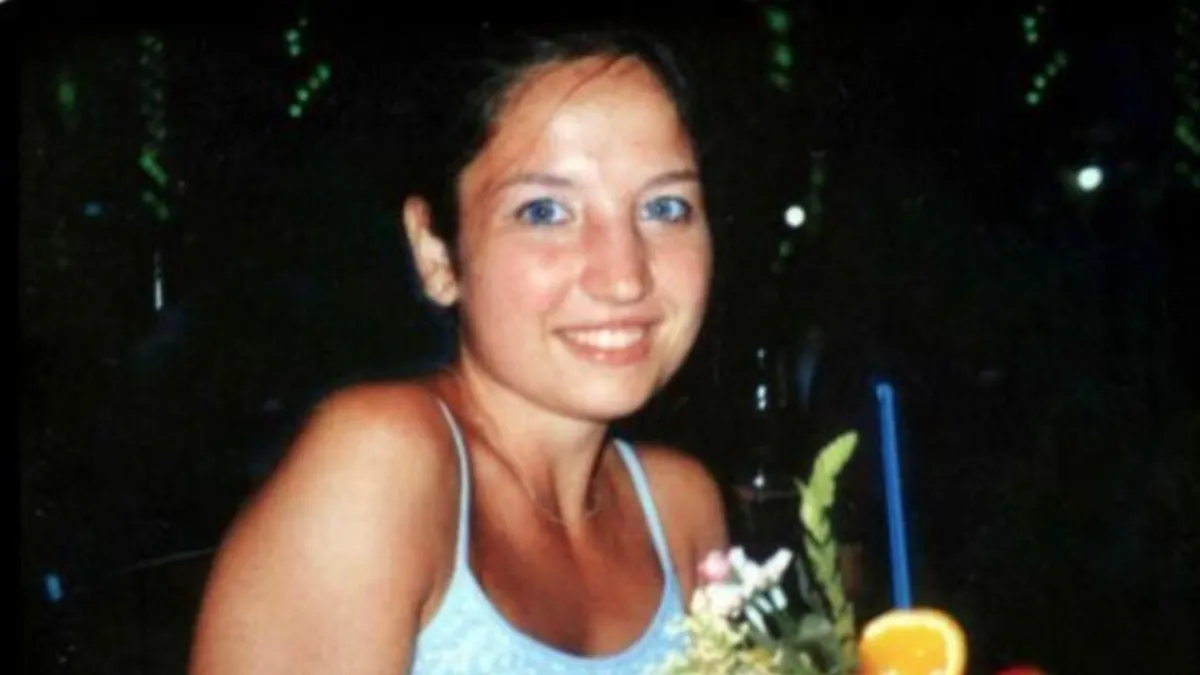
GARLASCO – The tragic anniversary of Chiara Poggi's passing once again casts a shadow over the small town of Garlasco. Amidst the swirling public memory, her mother, Rita Poggi, bravely conveyed the family's profound wish to remember their daughter in silence. This plea emerges after a year dominated by media and public opinion inundated with various accusations and insinuations regarding the mystery behind Chiara's death.
A year after renewed speculation and fierce debate resurfaced concerning the case that shocked Italy, the Poggi family seeks to withdraw from the public clamor. They hope the focus of the commemoration can return to Chiara as an individual, rather than on the intrigues or legal drama that often accompany it. This stance offers a calming presence amidst the relentless wave of news dissecting every detail of the case.
We want to remember Chiara in silence, stated Rita Poggi, her voice filled with emotion yet resolute. This is our private moment to grieve, not an arena for endless debate or accusations. This statement reaffirms the family's privacy boundaries, which have been under intense media scrutiny for years.
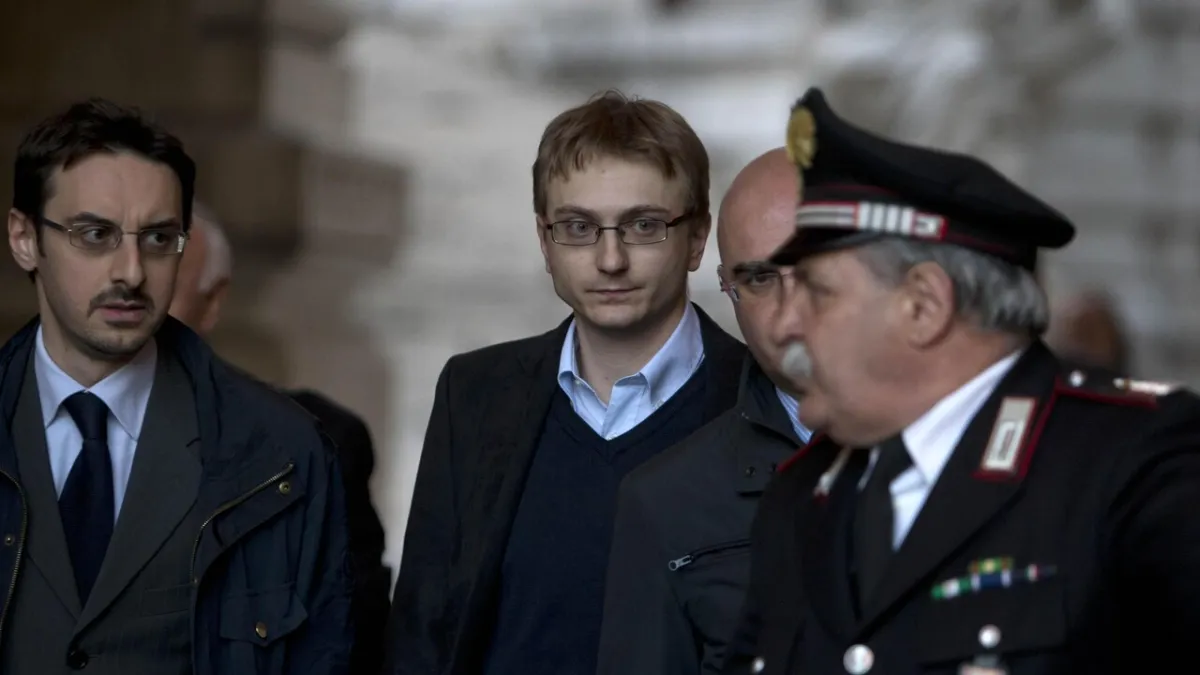
The murder of Chiara Poggi in August 2007 remains one of the most prominent criminal cases in modern Italian history. The incident, which resulted in the death of the 26-year-old student in her own home, triggered a lengthy investigation, controversial trials, and ongoing legal debates.
Over the past year, the case has once again drawn intense attention after some parties revisited old facts or presented new interpretations of existing evidence. This sparked a wave of discussions in the mass media and online platforms, often without respecting the deep sorrow still felt by the victim's family.
The Poggi family, through their spokesperson, emphasized the importance of respecting the legal process and avoiding speculation that could undermine the integrity of the investigation or the victim's dignity. They assert that true justice cannot be found amidst the clamor of sensationalism.
This openly expressed wish from the family is a call for all parties to reflect on journalistic ethics and the boundaries in handling criminal cases involving profound grief. The public is invited to understand that behind every news story, there is a wounded heart and privacy that needs to be respected.
Although the courts have convicted the perpetrator, the complexity of the case often fuels questions and conspiracy theories among the public. Massive media pressure sometimes exacerbates the situation, rather than providing fair clarification.
The annual commemoration of Chiara Poggi's death consistently serves as a turning point for many Italians to reflect on the justice system, the role of the media, and how society confronts tragedy. This year, with the specific request from the victim's mother, there is hope for a change in how the public approaches this painful event.
The Garlasco case also highlights how a personal tragedy can become a public spectacle, with all its implications for grieving families. Hence, the importance of distinguishing between the need for information and the right to individual privacy.
In the context of international law and criminality, such cases often become studies on how public and media pressure can influence the course of investigations and trials, although ideally, these two aspects should be separate. The Poggi family, through their request, attempts to reassert these boundaries.
This anniversary is not merely about remembering Chiara but also about the family's endeavor to find peace amidst a public storm. The silence they yearn for is a manifestation of a desire to heal wounds without the disturbance of endless rumors.
Editorial Insight: The Poggi family's stance in Garlasco serves as a subtle rebuke to a media culture that sometimes disregards ethical boundaries. This plea for silence is not merely an expression of grief but also a symbol of the struggle for dignity amidst sensationalism. It reminds us that justice and respect for victims must always be a priority, transcending the need for spectacle. Cases such as Bloody Tragedy: Woman Stabbed Dozens of Times, Husband Suspected also demonstrate how society responds to similar tragedies, and how crucial the media's role is in shaping a responsible narrative.