 Stefani Rindus
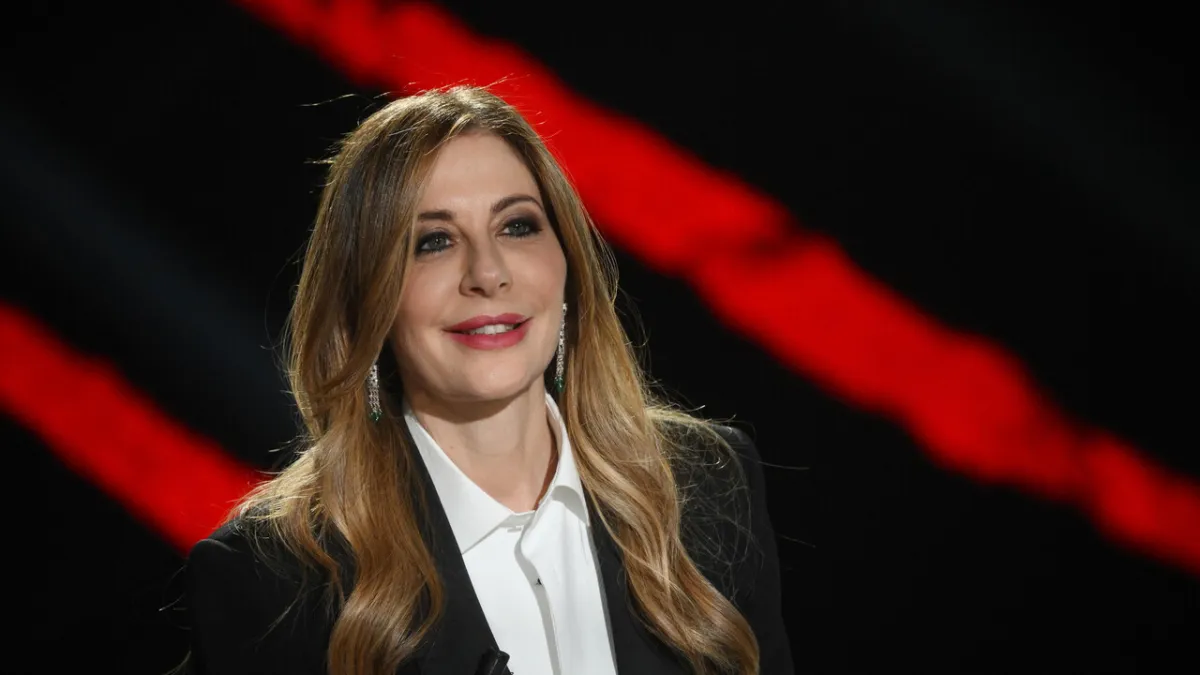
ROME – Intense speculation surrounds the future of Francesca Fagnani, one of Italy's most recognized television personalities, following reports that she is ready to leave Radio Televisione Italiana (Rai), the country's largest public broadcaster. Fagnani's hinted departure immediately triggered a strong reaction from the Five Star Movement (M5s), which called for a complete overhaul of Rai's leadership.
News regarding Fagnani's potential exit emerged amidst disagreements and missed opportunities within Rai. This situation indicates deep dissatisfaction from the presenter of the successful program 'Belve' regarding internal conditions or strategic management decisions.
Rai, through its official statement, attempted to ease tensions by asserting that Francesca Fagnani is a fundamental asset to the company. This statement reflects Rai's effort to retain one of its key talents, known for her strong appeal among viewers.
However, efforts to de-escalate the situation were met with louder calls from M5s. The political party explicitly demanded that the leaders of Telemeloni be sent home, a sharp dig at the alleged political influence of Prime Minister Giorgia Meloni's government over Rai's editorial independence.
The tension between media independence and political influence has often been a sensitive issue in Italy. M5s' demands reflect widespread concerns about Rai's neutrality as a public broadcaster, which should serve all segments of society without political bias.
The claim of 'Telemeloni' strengthens the narrative that Rai, which should be a reflection of media pluralism, is being drawn into the orbit of specific political interests. This creates polarization in the public sphere and among opposition politicians.
Francesca Fagnani, with her sharp and direct interview style, has built a reputation as a courageous journalist. Her potential departure is not just the loss of an individual, but could erode Rai's credibility as a platform for independent and critical voices.
This situation presents a serious challenge for Rai in retaining its best talent and reasserting its commitment to objective journalism. Losing a popular figure like Fagnani could significantly impact ratings and public trust.
According to some media analysts in Rome, internal conflicts and political pressures of this kind are not new in Rai's history. Similar cases in various institutions often highlight how the line between political and operational spheres of public institutions becomes blurred.
M5s demands a thorough investigation into alleged political interference and transparency in board-level decision-making. They argue that only through a radical leadership overhaul can public trust in Rai be restored.
The implications of this turmoil could be far-reaching. If Fagnani indeed leaves, she might be followed by other talents who feel similar pressures. This could trigger a mass exodus, further weakening Rai's position in the national and international media landscape.
The debate on public media independence has become a global spotlight. In various countries, discussions about how to maintain the autonomy of public broadcasters from political interference continue. Issues of neutrality often trigger serious controversy.
The public now awaits concrete steps from Rai's management and the government to respond to M5s' demands and the implicitly voiced concerns of Fagnani. The resolution of this crisis will be a critical test for Italy's commitment to press freedom and public broadcasting integrity.
Editorial Insight:
The situation at Rai transcends mere personnel drama; it reflects a larger battle over journalistic autonomy in an increasingly polarized political era. M5s' demands, though politically charged, highlight the crucial need for clear boundaries between government and public media. Rai must unequivocally demonstrate its independence if it wishes to maintain the legitimacy and public trust it has built over many years. This crisis is a pivotal moment to reaffirm the core values of public broadcasting.