SEOUL – Global energy company Peak Energy is injecting a significant $250 million into green energy projects in South Korea, a strategic move driven by disruptions in conventional fuel supplies due to global geopolitical conflicts. An additional $100 million in investments is planned to commence in 2027, underscoring the company's commitment to clean energy transition amidst market uncertainties.
Peak Energy's decision comes as the world grapples with energy market volatility, particularly following a series of incidents and geopolitical tensions that directly impact fuel distribution routes and prices of fossil fuels. The urgent need for energy security and supply independence has become a top priority for many nations, including South Korea.
South Korea has long positioned itself as a leader in technological innovation and sustainability. The government's progressive policies in support of renewable energy, coupled with the availability of advanced infrastructure, make it a highly attractive location for investors focused on the future of clean energy.
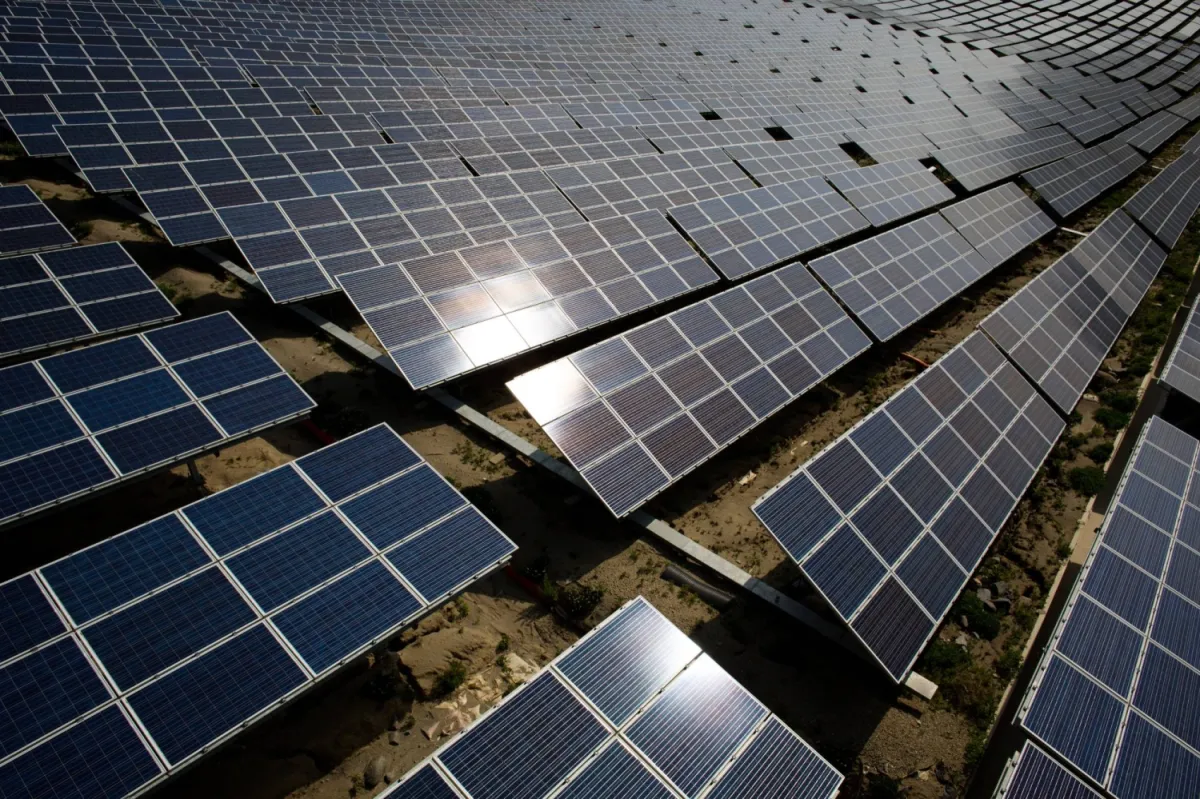
The initial $250 million investment is allocated to the development of diverse green energy facilities. These projects include the construction of large-scale solar power plants, advanced battery energy storage facilities, and research and development into green hydrogen technology, which is expected to be a backbone of future energy.
Meanwhile, the $100 million project set to begin in 2027 is expected to expand Peak Energy's innovation scope. Its focus will likely include the development of offshore wind energy or the integration of more complex renewable energy systems, optimizing South Korea's geographical and technological potential.
Peak Energy's management states that this move is not merely business expansion but a fundamental response to global market realities. The company is determined to be a key player in the new energy landscape, mitigating the risks of dependence on fossil fuels, which are increasingly vulnerable to political and economic upheavals.
This energy transition is anticipated to have a substantial economic impact on South Korea. Thousands of new jobs will be created, from engineers and researchers to construction and operational workers. Furthermore, this investment will drive technology transfer and strengthen local industrial capabilities.
Global energy market analysts note that similar trends are occurring worldwide. Giant energy companies are beginning to shift their portfolios from carbon-intensive assets to environmentally friendly investments. This marks an inevitable shift towards more ambitious global electrification targets.
While the prospects for green energy are highly promising, its implementation is not without challenges. Hurdles such as high initial costs, the need for more efficient energy storage technologies, and integration into existing power grids remain key concerns for developers and regulators.
Peak Energy's bold move in South Korea is expected to trigger a wave of similar investments from other global entities. Competition in the green energy sector will intensify, driving further innovation and accelerating the pace of the global energy transition toward a cleaner, more sustainable future.
Editorial Insight: Peak Energy's decision to boost green energy investments in South Korea is not just a business opportunity but a reflection of strategic adaptation to a turbulent geopolitical reality. Global conflicts, often seen as inhibitors of economic growth, are now paradoxically accelerating innovation and the transition to clean energy. This investment proves that energy security and sustainability are no longer options but necessities, and South Korea is positioning itself at the forefront of this journey.