 Robert Andrison
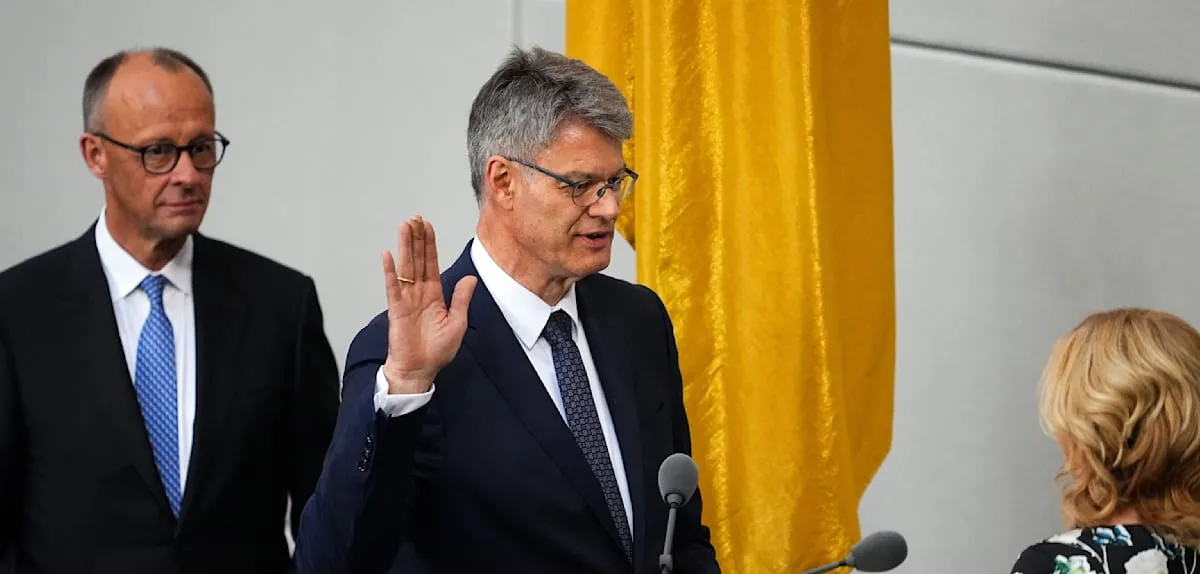
BERLIN — Germany's political arena is once again marked by tension as Patrick Schnieder reportedly refused to attend a cabinet meeting to avoid Chancellor Merz. This incident occurred after Schnieder's dismissal, fueling speculation about 'injured dignity' and potential impacts on the government's reputation.
Schnieder's decision to skip the important meeting became public knowledge in 2026, raising significant questions about the cabinet's solidity under Chancellor Merz's leadership. Internal reports suggest this boycott is the culmination of deep dissatisfaction.
A prominent political scientist expressed concerns, stating that Chancellor Merz's handling of this case, particularly regarding Schnieder's dismissal, risks severely damaging the Bundesregierung's image and credibility in the eyes of the public and the international community.
Merz, who has faced various political challenges throughout 2026, must now address the repercussions of this internal friction. Such open conflict has the potential to erode public trust in the government's capacity to maintain stability and efficiency.
The Schnieder incident adds to a long list of challenges confronting Chancellor Merz. Previously, Merz's credibility was also tested since the crisis in Ireland, which threatened the EU budget and spurred calls for reform.
Reports circulating indicate that the primary reason behind Schnieder's refusal is a feeling of disrespect following his dismissal. In the dynamics of power, issues of dignity often become catalysts for conflicts that are difficult to resolve.
This situation has sparked a heated debate among political observers regarding Chancellor Merz's leadership style. Some consider his approach too confrontational, while others argue it is part of an effort to enforce cabinet discipline.
This internal crisis will undoubtedly be a major focus for the media and opposition. They will leverage this opening to criticize Merz's leadership and question the coalition's ability to work harmoniously for Germany's benefit.
In a broader context, Germany is facing various crucial issues in 2026, ranging from economic recovery to energy policy. Internal political uncertainty could hinder the government's focus on addressing these important agendas.
Calls for Chancellor Merz to explain the situation are expected to intensify. Transparency and concrete steps to de-escalate tensions will be key to restoring public trust and maintaining cabinet stability.
Similar incidents are not new for Merz. The public may recall previous calls for a vote of no confidence, indicating that his leadership is often marked by turmoil. The Schnieder situation only adds to the complexity of existing problems.
This event underscores the importance of effective conflict management within government. Without a clear resolution, such incidents can set a bad precedent and continue to erode the foundation of the ruling coalition.
The political future of Patrick Schnieder after his dismissal and refusal to meet Chancellor Merz also remains a mystery. Will he remain a vocal figure outside the cabinet, or is this the end of his political career within government ranks?
Chancellor Merz and his party now stand at a crossroads. How they respond to this drama will determine not only the fate of their administration but also public perception of Germany's political stability on the global stage.