 Robert Andrison
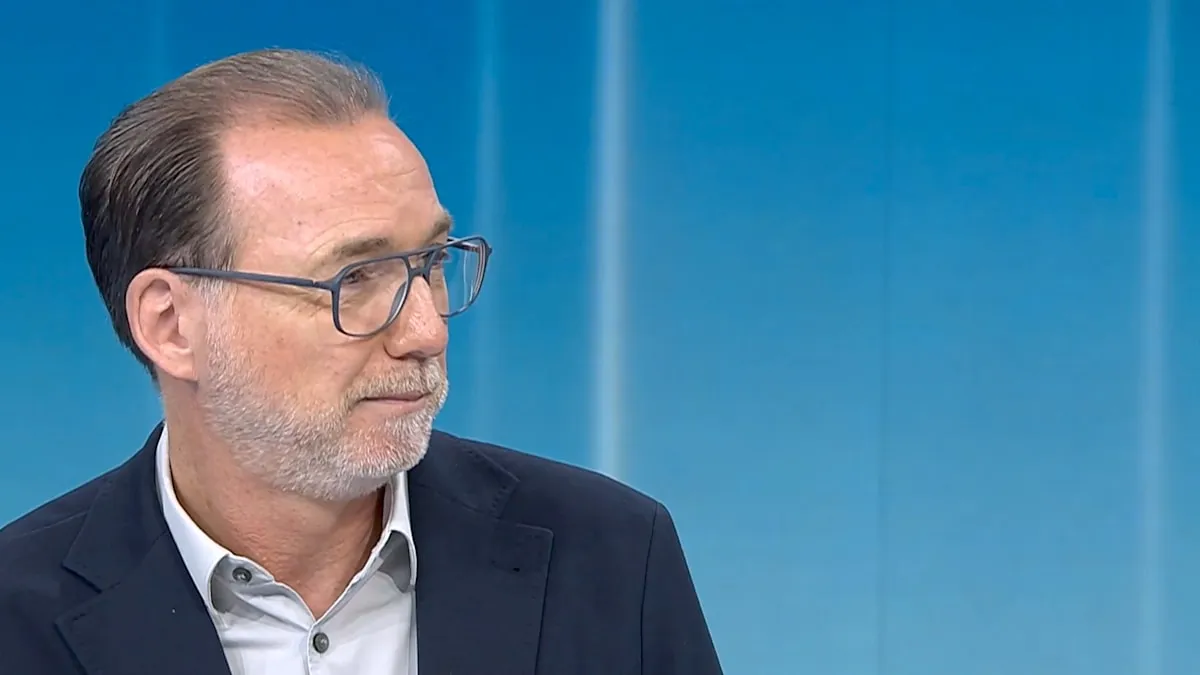
BERLIN — Germany's capital is stirred by a radical proposal put forth by the new lead candidate of the Christian Democratic Union (CDU) Berlin, Evers. He initiated a policy that would assign social welfare recipients to work as city cleaners, a move designed to address urban sanitation issues while simultaneously reintegrating these groups into society in 2026. The discourse immediately garnered national attention, shifting the focus of political discussion across the country.
Evers' proposal specifically targets individuals receiving social benefits, offering them an opportunity to actively contribute to maintaining urban environmental cleanliness. The plan aims to establish a community-based work program that not only cleans streets and parks but also potentially reduces the city's budget burden for conventional cleaning services. This approach is expected to foster a sense of ownership and responsibility among welfare recipients. Similar ideas regarding utilizing welfare recipients for city cleaning have previously sparked intense discussions in various forums.
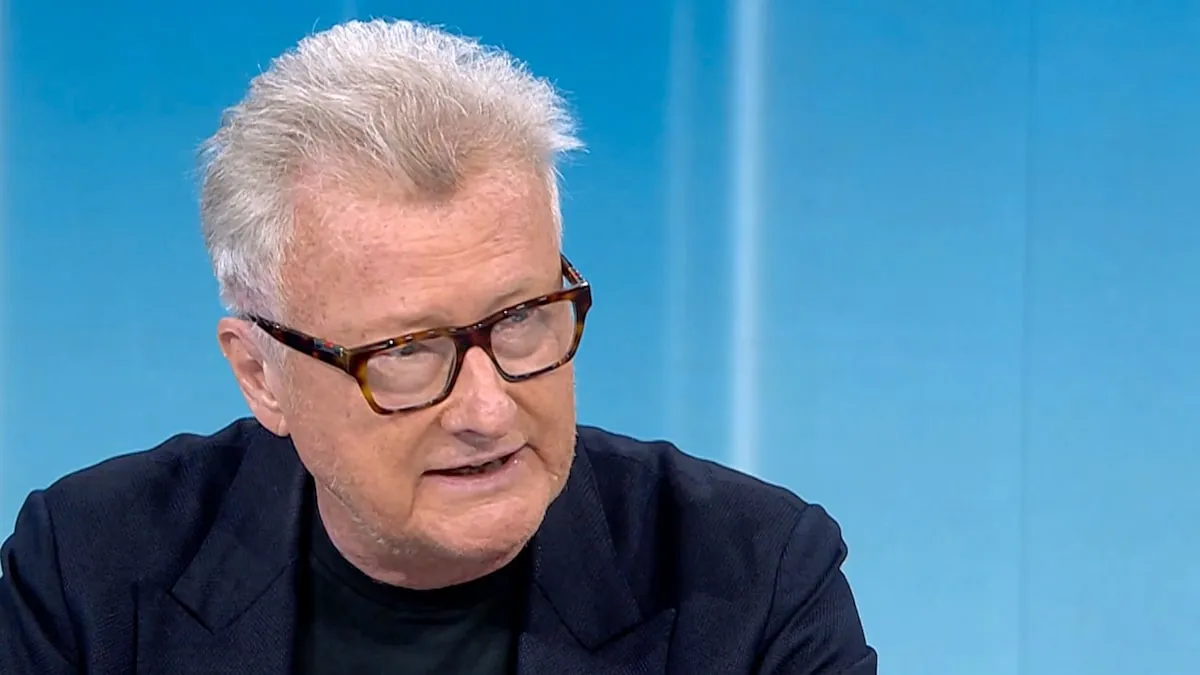
The response to this idea has been mixed. While there is support from some who see it as a pragmatic solution, criticism has also emerged, particularly from labor unions and social rights advocates who fear exploitation and stigmatization. However, one thing is certain: the proposal has successfully brought Evers to the national news stage, an achievement that, according to Johannes Böhning, Deputy Editor-in-Chief of WELT TV, “Kai Wegner did not achieve in three years.”
The comparison with Kai Wegner, likely referring to previous political figures or efforts in Berlin, highlights the strategic nature of Evers' maneuver. By addressing an issue that directly impacts citizens' daily lives, he has successfully attracted media and public attention, which is crucial leading up to elections or in efforts to build a strong leadership image.
The vision behind this plan is twofold: first, to effectively reduce waste volume and ensure a cleaner city. Second, and no less important, to provide purpose and employment for individuals who may feel marginalized from the labor market. CDU Berlin argues that this could be a bridge towards full-time employment and economic independence.
Nevertheless, the implementation of such a program will undoubtedly face various challenges. A clear legal framework, adequate funding, and oversight mechanisms are necessary to ensure workers' rights are protected. Furthermore, the definition of “social welfare recipients” and the assignment criteria must be carefully formulated to avoid discrimination or legal objections.
Similar issues regarding how city governments address cleanliness and community involvement have also been highlighted in various regions, for example, related to the waste conflict in Südbrookmerland which even led to social tension. This demonstrates that urban cleanliness issues often have the potential to cause social friction.
The socio-economic impact of this program has significant potential. If successful, it could serve as a model for other cities in Germany or even Europe facing similar problems. However, the risk of failure, especially if the program is perceived as forced labor or demeaning, also cannot be ignored.
Other political parties in Berlin will likely voice their views. Opposition parties may highlight potential ethical and practical issues, while coalition parties might seek ways to support or modify the proposal to make it more widely acceptable. This debate will test Evers' political negotiation skills.
Böhning of WELT TV underscores Evers' skill in gaining national attention, an indication that this proposal, regardless of its controversy, has achieved its strategic objective in the political arena. This signals a new dynamic in Berlin's political landscape, where new figures can quickly position themselves through bold ideas.
Moving forward, CDU Berlin needs to present a more detailed plan on how this program will be implemented, including remuneration, training, and support for participants. Only then can this discourse transform from a provocative idea into a sustainable and beneficial policy for all Berlin residents in 2026 and beyond.