 Chris Robert
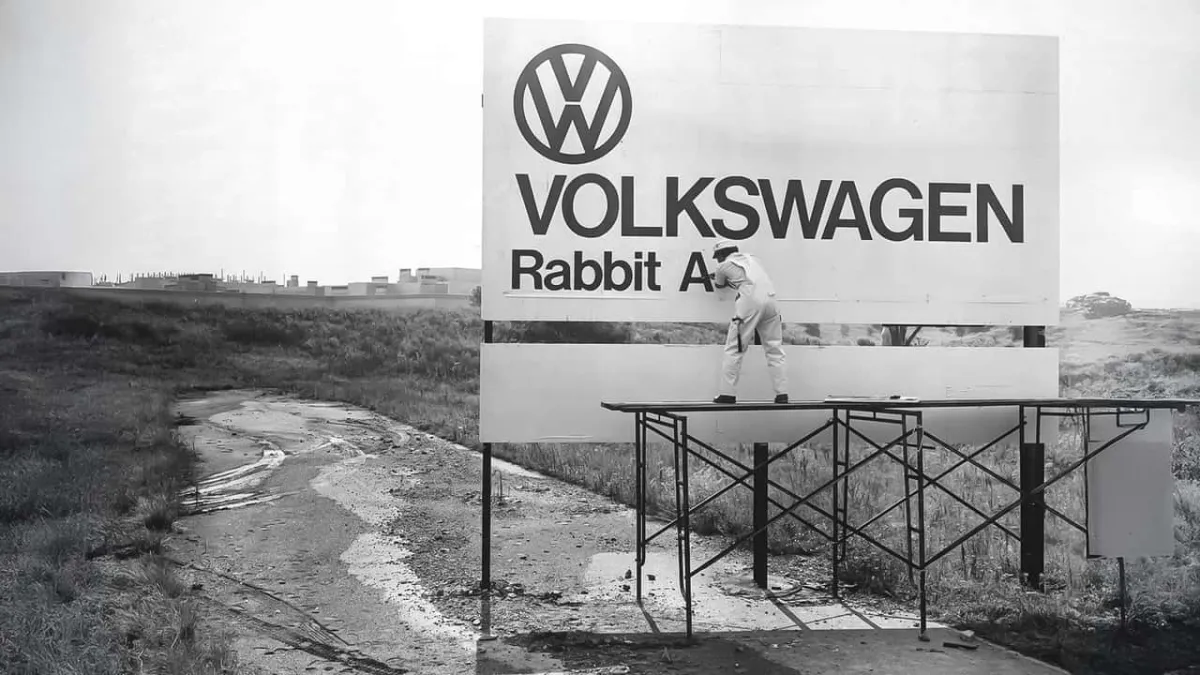
BERLIN – The head of the Kiel Institute for the World Economy, a leading German economist, surprisingly suggested that selling some or all shares of the giant automotive manufacturer Volkswagen to Chinese investors would not be a bad idea. This statement was made recently in 2026, sparking a heated debate about Germany's industrial identity and economic strategy amidst increasingly fierce global competition.
This radical view rests on the belief that the true essence lies in maintaining production capacity and jobs in Germany, not in the identity of ownership. According to the economist, as long as production facilities continue to operate on German soil and make a real contribution to the local economy, the origin of ownership can be secondary.
The argument highlights a paradigm shift in the global economy, where foreign direct investment (FDI) from developing countries, especially China, is becoming increasingly dominant. For some economists, this capital flow can be a catalyst for innovation and efficiency, regardless of who ultimately controls a company.
Volkswagen, as one of Germany's industrial icons and a pillar of the country's economy, has long been a symbol of engineering excellence and quality. The idea of ceding some control over such a large company to foreign entities, particularly from China, clearly provokes public and political resistance and anxiety.
However, the head of the Kiel Institute argues that fears of foreign ownership are often based on purely nationalistic sentiments, which can hinder economic opportunities. The focus should remain on value creation, technology transfer, and most importantly, the preservation of the domestic industrial base.
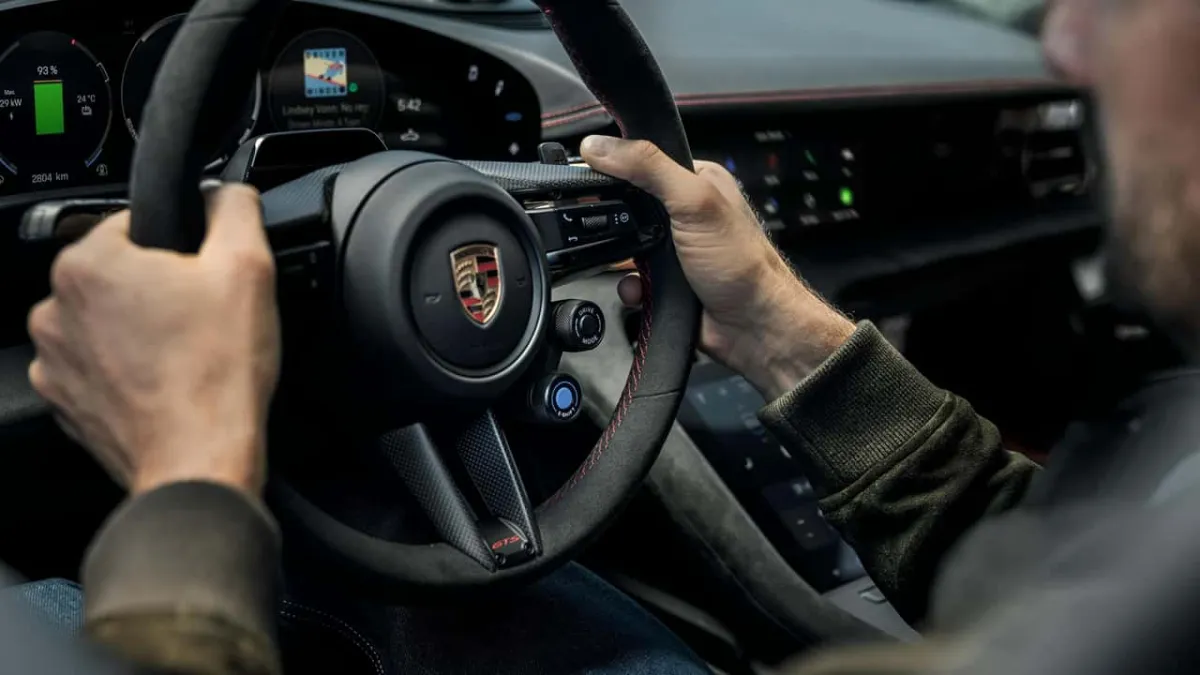
This statement comes amidst a turbulent automotive landscape, marked by the transition to electric vehicles and fierce competition from Asian manufacturers. Volkswagen itself continues to innovate, even reviving iconic models such as the Golf GTI Manual for a limited 2026 edition, demonstrating a commitment to heritage while adapting to the market.
On the other hand, German politicians and labor unions are likely to strongly oppose such an idea. Concerns about data security, strategic technology transfer, and potential loss of strategic autonomy will be key points of debate. They argue that national ownership is the last bastion protecting Germany's long-term interests.
This situation is also inseparable from Germany's overall economic condition. The country faces challenges such as the 2027 budget recording a deficit, as reported in the article Germany Locks 2027 Budget: Record Deficit, European Economy on the Brink?, which shows significant fiscal pressure.
Furthermore, proponents of foreign ownership argue that this pragmatic approach could open access to vast Chinese markets and crucial investment capital for future technological development. In the context of the automotive industry, where economies of scale are vital, such strategic partnerships could be decisive for survival.
In the era of economic globalization in 2026, where supply chains and capital ownership are increasingly complex, the issue of corporate identity becomes increasingly blurred. The fundamental question is: does the national identity of a company remain relevant when markets and production are global?
The debate over the future of Volkswagen, and more broadly, German industry, will continue. This is not just about economic figures, but also about identity, sovereignty, and Germany's long-term vision on an ever-changing world stage.
Editorial Insight: This provocative idea from the Kiel Institute reflects a deep dilemma faced by developed countries like Germany: balancing national identity with adopting global economic flexibility for sustainability. Decisions regarding the potential divestment of strategic assets like Volkswagen will not only shape the future of the automotive industry but also send a strong signal about the direction of German economic policy and its acceptance of investment from new economic powers like China. The impacts could be far-reaching, from technological innovation to job stability. This is a significant gamble that will test Germany's economic resilience and public sentiment.