 Stefani Rindus
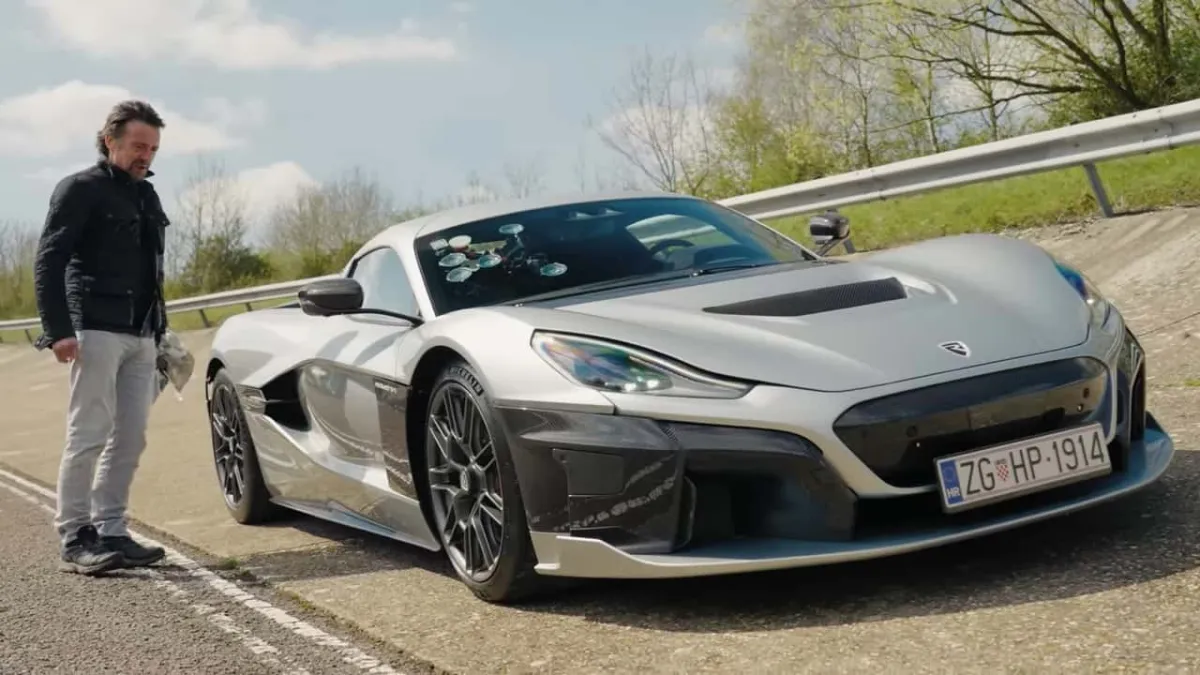
LONDON – Richard Hammond, legendary presenter of the automotive program Top Gear, has definitively rejected an offer from the British Broadcasting Corporation (BBC) to return to the show that made him famous. This decision, announced in 2026, marks a significant turning point for the future of Top Gear and underscores Hammond's determination not to revisit the past, but rather to push for innovation and a new direction for the production.
Hammond, widely known alongside Jeremy Clarkson and James May, left Top Gear in 2015 after a controversy involving Clarkson. They subsequently moved to Amazon Prime Video to launch their own automotive program, The Grand Tour, which successfully attracted millions of global viewers.
His refusal follows intense speculation regarding a potential reunion of the golden trio amid BBC's efforts to revitalize Top Gear. The national broadcaster is seeking the right formula to restore the glory of the once immensely popular show.
In an official statement, Hammond explained his reasons. 'I do not want to revisit the past,' he stated, 'I strongly believe that the new version of Top Gear must take a completely different direction.' This statement underlines his vision for the program, which he believes should not be bound by previous, outdated formats or personas.
Hammond's decision has come under scrutiny in the British television industry, especially amidst the challenges Top Gear has faced in recent years following the departure of its original trio. The show's ratings have fluctuated significantly, and the BBC continues to seek the right formula to re-engage its loyal fanbase and attract new audiences.
Hammond's bold move also reflects a trend among senior media figures who choose to explore new projects or maintain their creative independence. This indicates a prioritization of personal development over being tied to established formats.
Analysis suggests that this refusal may also be influenced by Hammond's commitments to other projects, including his personal YouTube channel and various television programs outside the BBC. His busy schedule likely played a decisive role in this strategic choice.
Loyal Top Gear fans have reacted to this decision with mixed emotions. Some are disappointed by the missed opportunity for a reunion of their idols, yet many also support Hammond's vision for the automotive show's renewal and evolution.
The automotive and media industries continue to monitor the BBC's next steps for Top Gear. Will they discover a revolutionary new face, or attempt to preserve classic elements with a more relevant modern touch?
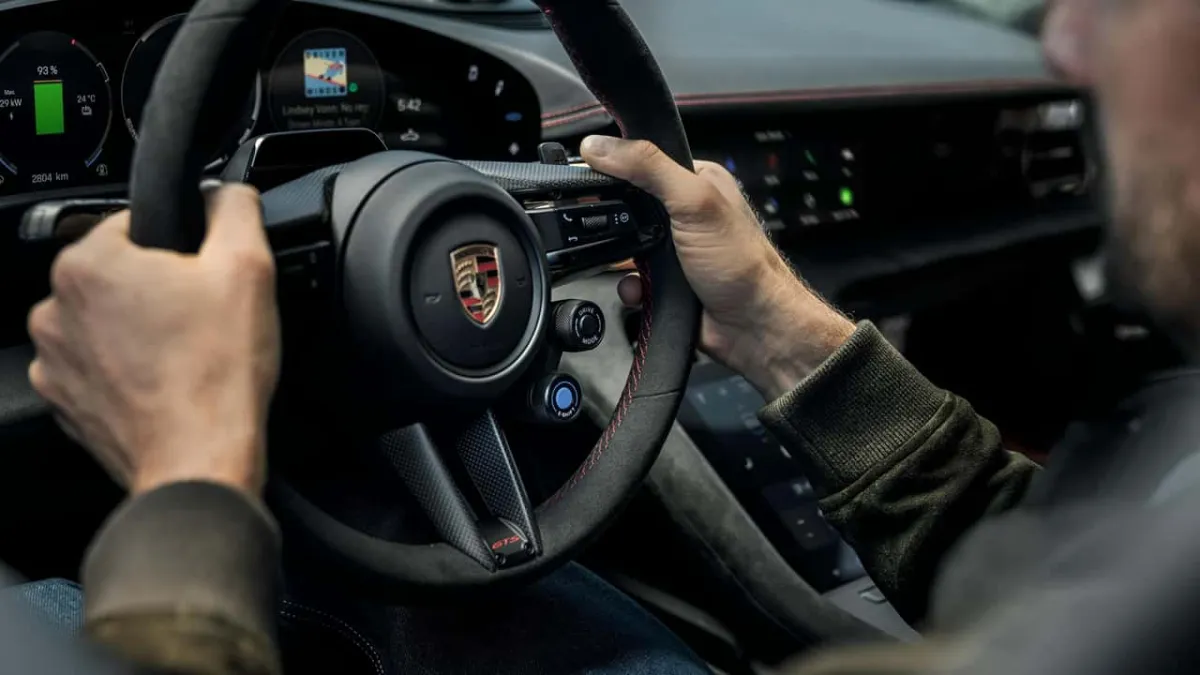
These developments occur amidst the increasingly complex dynamics of the automotive industry, with a strong focus on electric vehicles and autonomous technology. Perhaps Top Gear, under new guidance, needs to reflect this shift more deeply. This aligns with innovations such as breakthroughs in EV batteries without rare metals or Porsche's cockpit revolution, which mark a new era for vehicles and driving experiences.
Editorial Insight:
Richard Hammond's refusal to return to Top Gear is more than just personal news; it is a strong indication that the era of the old automotive program format at the BBC has ended. This decision compels the BBC to innovate radically, finding a new identity relevant to the constantly evolving media and automotive technology landscape of 2026. Otherwise, Top Gear's legacy may become increasingly difficult to sustain in the eyes of a global public hungry for fresh and revolutionary content.