 Chris Robert
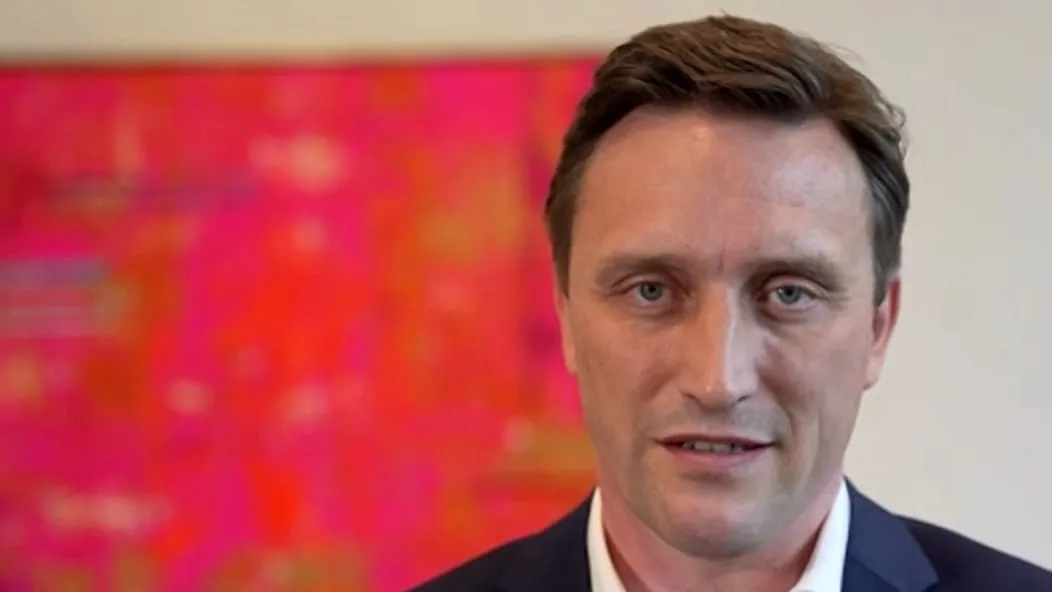
HANNOVER – The future of electricity tax reduction in Germany hangs in the balance in early 2026, causing widespread concern among politicians and the public. Sebastian Lechner, parliamentary group leader in the State of Lower Saxony, has unequivocally demanded that Finance Minister Lars Klingbeil promptly propose a concrete financing solution to salvage this crucial initiative. This pressure arises amidst budget uncertainties and broader economic implications, sparking fierce debate about national fiscal priorities.
Lechner did not hide his disappointment regarding the slow progress. He stated, 'I expect the Minister of Finance to propose a solution,' emphasizing the need for swift and effective action. This statement reflects deep anxiety within the Lower Saxony Parliament, which foresees potential increases in cost burdens for households and the industrial sector if electricity tax reforms fail to materialize.
Reducing electricity tax was a significant promise aimed at alleviating the economic burden on society. With inflation still looming and energy costs fluctuating, this policy was expected to provide breathing room for consumers and enhance the competitiveness of German companies in a challenging global market.
This situation is exacerbated by Germany's internal political dynamics. The coalition government faces formidable challenges in balancing various fiscal interests while maintaining economic stability. Failure on such a critical issue could erode public trust and potentially trigger political turmoil.
Finance Minister Lars Klingbeil is now under intense scrutiny. The burden of finding alternative funding sources that do not strain the national budget or create new deficits is a complex task. Any proposed solution must be comprehensive, sustainable, and acceptable to various political factions.
Various financial options are being discussed, ranging from adjusting other budget line items to potentially utilizing emergency funds. However, each option carries political and economic consequences that need careful consideration to avoid creating new problems down the line.
Economic analysts are closely monitoring these developments, given Germany's importance as an economic powerhouse in Europe. Unstable fiscal policies in Germany could ripple across other European Union countries, affecting growth projections and the regional investment climate.
Pressure comes not only from parliament but also from industrial groups and consumer associations. They urge the government to fulfill its promise of electricity tax reduction, given its significant impact on business sustainability and public purchasing power, especially heading into the winter months when energy consumption is likely to rise.
Klingbeil and his team must formulate a strategic plan swiftly. Further delays will not only worsen the economic situation but could also trigger a crisis of confidence in the government's ability to manage strategic and responsive fiscal policies to meet the needs of its people.
The aspect of global macroeconomic stability is also a consideration. Although some institutions like Moody's predict Global Banking Ready for 2027: Moody's Predicts Strong Stability!, upheaval in major economies like Germany could alter that landscape. Therefore, resolving this electricity tax issue is not just a domestic matter but has global resonance.
Editorial Insight:
The electricity tax situation in Germany underscores a universal challenge faced by many developed nations: how to balance the demands of easing the burden on citizens, supporting economic growth, and maintaining fiscal discipline amidst global uncertainty. The solution proposed by the Finance Minister will serve as a crucial benchmark for the government's capability to respond to crises and uphold political promises. Its long-term implications will significantly shape Germany's energy and fiscal policies for the coming decade.