 Dodi Irawan
KARLSRUHE — Germany's Constitutional Court has re-affirmed the indispensable status of public service broadcasting as a cornerstone for upholding democracy in the nation, in a pivotal ruling early this year 2026. This decision follows a constitutional complaint filed by the two main public broadcasters, ARD and ZDF, concerning a dispute over the frozen increase in broadcasting fees, which threatened their financial and operational independence. The case highlights the complexity of state support for media while preserving journalistic autonomy.
The debate surrounding the funding model and legitimacy of public broadcasting has long been a sensitive issue in Germany. By 2026, the challenges of digitalization and changing media consumption patterns increasingly demand adaptation. This Federal Constitutional Court ruling emphasizes that press freedom, particularly from public broadcasters, is not merely supplementary but a vital foundation for ensuring a plurality of opinions and accurate information for society.
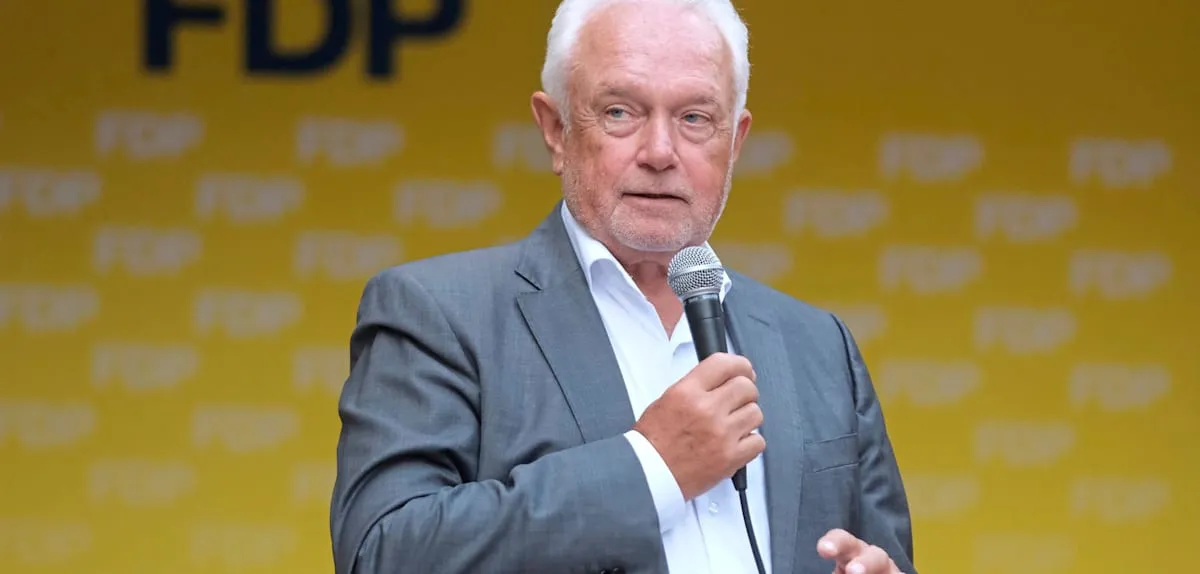
Professor Degenhart, a leading constitutional law expert, highlighted the specific conditions of this public broadcasting financing dispute. According to him, the conflict is not solely about figures but concerns the fundamental principle of how a democratic society ensures citizens' access to information undistorted by commercial or political interests. He stressed that a stable and independent funding model is an absolute prerequisite.
"Public broadcasting serves as a counterbalance to political and economic powers. Its role becomes increasingly crucial in an era of rampant disinformation," Professor Degenhart stated in his analysis. "Allowing this institution to be financially vulnerable is akin to weakening one of our democracy's most important defenses."
The ARD and ZDF complaint was triggered by the decision of several federal states to postpone or freeze a recommended increase in broadcasting fees. This move was feared to limit their ability to provide high-quality programming, conduct in-depth journalistic investigations, and reach all segments of society. This conflict reflects the tension between media autonomy and fiscal control by state governments.
In connection with global information challenges, this ruling is also relevant to the issue raised in the article "AI Revolution: 3,800 Global News Sites Produce Hoaxes, Authentic Media Threatened". Amidst a wave of hoaxes and fake news fueled by artificial intelligence technology, the existence of credible public broadcasting serves as a non-negotiable last bastion. They act as trusted validators of information.
Financial independence is at the heart of editorial independence. If public broadcasters are continuously threatened by budgetary uncertainty or political intervention in fee determination, their capacity to fulfill their constitutional mandate will erode. The Constitutional Court explicitly views this as a threat to their function in providing essential public services.
This decision is expected to provide legal clarity and stability for ARD and ZDF, allowing them to plan long-term strategies without the shadow of prolonged financial uncertainty. It also sends a strong signal to state governments that supporting public broadcasting is not an option, but a constitutional obligation.
The implications of this ruling extend beyond Germany's borders, offering lessons for other countries facing similar dilemmas in supporting independent media. In an increasingly fragmented and polarized global media landscape, the role of public broadcasting in framing a coherent national narrative and providing a healthy forum for debate becomes even more valuable.
Political experts also weigh the implications of this ruling on Germany's political dynamics in 2026. As illustrated in the discussion "Top German Political Scientist Challenges Coalition Principle: Threat to Stability 2026?", institutional stability is key. Support for public broadcasting can be seen as an effort to strengthen institutional foundations amidst potential political upheavals or policy shifts.
The general public awaits concrete steps from the government and broadcasters following this ruling. How fee adjustments will be implemented, and how transparency in fund usage will be enhanced, remain crucial questions. Public trust in public broadcasting depends on their effectiveness and accountability.
Overall, this decision by the German Constitutional Court marks a significant milestone. It not only protects the public broadcasting financing model but also reaffirms Germany's fundamental commitment to a robust and diverse media ecosystem, essential for maintaining the vitality of democracy in a challenging modern era.