 Angela Stefani
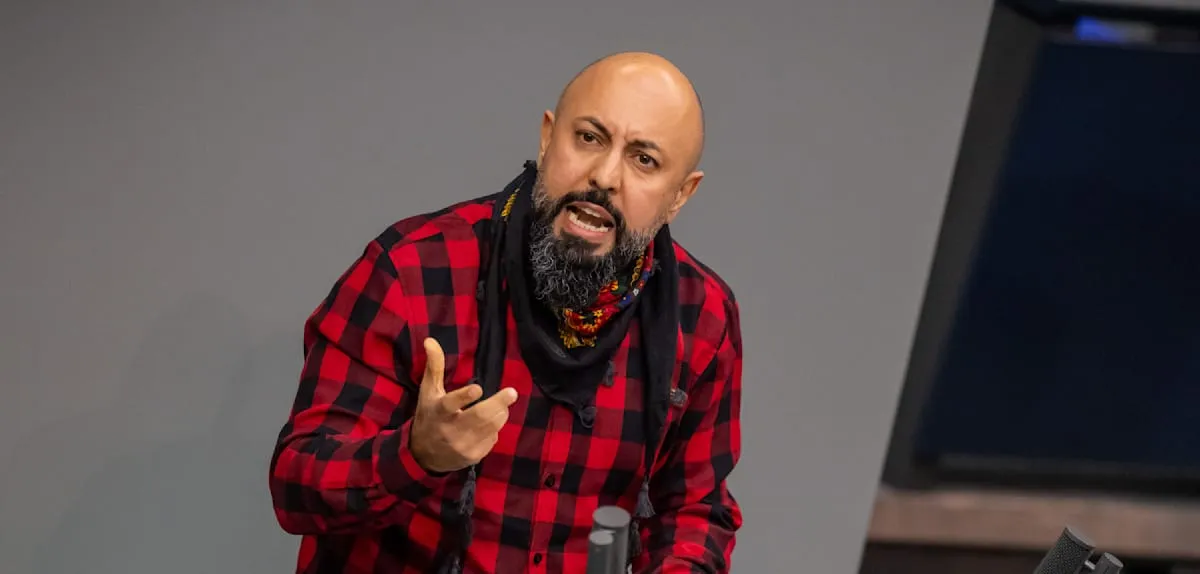
BERLIN – The German Left Party (Die Linke) politician, Ferat Kocak, surprisingly announced his resignation from the Bundestag Interior Committee, following a series of fierce debates regarding his alleged proximity to members of criminal clans. This decision, communicated directly by Kocak, is expected to ease political tensions and maintain the integrity of Germany's legislative institution.
Kocak, known as a progressive voice from the Left Party, has been the focus of media and public attention for the past several weeks. The emergence of issues concerning his potential affiliation with groups suspected of having criminal backgrounds has sparked a wave of criticism and pressure from various political spectra. The German parliament, the Bundestag, is known to be very strict in maintaining the ethical standards of its members.
Internal sources from Die Linke confirmed that Kocak will fully relinquish his seat on the Bundestag Interior Committee. This statement underscores his commitment not to be a burden to his party amidst the swirl of controversy. This resignation is a direct response to the escalating public debate, particularly on social media and political forums.
The Bundestag Interior Committee is one of the most crucial bodies in Germany's parliamentary structure. This committee is responsible for domestic security, policing, immigration, and constitutional protection. Membership on this committee demands a high level of trust and integrity, given the sensitivity of the issues it handles.
The alleged proximity of Ferat Kocak to criminal clans is a serious concern because the issue of criminal clans in Germany is a complex national security problem. These groups are often associated with organized crime, ranging from drug trafficking to money laundering, which can potentially damage the country's social and legal order. The presence of a politician directly or indirectly affiliated with such groups is considered dangerous.
The Left Party, which traditionally champions social justice and transparency, now faces a serious challenge. Kocak's resignation, although a personal act, will undoubtedly reflect the party's commitment to these principles. This incident has the potential to affect the party's image ahead of upcoming elections.
Kocak's decision also sparked a broader discussion among political analysts and the public regarding the accountability of public officials. Many argue that this action demonstrates self-awareness and moral responsibility, while others might view it as an indirect admission of an underlying issue.
The political context in Germany is indeed very sensitive to issues of integrity, especially after various past scandals. With this resignation, Kocak hopes to end speculation and allow the Interior Committee to continue its work without distraction. The process of replacing his position on the committee will soon be discussed by the Left Party parliamentary group.
Although the news source does not detail the exact nature of Kocak's alleged proximity to criminal clans, the fact that the issue was strong enough to trigger the resignation of a senior politician indicates the gravity of the accusations leveled against him. Further investigation may be needed to clarify the situation fully, but Kocak has taken proactive steps.
This resignation also sends a strong message to other politicians in Germany about the importance of maintaining distance from entities that could erode public trust. It reaffirms that integrity is an invaluable political currency, especially in a country that upholds the rule of law and democracy.
Editorial Insight: Ferat Kocak's decision to resign from the Bundestag Interior Committee is a significant step that demonstrates the strong pressure for political accountability in Germany. This incident not only reflects the sensitivity of criminal clan issues within the national security landscape but also affirms that transparency and integrity are inseparable prerequisites for every public official. Going forward, the Left Party must work hard to restore public trust and ensure that similar incidents do not recur, while continuing to champion its progressive agenda. This is an important moment for the Bundestag to review its ethical standards.