 Robert Andrison
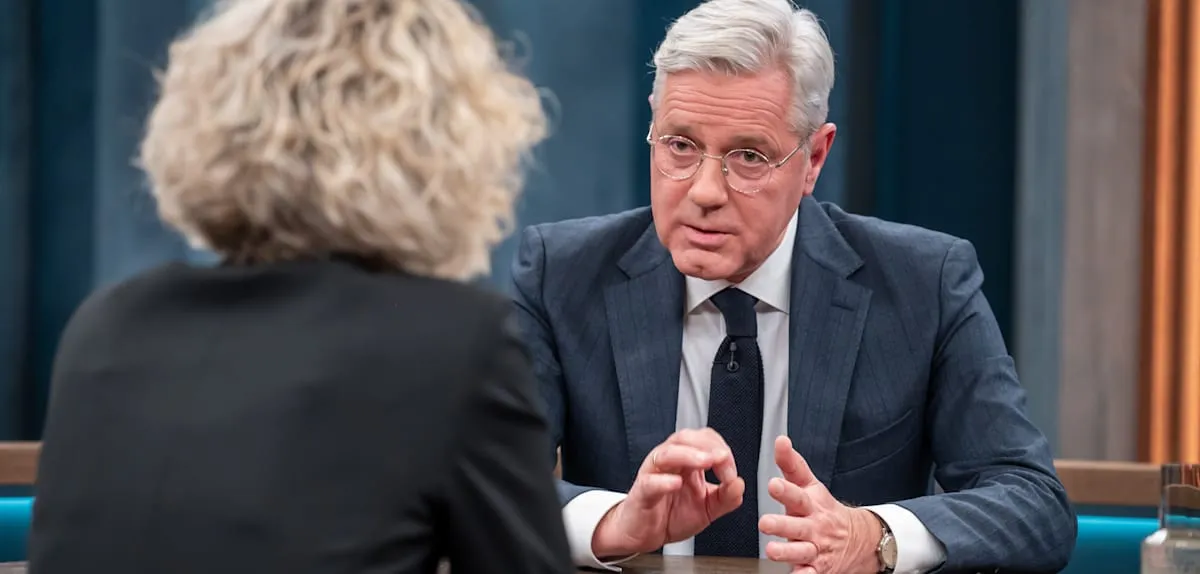
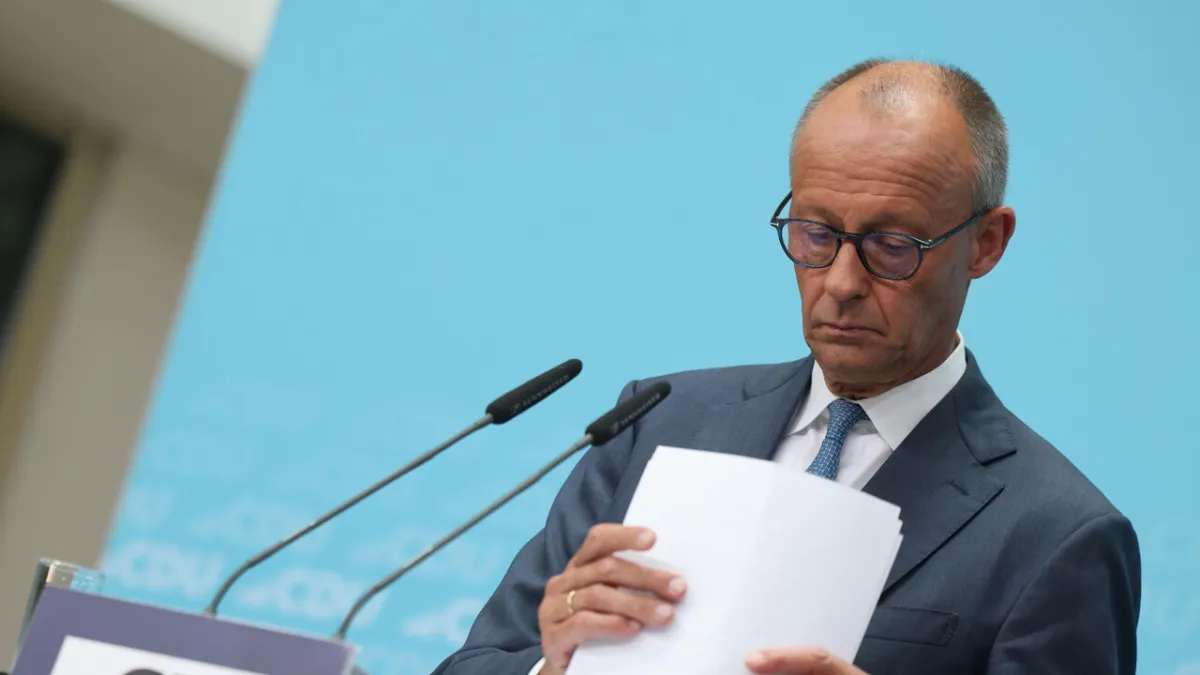
BERLIN – Deputy Chairman of Germany's Union parliamentary group, Norbert Rottgen, has sharply criticized the Alternative for Germany (AfD) party, labeling them open collaborators of this war criminal during a recent Caren Miosga program. This fierce condemnation emerged amidst a heated debate regarding Germany's position in the escalating Eastern European conflict and its complex relationship with Russia, following former ambassador Wolfgang Ischinger's view that dialogue with Russian President Vladimir Putin might be futile but still holds strategic benefits.
Norbert Rottgen, a senior figure from the Christian Democratic Union (CDU), did not hesitate to use strong rhetoric to highlight what he perceives as the AfD's facilitation of the Kremlin's narrative. According to Rottgen, AfD's frequent opposition to sanctions against Russia and their skepticism towards supporting Ukraine implicitly back the ongoing aggression.
Their stance clearly constitutes support for aggression that has caused so much suffering, Rottgen asserted on the nationally televised program. This criticism intensifies internal political tensions in Germany, particularly ahead of upcoming elections, where the AfD continues to show increasing popularity.
Amidst the flurry of political statements, another perspective emerged from Wolfgang Ischinger, former German Ambassador to the United States and Chairman of the Munich Security Conference. Ischinger, a seasoned diplomat, offered a more nuanced analysis of interactions with the Kremlin.
He argued that while direct talks with Vladimir Putin might feel futile given his track record, channels of communication must remain open. Even conversations that yield no tangible progress can be important for understanding dynamics and preventing unintended escalation, Ischinger stated.
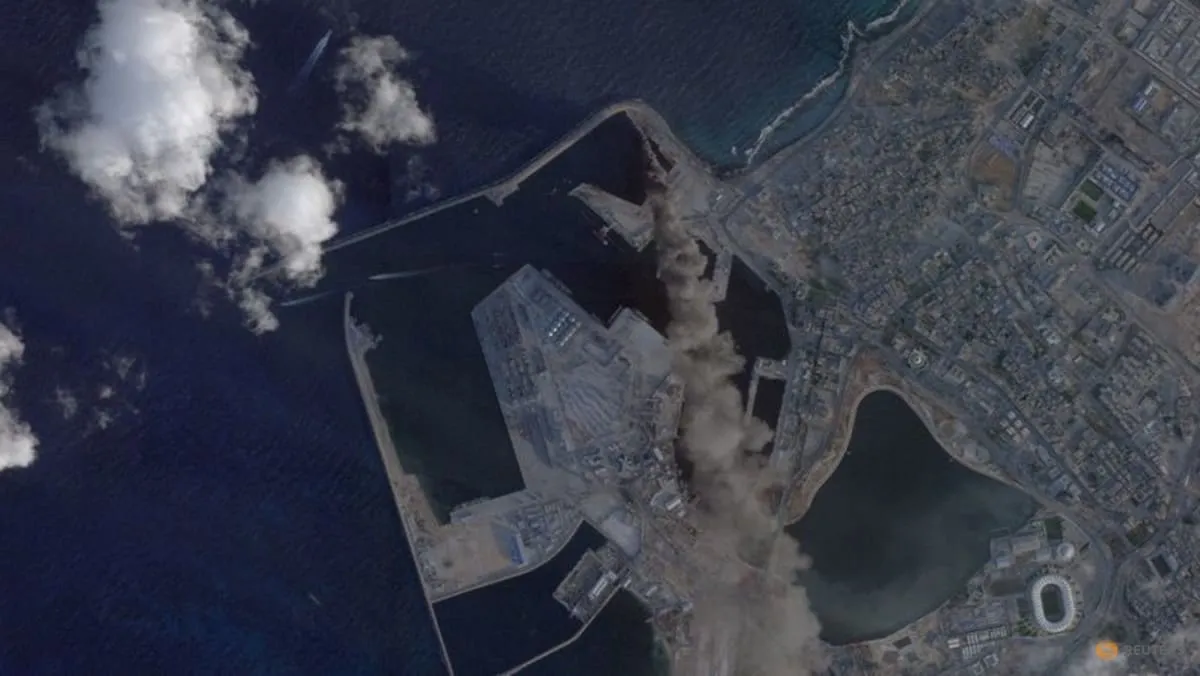
Ischinger's remarks underscore the dilemma of diplomacy in prolonged conflict. The Eastern European conflict, with Russia as a central actor, which has entered crucial years, continues to spark fierce debate on the international political and public stage. News related to attacks on Russian warships in the Mediterranean also indicates the expanding impact of this conflict. Readers can review developments in this conflict through the article Russian Warship Attacked in Benghazi: Ukraine Conflict Spreading to the Mediterranean?.
The AfD, long accused of having close ties to pro-Russian narratives, often positions itself as a party prioritizing German national interests over international alliances. This policy includes criticism of NATO and the European Union, as well as calls for more pragmatic relations with Moscow, despite sharp criticism from across other political spectra.
Rottgen's condemnation reflects deep concerns among established German parties about the AfD's influence and the potential shift in the country's foreign policy direction. The conflict in Ukraine, also discussed in reports such as Former Ukrainian Commander Rebuts US Criticism: Front Line Stable, Attacks Continue!, serves as a litmus test for European solidarity and commitment to democratic values.
This debate on Caren Miosga not only reveals ideological differences but also highlights how geopolitical issues can divide the domestic political landscape. Questions about whom to engage in dialogue and to what extent accommodation of political adversaries is permissible continue to be subjects of intense debate.
The current German government faces increasing pressure to balance support for its allies with maintaining economic stability and domestic security. Sharp rhetoric from politicians like Rottgen can be seen as an attempt to draw a clear line against political elements perceived to threaten the foundations of Germany's post-war foreign policy.
Editorial Insight: Norbert Rottgen's accusation of the AfD being 'collaborators of a war criminal' marks a significant rhetorical escalation in German politics. It not only demonstrates an extreme level of polarization but also highlights how deeply geopolitical conflict issues have permeated the domestic arena. For the AfD, this label could be a double-edged sword; strengthening their anti-establishment base while further isolating them from mainstream parties and moderate voters. On the other hand, Ischinger's view advocating dialogue, however bitter, serves as a reminder of the complexities of diplomacy that transcend harsh rhetoric—a crucial lesson for regional stability in this year 2026.