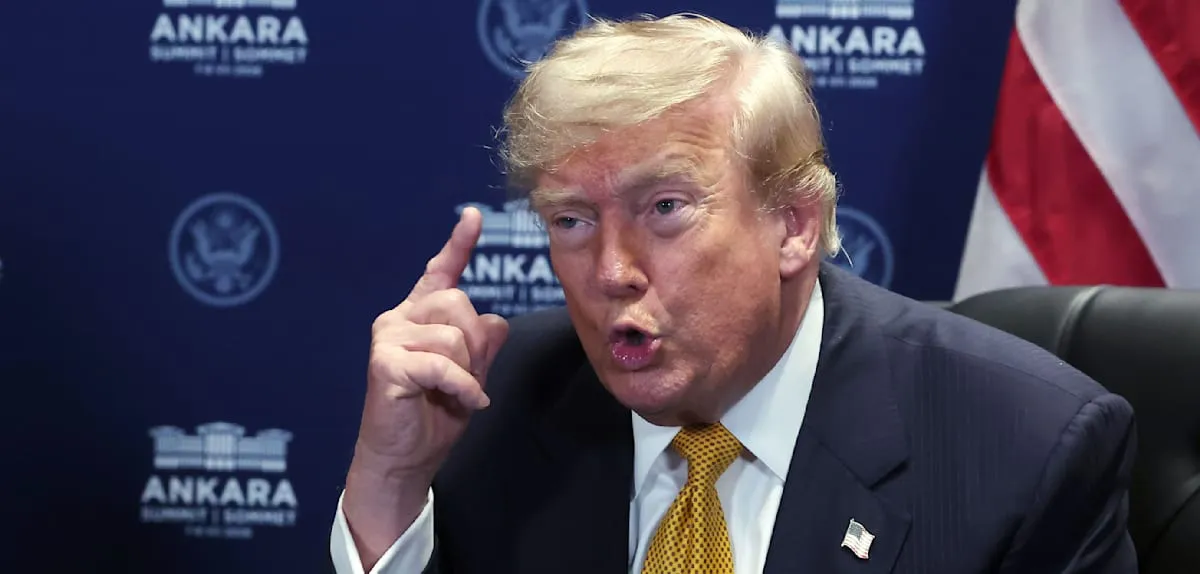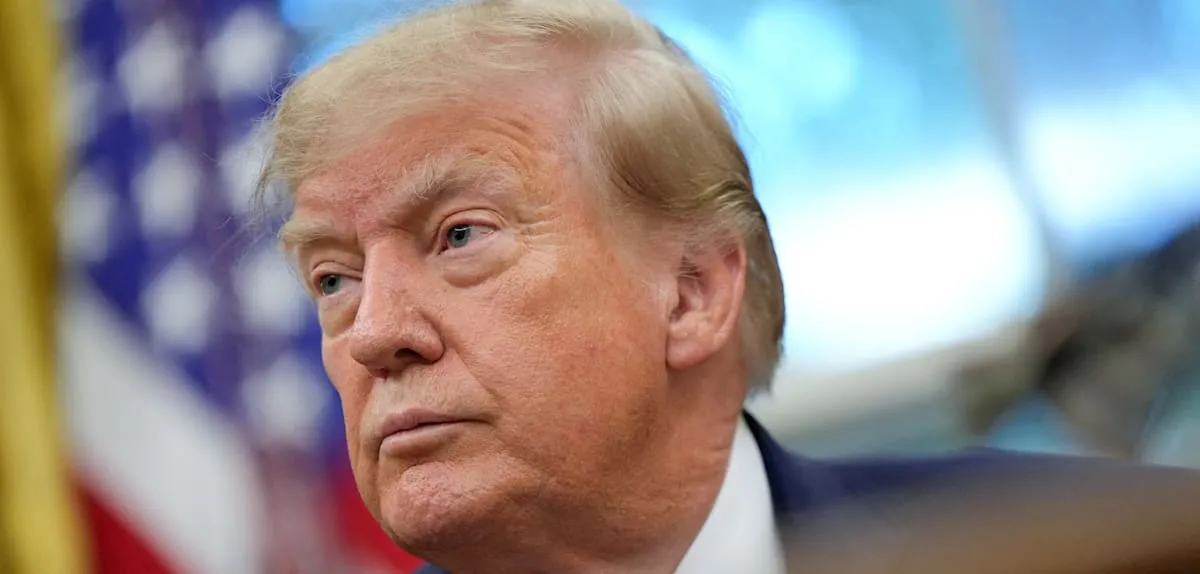
Washington – Speculation regarding a potential escalation of conflict in the Middle East has resurfaced following harsh statements by US President Donald Trump concerning stalled negotiations with Iran. Indications are growing stronger that the United States and Israel are preparing a new military strike against Tehran, subsequent to Trump's expression of frustration over negotiation tactics he labeled 'bullshit'.
The occupant of the Oval Office explicitly voiced his annoyance with Iran's approach at the negotiation table. According to him, the tactics employed by Tehran are insubstantial and merely a waste of time.
Trump's frustration is seen as a primary catalyst behind the escalating confrontational rhetoric. His statement directly implies the failure of diplomatic channels previously pursued to de-escalate regional tensions.
Several intelligence sources and reports from regional allies, who could not be named, indicate strategic movements and logistical preparations by the United States and Israel. This step could set a new precedent in the geopolitical dynamics of the region.
Tensions between the United States, Israel, and Iran are not new. The relationship between these three nations has long been marked by a series of economic sanctions, military threats, and disputes regarding Iran's nuclear program and its regional influence.
Trump, who returned to office as President in 2025, is known for his firm foreign policy approach and his willingness to take military action when deemed necessary. The rhetoric he unleashes often precedes significant moves on the global stage.
Conversely, Iran has consistently denied allegations that its nuclear program aims for weapon development. They maintain that these activities are purely for peaceful and energy purposes. The negotiation tactics labeled 'bullshit' by Trump likely refer to Iran's demands or stances deemed uncompromising by Washington.
Israel's role as a key US ally in the Middle East is also central to this issue. Tel Aviv has long viewed Iran's nuclear program as an existential threat and openly supports strong action against Tehran.
If a military strike indeed occurs, its consequences are predicted to be far-reaching, not only for the directly involved nations but also for global economic and political stability. World oil prices would likely surge dramatically, triggering recession fears.
The international community is currently monitoring every development with concern. Various parties are calling for de-escalation and a return to constructive negotiations to avert a large-scale armed conflict.
Editorial Insight: President Trump's explicit statement signifies a significant diplomatic failure. Washington's resolute stance, coupled with Tel Aviv's support, places the region on the brink of a highly perilous confrontation. The primary challenge now is to find an opening to prevent the outbreak of an open war whose impacts would be felt globally, extending beyond the geographical confines of the Middle East.