 Edward DP Situmorang
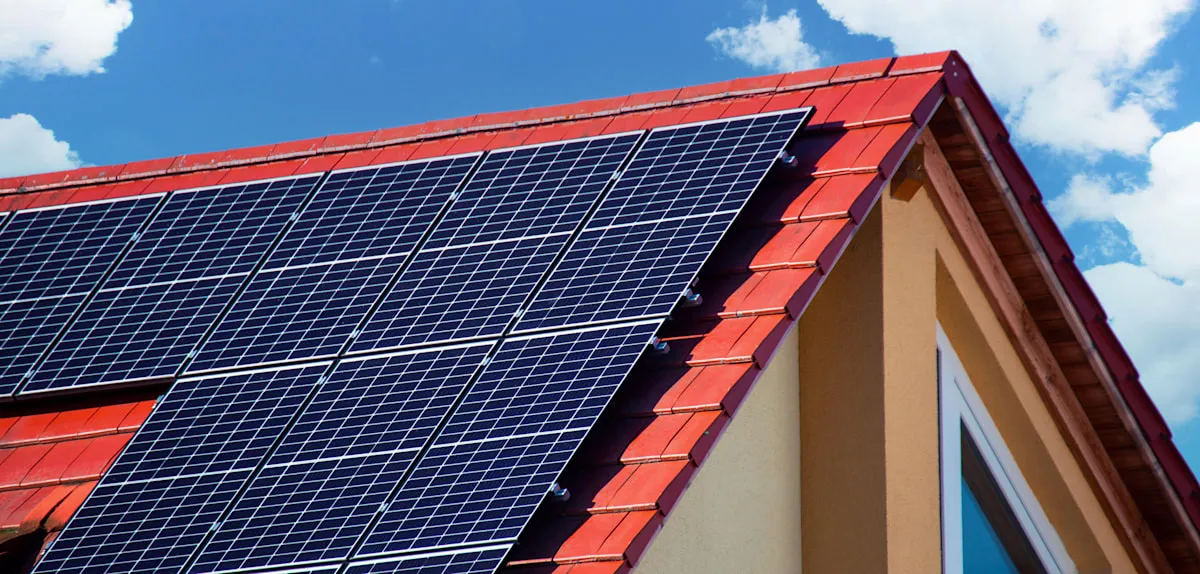
Berlin — The German government, through its latest renewable energy policy in 2026, has officially ceased its extensive subsidy scheme for residential solar panel installations. This decision, agreed upon as an integral part of the revised Renewable Energy Act (EEG), marks the end of the “solar money machine” era on rooftops, compelling property owners to promptly formulate innovative strategies to ensure their photovoltaic investments remain profitable.
This policy represents a significant step in Germany's energy transition, known as Energiewende. After years of providing generous financial support to encourage solar technology adoption, the government believes the sector has now reached sufficient maturity to compete without direct public funding intervention.
The new EEG regulation, according to the Ministry for Economic Affairs and Climate Action, aims to create a more efficient and self-reliant energy market. The focus shifts from high feed-in tariff-based incentives to optimizing self-consumption and energy storage at the household level.
Ministry spokesperson, Dr. Anya Müller, affirmed, “We have seen a drastic reduction in solar panel installation costs over the last decade. Investing in solar energy is now much more economical, even without generous initial subsidies. Our goal is to promote energy independence and system efficiency, no longer merely quantitative growth.”
For thousands of homeowners planning to install solar panels, the profitability formula has now changed. The primary key is no longer selling surplus electricity to the grid at a premium price, but rather maximizing the use of self-generated electricity. This concept significantly reduces household electricity bills.
Energy expert from the German Solar Industry Association (BSW Solar), Herr Klaus Richter, explained, “This new era demands homeowners become their own energy managers. The integration of battery storage systems is becoming crucial. With batteries, electricity generated during the day can be stored and used at night or when solar production is low, reducing reliance on grid electricity.”
In addition to self-consumption, homeowners can still sell excess electricity to the general grid. However, the prices offered will be more aligned with market values, not subsidized feed-in tariffs. This encourages innovation in energy management, such as the use of smart devices that optimize consumption according to solar production.
Decreasing prices of solar modules and other supporting components also play a vital role. Since 2010, photovoltaic installation costs have shrunk by over 70 percent, making initial investments far more affordable and payback periods shorter, even without subsidy incentives.
A homeowner in Munich, Frau Lena Schmidt, who recently installed a solar system without subsidies, shared her experience. “Initially, I was concerned, but after consulting with experts, I realized that with a battery system and smart setup, my monthly electricity bill savings are substantial. This is a long-term investment in my family's energy independence.”
The German government hopes this policy change will drive the renewable energy sector towards a more sustainable and market-based business model. A focus on technological innovation, system efficiency, and consumer self-reliance is expected to be the main pillar of future growth.
This step also aligns with Germany's commitment to achieving its aggressive decarbonization targets. By reducing dependence on fossil fuels, solar energy will continue to play a central role, albeit with different funding mechanisms.
This transformation is not only a challenge but also an opportunity for energy solution providers to develop more innovative products and services, such as smart energy management systems, cheaper storage solutions, and comprehensive energy consulting services.
For homeowners, expert advice is to conduct a professional energy audit. This helps understand electricity consumption patterns, determine the optimal size of the solar system, and evaluate the feasibility of battery investment to maximize profitability under this new scheme. The era of solar energy in Germany is indeed changing, but its potential to provide profit and energy independence remains solid.
In the future, deeper integration with electric vehicles and heat pump heating systems will also be part of this “new formula,” creating an integrated and highly efficient household energy ecosystem.