 Angela Stefani
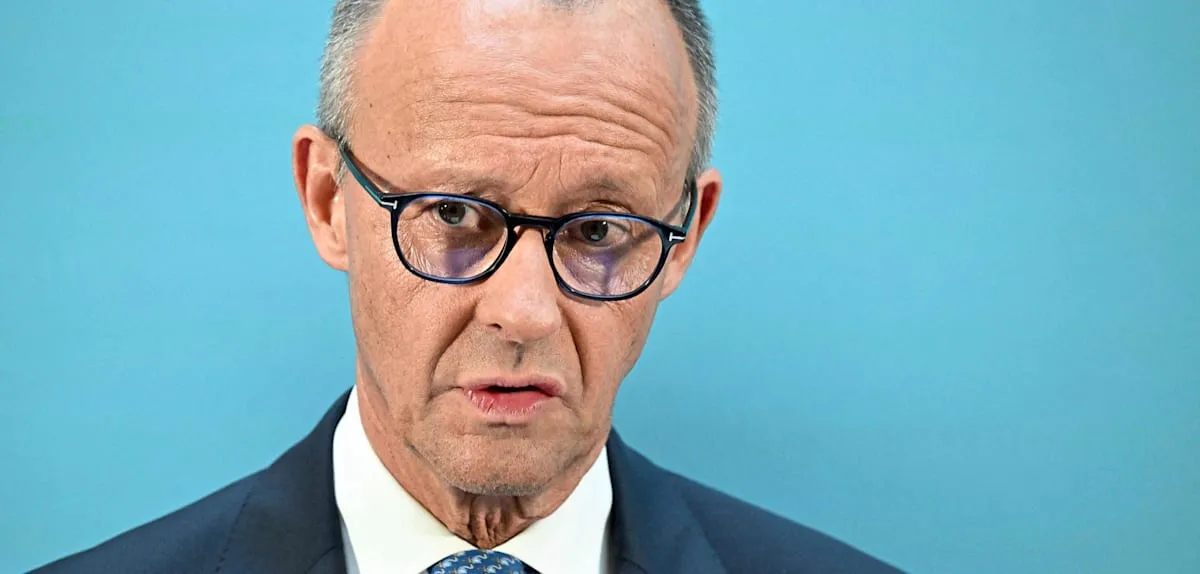
Berlin – The German government, through Chancellor Friedrich Merz, has vehemently condemned remarks made by Israeli National Security Minister Itamar Ben-Gvir, who called for killings in the Gaza Strip. Berlin's firm stance follows an escalation of rhetoric deemed highly alarming and contrary to universal humanitarian principles. The statement has triggered a wave of sharp criticism from various international parties, including from one of Israel's significant allies.
Merz's condemnation reflects the profound concern of the German government over the ongoing conflict's impact in the Palestinian territories. Ben-Gvir's call for extreme violent acts is considered likely to exacerbate the already dire humanitarian situation and potentially lead to broader violations of international law.
We deem such calls to be profoundly inhumane and barbaric acts, Merz stated at a press conference in Berlin, emphasizing that his government rejects all forms of rhetoric leading to violence and the destruction of lives. He affirmed that his government's position is to uphold international law and humanitarian values.
This reaction from Berlin also marks a growing diplomatic rift between the two nations. Although Germany historically maintains strong ties with Israel, particularly due to its moral responsibility post-Holocaust, Berlin does not hesitate to voice criticism when fundamental humanitarian principles are threatened.
Ben-Gvir's statements, identified by many observers as those of an extreme right-wing politician, are not his first to spark controversy. Since taking office, he has frequently made provocative remarks that draw condemnation. This situation adds pressure on Israeli Prime Minister Benjamin Netanyahu's government amidst a volatile regional crisis.
According to several international media reports, Minister Ben-Gvir's calls aim to instigate more aggressive military actions, far exceeding legitimate self-defense operations. This analysis raises concerns that the Gaza conflict will become further uncontrolled, leading to more civilian casualties.
The current tensions in the Middle East, with Gaza as one of its epicenters, demand a prudent diplomatic approach and consistent enforcement of international law. Major nations like Germany play a crucial role in fostering dialogue and rejecting extremist rhetoric from any party.
The impact of Ben-Gvir's statement is potentially far-reaching, not just in the political arena but also socially. It could heighten polarization, fuel anti-Israel sentiment in Europe, and complicate ongoing peace mediation efforts. Global human rights advocates urge the international community to take a firm stand against such hate speech.
The German government also recognizes that responding to such statements is crucial for maintaining its credibility as an enforcer of international law and a defender of human rights. A clear distancing from Ben-Gvir sends an important message to the world that Germany will not tolerate rhetoric that threatens human life and dignity.
Chancellor Merz reiterated Germany's commitment to a peaceful and sustainable two-state solution for the Israeli-Palestinian conflict. This view often contrasts sharply with the hardline stances expressed by some current members of the Israeli government.
This incident also brings to mind internal political dynamics within Germany itself, where issues of racism and right-wing extremism are often under scrutiny. For instance, news regarding Scandal of Racism Rocks Berlin indicates the high sensitivity of German society to issues of discrimination and hate speech.
The German government calls on all parties to exercise restraint from actions and statements that could worsen the situation. The primary priorities are the protection of civilians, the delivery of humanitarian aid, and the search for a path towards lasting peace.
Editorial Insight:
Chancellor Merz's strong condemnation of Minister Ben-Gvir is a strategic diplomatic maneuver that reasserts Germany's moral standing on the global stage. This step demonstrates that Germany's traditional support for Israel is not a blank cheque, but rather contingent upon humanitarian principles and international law. This incident will likely deepen the rift in bilateral relations while simultaneously increasing international pressure on Israel to reconsider its hardline rhetoric and policies in Gaza.