 Chris Robert
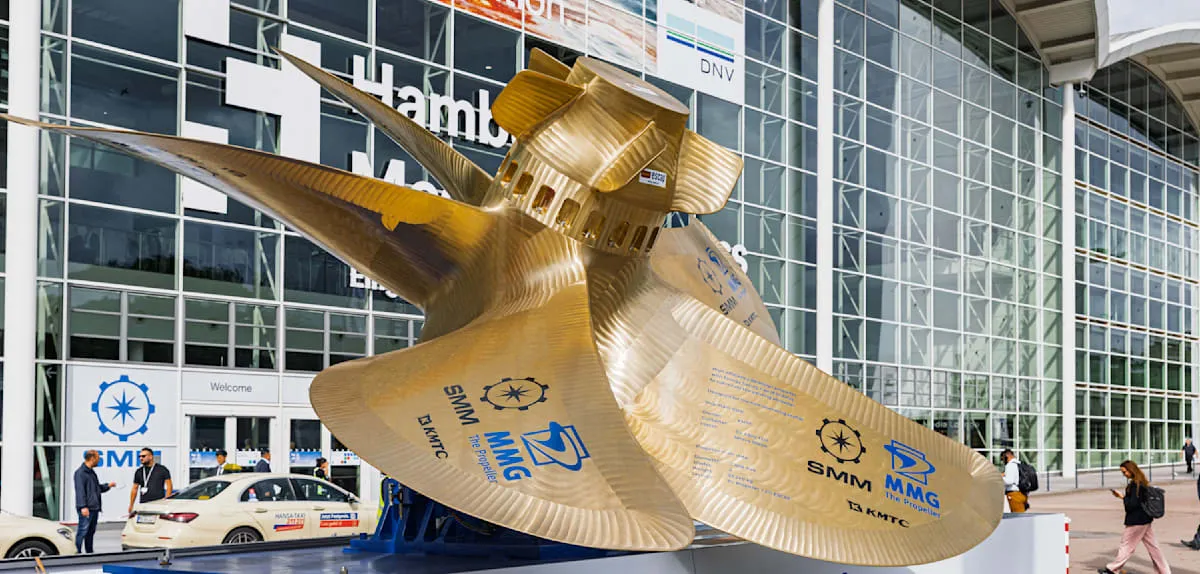
HAMBURG – The strong bond between Germanys shipping industry and Chinas shipbuilding sector once again took center stage at the premier global maritime trade fair, SMM (Shipping, Machinery and Marine Technology) in Hamburg in 2026. This economic collaboration was vividly displayed, eroding political tensions and trade dissonances that often characterize the two nations relations in other spheres, affirming pragmatism within the maritime sector. Delegates from various countries witnessed how this partnership continues to strengthen, dispelling narratives of conflict and focusing on mutual benefits.
The SMM exhibition, regularly held in the strategic port city of Hamburg, Germany, consistently serves as a vital barometer for the health and direction of the global maritime industry. This year, substantial participation from both Chinese and German companies highlighted a depth of integration rarely seen in other sectors.
This symbiotic relationship has been long-standing, with Germany being one of the largest users of Chinese shipyards for building and maintaining their fleets. Conversely, China heavily relies on advanced German maritime technology, ranging from propulsion systems to high-precision navigation equipment.
Both nations economies derive significant benefits from this strategic partnership. The German shipping industry gains access to efficient production capacities and competitive costs in China, while Chinese companies acquire technical expertise and innovation that drive the modernization of their maritime sector.
Industry observers suggest that SMM 2026 serves as tangible proof that economic interests can transcend ideological differences or geopolitical rivalries. When it comes to core business in the maritime sector, the need for efficiency and reliability takes precedence for both Germany and China, a maritime market analyst stated during a panel discussion at the fair.
The interactions in Hamburg were distinctly apolitical. Instead, the primary focus was on sustainable technology development, digital solutions for maritime logistics, and innovative strategies to meet increasingly stringent global emission regulations. Environmental issues and operational efficiency acted as catalysts for deeper collaboration.
Companies from both sides actively forged new agreements and partnerships, expanding the scope of collaboration from commercial vessel construction to specialized ships and offshore technology. This includes knowledge transfer and joint research to create future maritime solutions.
Hamburgs significance as Germanys maritime gateway cannot be understated. The city provides a neutral and professional platform for these two maritime giants to meet, negotiate, and strengthen trade relations, irrespective of potentially divisive issues at the governmental level.
The exhibition also served as a venue to showcase the latest innovations. Several German companies introduced advanced automation systems, while Chinese delegates highlighted their advancements in hydrogen-powered vessel construction and electric propulsion systems, opening opportunities for further technological synergy.
The success of SMM 2026 in bringing together the German and Chinese shipbuilding industries reflects that even amidst global challenges, essential business sectors continue to seek avenues for cooperation for mutual progress and the stability of global supply chains.
Editorial Insight: The robust Germany-China maritime partnership, as demonstrated at SMM Hamburg, offers a crucial lesson on the limits of geopolitical influence over real economic dynamics. While political tensions often dominate headlines, the underlying need for supplies, technology, and markets continues to drive cross-border collaboration. Moving forward, the ability to balance economic interests with political pressures will be key to the sustainability of this relationship and to stabilizing the critical global maritime industry.