 Angela Stefani
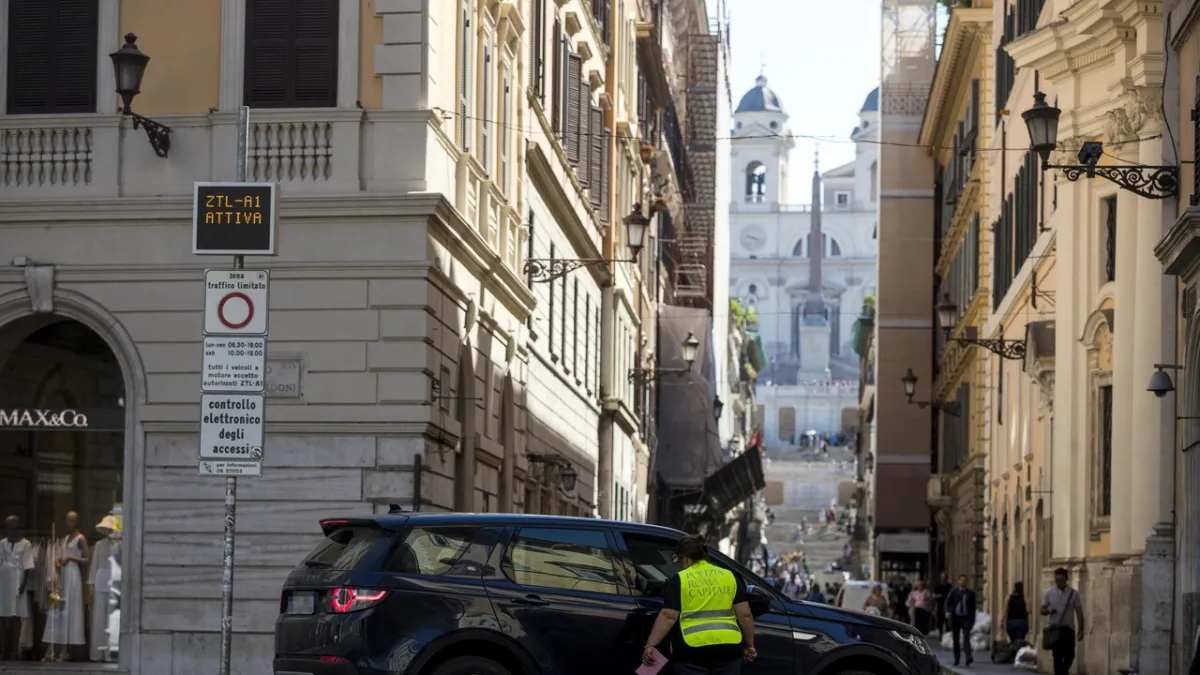
ROME – Italian Infrastructure Minister Matteo Salvini is set to propose a decree to postpone the implementation of the Euro 5 diesel vehicle ban. This policy, originally slated to come into effect soon, is now suggested to be deferred until the end of 2027. The move aims to provide significant relief for hundreds of thousands of vehicle owners across the nation.
Salvini, who also serves as Italy's Deputy Prime Minister, made the announcement, highlighting the urgent economic and social situation faced by many citizens. The postponement decree is scheduled for discussion at the next cabinet meeting, signaling the government's commitment to addressing public concerns.
This is an effort to give oxygen to hundreds of thousands of people throughout 2027, Salvini stated, explaining the rationale behind his decision. This declaration underscores that the delay is not merely a temporary measure but a strategy to alleviate the burden on the populace.
The Euro 5 diesel vehicle ban is part of Italy's broader efforts to comply with stricter European Union emission standards, aligning with global sustainability agendas and environmental protection. However, the policy's implementation has triggered widespread apprehension regarding its impact on household economies and the transport sector.
Many argue that an abrupt enforcement of the ban without adequate preparation could lead to economic dislocation. Thousands of drivers, particularly in major cities, remain heavily reliant on Euro 5 diesel vehicles for daily activities, from work commutes to logistical needs.
Europe's dynamic economic conditions, coupled with fluctuating fuel prices, further complicate the situation for citizens. A related article, European Fuel Prices Soar, German Climate Policy at a Crossroads (https://cognitodaily.com/read/bahan-bakar-eropa-melonjak-tajam-kebijakan-iklim-jerman-di-persimpangan-jalan), highlights similar challenges faced by neighboring countries.
The Italian government, led by Prime Minister Georgia Meloni, faces pressure to balance environmental commitments with the economic realities of its citizens. This postponement reflects a pragmatic approach to tackle this complex issue.
The decision is expected to be welcomed by transport unions and automotive associations, which have actively voiced objections to the ban's implementation schedule. They argue that citizens require more time and incentives to transition to greener vehicles.
Nevertheless, some environmental activist groups will likely express disappointment. They view the postponement as a setback in efforts to achieve agreed-upon national and European carbon emission reduction targets.
The controversy surrounding the Euro 5 diesel ban is not exclusive to Italy; it remains a heated topic across various other European nations. The debate revolves around the pace of energy transition and the readiness of infrastructure to support a massive shift away from fossil fuels.
The upcoming cabinet meeting will be a crucial determinant for the fate of thousands of vehicles and livelihoods in Italy. The decision made will send a strong signal regarding the government's priorities in navigating the complexities of environmental and economic policies.
Salvini, as the leader of the Lega party with a strong support base among workers and small business owners, is seen as taking a politically advantageous populist step. This policy has the potential to boost his popularity ahead of important future political agendas.
Editorial Insight: Matteo Salvini's postponement of the Euro 5 diesel ban in Italy illustrates the perennial dilemma between environmental aspirations and economic realities. While offering a reprieve to citizens, this move risks slowing Italy's green energy transition and may draw criticism from the European Union. Long-term solutions demand substantial investment in public transport and sustainable vehicle conversion incentives.