 Gabriella
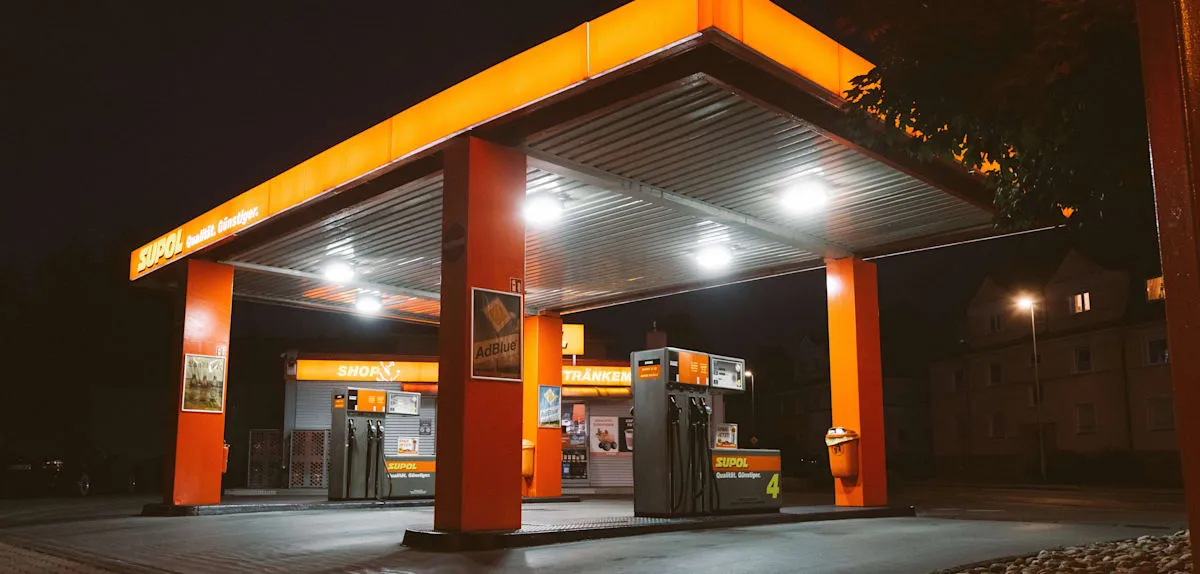
GERMANY — A shocking report from ADAC, Europe's largest automotive association, has stirred public discourse in Germany in 2026. The results of a comprehensive inspection of rest stops across the country revealed a drastic decline in quality, with sanitation facilities being the primary concern due to their deplorable state. These findings have sparked serious worries about the comfort and health of travelers on major routes.
ADAC, known for its independent tests and evaluations, conducted an in-depth survey covering various aspects of hundreds of rest stops. From building conditions, cleanliness levels, orderliness, to toilet functionality, every detail was meticulously examined. The testers reportedly expressed shock at the reality on the ground, which fell far short of the expected standards for one of Europe's developed nations.
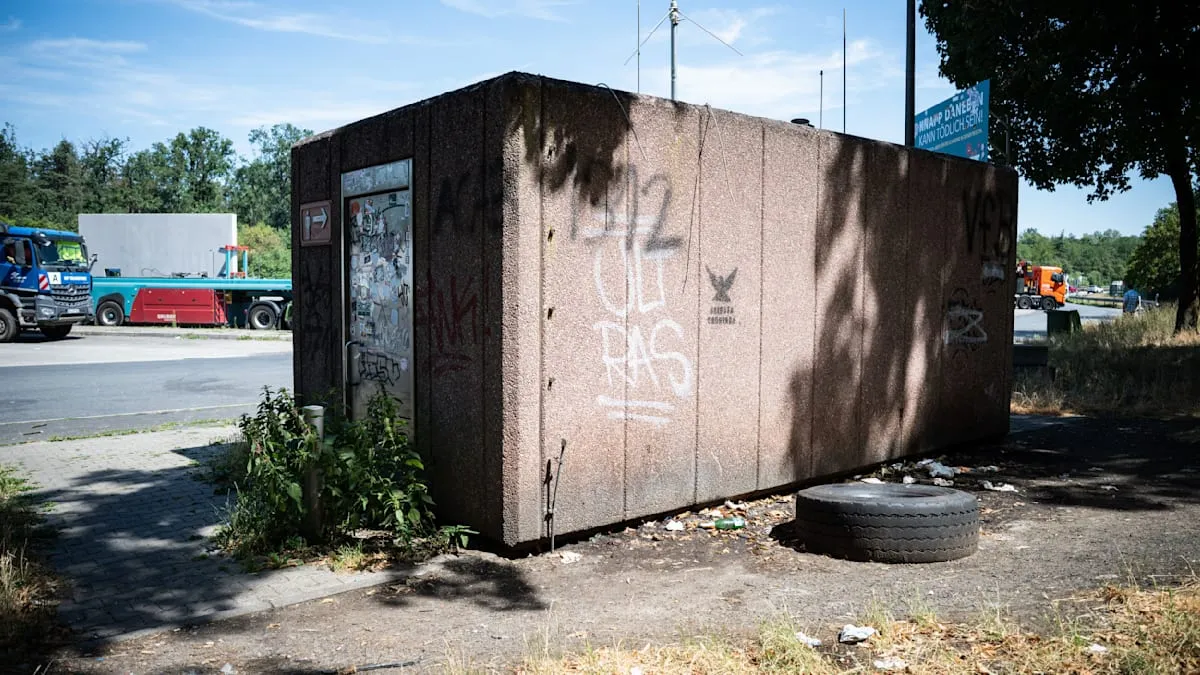
“The biggest problem, without a doubt, is sanitation,” stated an ADAC spokesperson during a virtual press conference held in mid-February 2026. They added that many toilets were found to be dirty, poorly maintained, and some were even completely out of order. This situation creates an unpleasant experience for road users in need of basic facilities.
ADAC's report details how rest stops, which are supposed to serve as oases for drivers to rest and refresh themselves, often turn into sources of disappointment. Poor hygiene not only reduces comfort but also potentially poses public health issues. These findings serve as an important reminder of the need for investment and maintenance of public infrastructure.
Not only the toilets, but also general cleanliness and orderliness in rest areas received poor ratings. Litter scattered, damaged facilities, and a lack of routine maintenance were common sights in many locations. This condition directly affects the image of Germany's domestic tourism and the experience of international tourists traversing the country.
Public reaction to the report has been varied, but mostly expressed disappointment and demands for immediate action from the government and operators. Many German citizens feel that basic infrastructure like rest stops should be a priority and receive proper attention, given their vital role in supporting mobility and the economy.
As previously reported by CognitoDaily regarding the CDU Berlin's proposal to empower welfare recipients to help clean the city, the issue of cleanliness and public facility maintenance is indeed a hot topic of debate. This ADAC report reinforces the argument that cleanliness problems are not confined to urban areas but also extend to vital facilities on highways.
Tourism and infrastructure experts are calling for better coordination between the federal government, state governments, and private operators to address this decline. They propose allocating specific funds for renovation and maintenance, as well as increasing the frequency of inspections to ensure cleanliness and functionality standards are met sustainably.
Poor facility conditions can also impact road safety. Drivers who are reluctant to stop at rest areas due to deteriorating sanitation may continue driving while fatigued, increasing the risk of accidents. ADAC emphasizes that clean and comfortable rest stops are an integral part of road safety.
As a follow-up, ADAC plans to continue monitoring the situation and collaborate with relevant parties to encourage positive changes. The association hopes that its report will serve as a catalyst for comprehensive improvements for the comfort and well-being of millions of drivers who rely on rest stops across Germany in the coming years.
This phenomenon also raises questions about the financing and management models of rest stops in Germany. Is the current public investment adequate, or is a long-term strategic adjustment needed? This issue requires serious attention from stakeholders to prevent further degradation and restore public trust in the quality of the nation's infrastructure.
With this candid report, ADAC not only highlights a problem but also invites a national discussion on how Germany can maintain and enhance the quality of its public services. The hope is that these findings will spur significant and lasting improvements to vital facilities along its roadways.