 Edward DP Situmorang
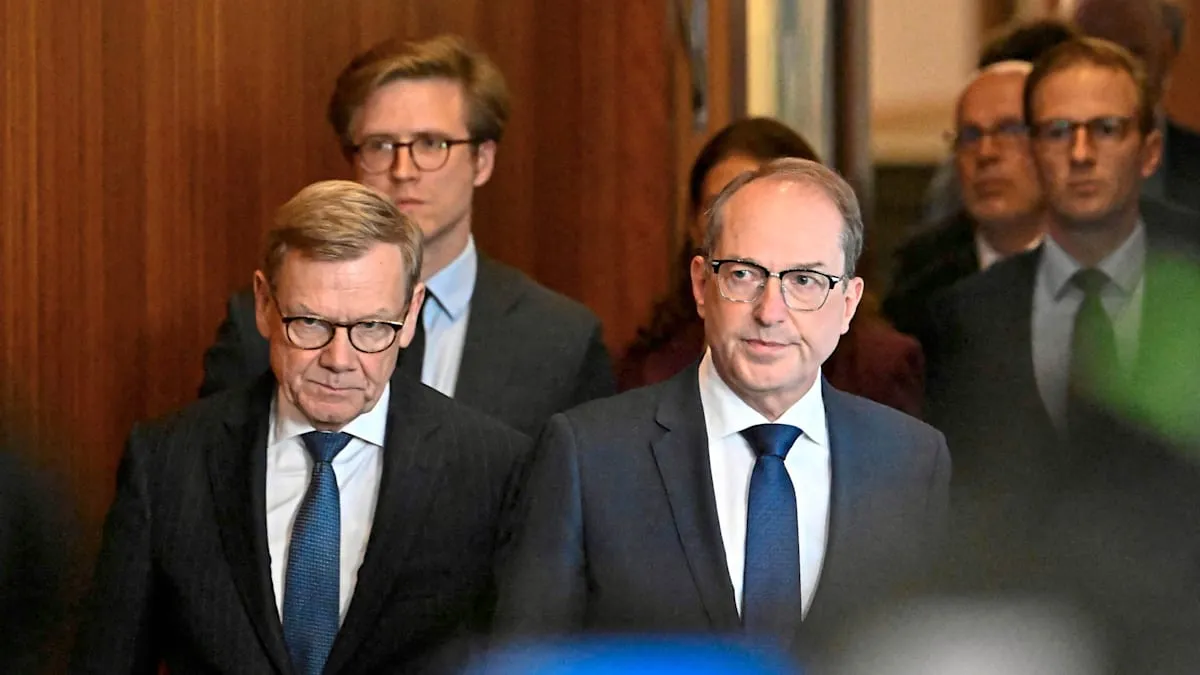
BERLIN – Germany has unequivocally declared an end to the era of deception in its relations with Russia, accusing Moscow's leadership of now demonstrating open hostility towards their nation. This stern statement was issued by Foreign Minister Wadephul and Interior Minister Dobrindt, signaling a significant escalation in diplomatic tensions between the two countries early in 2026.
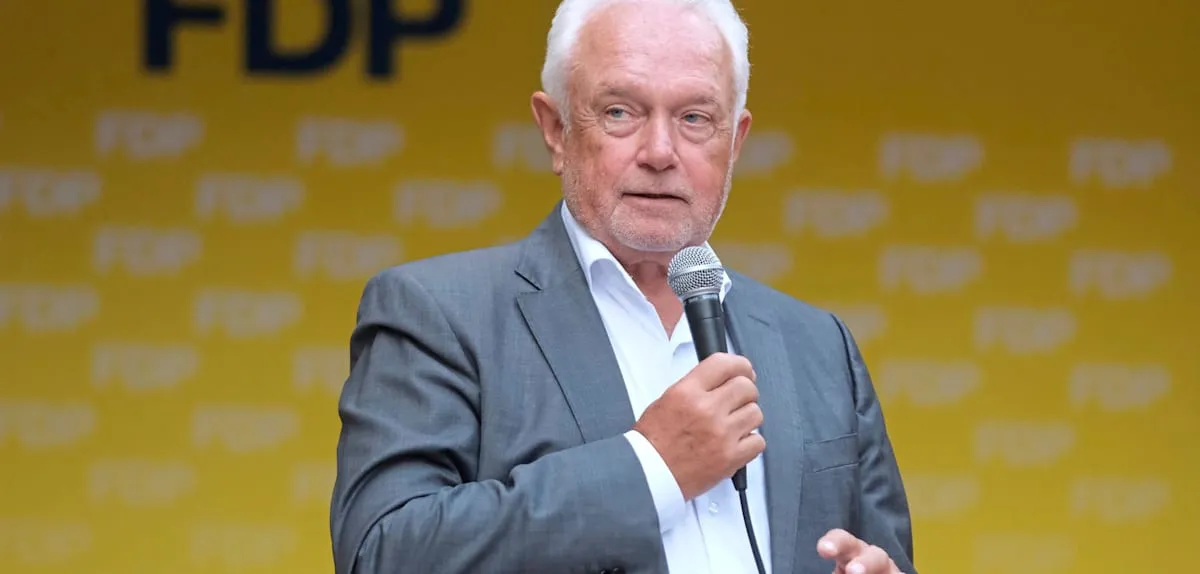
Foreign Minister Wadephul, during a press conference held in the capital, asserted that there was no longer any room for misunderstanding. Nun ist die Tauschung vorbei, he declared, emphasizing that illusions regarding Russia's good intentions must cease. According to Wadephul, Moscow's aggressive stance has exceeded the bounds of tolerance.
Echoing Wadephul's sentiment, Interior Minister Dobrindt added that the hostility displayed by Russia's leadership is now abundantly clear. Russlands Fuhrung tritt unserem Land mit offener Feindseligkeit entgegen, he stated, highlighting the serious national security implications for Germany and the entire European continent.
These statements emerge amidst growing global concerns regarding geopolitical dynamics, particularly concerning the ongoing conflict in Eastern Europe. Berlin, as a major economic and political power within the European Union, has been at the forefront of the collective response to Russian aggression.
International political observers view this declaration as a crucial turning point. For years, diplomatic efforts were made to keep communication channels open, but it appears Germany's patience has reached its limit in 2026.
Tensions between Germany and Russia are not new. Various incidents, ranging from alleged cyberattacks to drone incidents in Leipzig, have marked a turbulent period in relations. However, this time the official statement from the German government carries a different weight, explicitly defining Russia as a hostile entity.
This declaration of hostility is expected to trigger a stronger diplomatic response from Germany and its NATO allies. Discussions on increased sanctions, strengthening eastern border defenses, and reviewing energy policies are likely to become primary agenda items.
Russia itself has not yet issued an official response to Berlin's latest statements. However, history suggests that Moscow tends to retaliate against such accusations with similar rhetoric or even more aggressive countermeasures.
The long-term implications of Germany's stance are profound for regional stability. It could drive further consolidation of Western alliances and compel neutral states to take clearer positions in the face of deepening polarization.
Security analysts suggest that the German government may be preparing for a worst-case scenario, given the potential for escalation of conflict on Europe's borders. Military and intelligence readiness will be crucial in facing existing challenges.
Beyond security issues, the economic sector will also feel the impact. The already strained trade relations between Germany and Russia are likely to further erode, with Berlin seeking alternative resources and new markets to reduce dependence.
Minister Dobrindt's statement specifically highlights aspects of domestic security. This implies that the German government may increase vigilance against potential internal threats or destabilization efforts that may originate from Russia-affiliated actors.
The battle of narratives also becomes a battlefield. With this declaration, Germany seeks to control the international narrative, demonstrating that they are victims of aggression, not provocateurs.
Other European Union leaders are expected to voice support for Germany's stance, although perhaps with different nuances depending on each country's level of reliance on Russia.
This declaration is part of a collective European effort to confront the new geopolitical reality, where relations with Russia can no longer be conducted based on assumptions of friendship or partnership.
Editorial Insight: Germany's firm statement marks a paradigm shift in European diplomacy towards Russia. This is not mere rhetoric, but an explicit acknowledgment of long-felt hostility. The consequences will be profound, reshaping Europe's security and economic architecture for decades to come, and demanding stronger unity from Western nations in confronting clear challenges.