 Angela Stefani
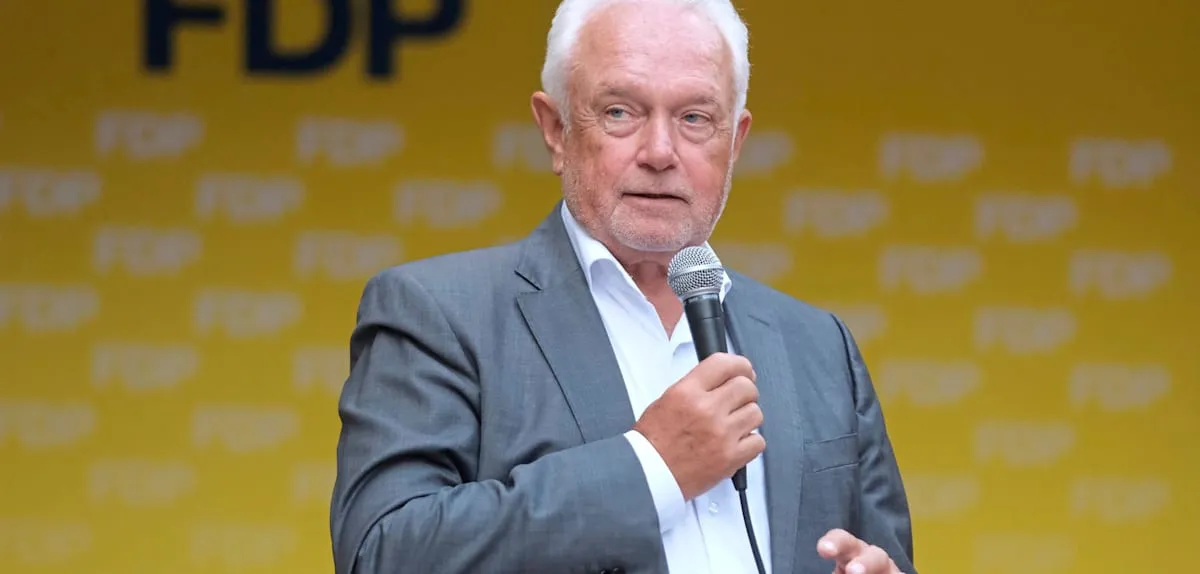
BERLIN – Leader of the Free Democratic Party (FDP) Christian Kubicki recently unveiled a tax reform proposal that has ignited fierce debate across Germany's political landscape in 2026. Kubicki's proposed tax concept suggests a drastic reduction in income tax brackets to just four tiers and introduces a mechanism to prevent 'bracket creep,' a phenomenon feared to burden taxpayers.
This move immediately triggered a wave of criticism, particularly from the opposition Union Party (a coalition of CDU and CSU), which voiced deep concerns over the implications and effectiveness of the plan. This debate adds fuel to Germany's fiscal issues, alongside complex global economic policy dynamics.
The core of Kubicki's proposal is a simplification of the income tax system. Currently, Germany operates a progressive system with numerous tiers, complicating tax calculations. With only four tiers, Kubicki hopes this process will become more transparent and fairer for all segments of society.
Furthermore, Kubicki also highlighted the issue of 'bracket creep' (kalte Progression), where inflation pushes taxpayers into higher tax brackets despite no real increase in their purchasing power. His proposal includes concrete measures to automatically adjust tax rates against inflation, thus protecting the real income of citizens from erosion.
The most radical element of this concept is the so-called '50-Cent Rule.' The principle stipulates that for every additional euro earned by a worker, no more than 50 cents should be deducted for taxes and social contributions. This effectively aims to cap the marginal burden and foster incentives for harder work.
The FDP believes that these reforms will stimulate economic growth by providing more purchasing power to citizens and reducing bureaucratic burdens for businesses. The time has come for bold and visionary tax reforms, stated an FDP spokesperson, emphasizing the urgency of change. We must ensure that people's hard work is rewarded, not penalized by an outdated system.
However, the proposal immediately drew scorn from the Union Party. Union leaders stated that Kubicki's plan is too risky and could potentially erode the vital state revenue base needed for public services. We need fiscal stability, not experiments that could jeopardize our economic future, a senior CDU figure remarked.
Criticism of the incumbent Finance Minister's tax plans is also growing within the Union camp. They argue that the government's current fiscal policies have not been sufficiently responsive to the economic challenges facing Germany. This indicates significant differences in views regarding the direction of tax policy among the major parties.
The debate over tax reform is certainly not new in Germany. Previously, issues related to Value Added Tax (VAT) also heated up, sparking fierce public debate. A related article discusses how 22% VAT fueled debate and public response.
This tax reform issue also highlights tensions within the governing coalition. Promises of tax reforms are often difficult to realize due to differing interests and views among ruling parties, as reflected in previous debates. German tax reforms often divide coalitions and see promises unfulfilled becoming a media highlight.
The German government under the current Chancellor faces immense pressure to balance the need for economic growth with the imperative of maintaining fiscal sustainability. Kubicki's proposal, though controversial, presents a radical alternative that could alter the dynamics of policy discussions in Berlin.
The long-term implications of this proposal remain to be seen. Will a compromise be reached in Parliament, or will this debate become a central issue in the next general election? These questions are the focus of political and economic analysts.
Editorial Insight:
Christian Kubicki's tax reform proposal marks a crucial point in Germany's economic debate. While ambitious, the implementation of the '50-Cent Rule' and the simplification of four tax tiers will require strong political consensus. Potential benefits of increased purchasing power and economic stimulation must be balanced against risks to state revenue and the sustainability of public services. The divisions within the coalition and criticism from the opposition indicate that the path to comprehensive fiscal reform will be winding, demanding tough negotiations and a clear long-term vision.