 Chris Robert
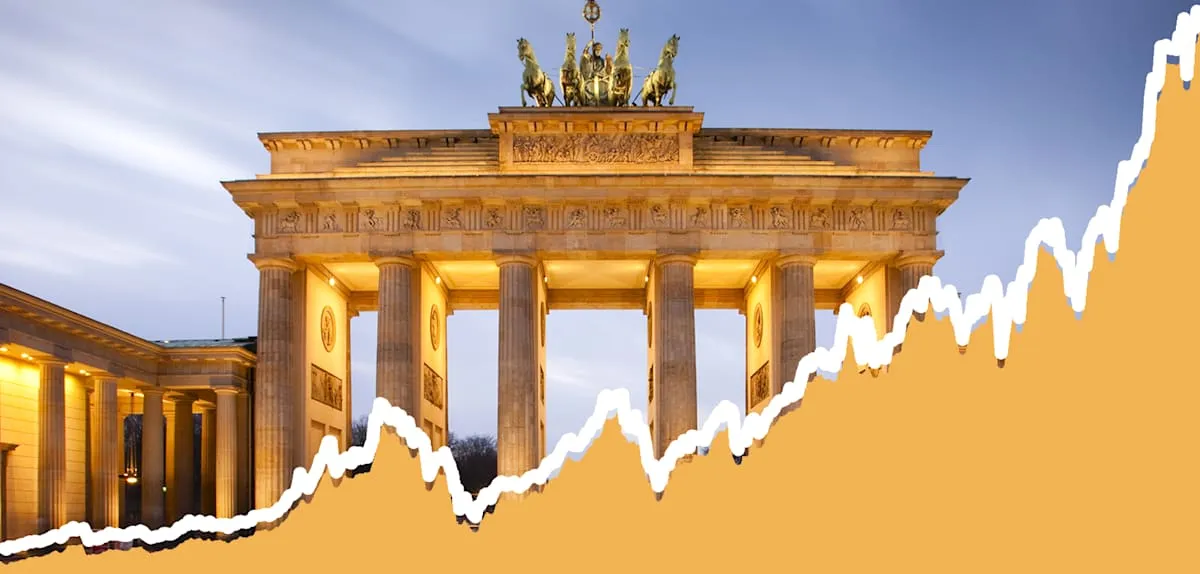
FRANKFURT — Germany's leading index, the DAX, surprisingly breached the psychological 26,000-point level for the first time in 2026. This historic achievement occurred amidst a domestic economic slowdown and reports of declining revenues from several DAX constituent companies, creating a perplexing paradox for market analysts and economists.
This contradictory phenomenon raises profound questions about the dynamics of capital markets and macroeconomic realities. How can the stock market achieve new records while fundamental indicators such as GDP growth stagnate and many corporations report challenging financial performance?
Market observers note that the DAX surge may not fully reflect Germany's real economic conditions. They argue that markets tend to be forward-looking, anticipating future recovery or driven by external factors not directly related to domestic productivity.
Global investor sentiment plays a significant role. Foreign capital inflows into the German market, driven by perceptions of stability or attractive valuation opportunities in certain sectors, could have fueled this surge. Amidst global geopolitical uncertainties, German assets might be perceived as a “safe haven” by some investors.
It is also crucial to analyze the performance of individual companies within the DAX index. While some sectors may experience pressure, the innovation and global expansion of German tech giants or pharmaceutical companies could compensate for the slowdown in traditional manufacturing sectors.
Central bank monetary policies, including relatively low interest rates and global liquidity availability, can also trigger asset appreciation in stock exchanges. Investment funds seeking higher returns often flow into equity markets, regardless of weak underlying economic conditions.
However, this paradox also carries risks. The divergence between market valuations and economic fundamentals can create what some economists term an “asset bubble.” This condition has the potential to trigger a sharp market correction if investor sentiment reverses or real economic data does not improve promptly.
Previously, the DAX index also recorded significant gains, as seen during the “Trump Peace Signal” in 2026, which sent the DAX soaring to a record 25,900 points. This latest rise underscores the market's volatility and sensitivity to various factors, both internal and external.
For the general public, this situation is often puzzling. While a select few investors enjoy profits from a surging stock market, many German citizens still feel the pressure of inflation, sluggish wage growth, and challenges in the job market. This disparity highlights the disconnection between the financial elite and everyday economic realities.
Moving forward, the challenge for the government and regulators is to ensure that economic growth can catch up with stock market performance. Without fundamental improvements, this DAX 26,000-point surge might merely be a fragile peak amidst an economic storm that has not yet fully subsided.