 Chandra Wijayanto
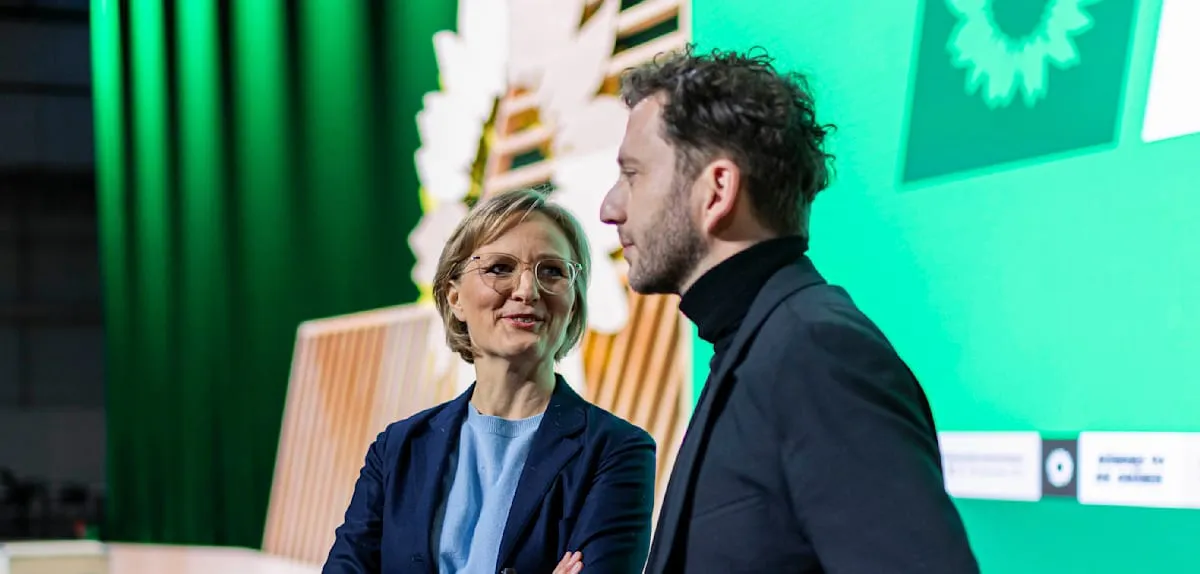
BERLIN — Internal turmoil has gripped Germany's Green Party after several prominent politicians published a manifesto advocating a positive image of men. This document, intended to reflect the role of men in modern society, has instead sparked strong reactions and significant dissatisfaction within the Bundestag parliamentary group in early 2026, raising concerns that the initiative could alienate female voters.
The manifesto reportedly emphasized the importance of building a constructive narrative around masculinity, an effort to address negative stereotypes and encourage male engagement in social issues. Its proponents hoped to create an inclusive discussion platform, highlighting men's positive contributions to environmental issues and gender equality.
However, these hopes contrasted sharply with political reality. In the corridors of the Bundestag, dissenting voices quickly emerged. Various faction members expressed deep disappointment with the timing and substance of the document, calling it "fatal" and "off track" from the party's long-standing principles.
The main criticism focused on the manifesto's potential to undermine the party's efforts to embrace gender equality issues, particularly from a female perspective. Some argue that a singular focus on the image of men, without considering the broader context of women's rights and gender challenges, could be seen as regressive or at least less sensitive.
An anonymous internal party source, who declined to be named due to the sensitivity of the issue, stated, "Why do we feel the need to separately create a manifesto for men when the struggle for equality is still so far off for women? This could send the wrong signal."
This debate is not merely an ideological dispute but also exposes strategic fissures in the Green Party's political narrative. As a party traditionally a strong advocate for equality and progressive issues, internal friction over gender issues could impact their credibility in the eyes of the public and core voter base.
Issues concerning the internal dynamics of political parties in Germany are not new. Previously, the public was also surprised by various political developments, including heated debates surrounding the return of controversial figures in regional parliaments and coalition tensions involving the SPD.
This situation compels the party leadership to review their communication strategy and stance on gender issues. The big question is how the Green Party will balance their progressive messages with the need to address concerns from various internal factions without losing sight of their main struggles.
Public opinion is expected to closely monitor how this internal conflict is resolved. The party's image, which has always claimed to be a pioneer of inclusivity, is now at stake due to sharp differences of opinion regarding the interpretation of gender equality.
This "Green Men" manifesto, initially intended as an inclusive declaration, has now become a symbol of deep division. Political observers await concrete steps from the Green Party leadership to quell the unrest and restore internal consensus to maintain their political momentum ahead of important agendas in 2026.