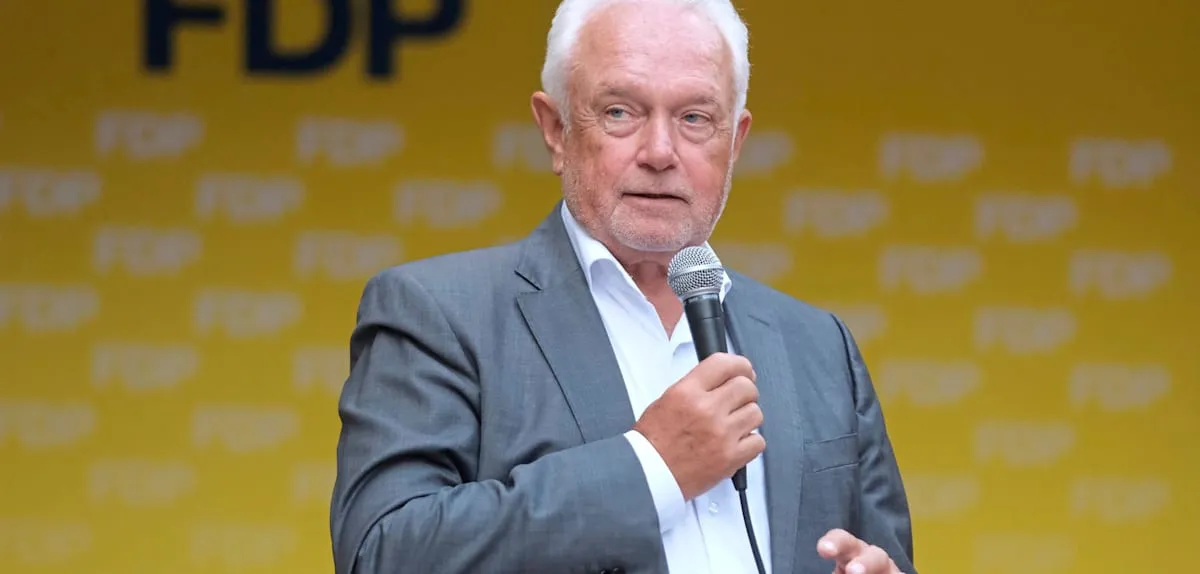
 Stefani Rindus
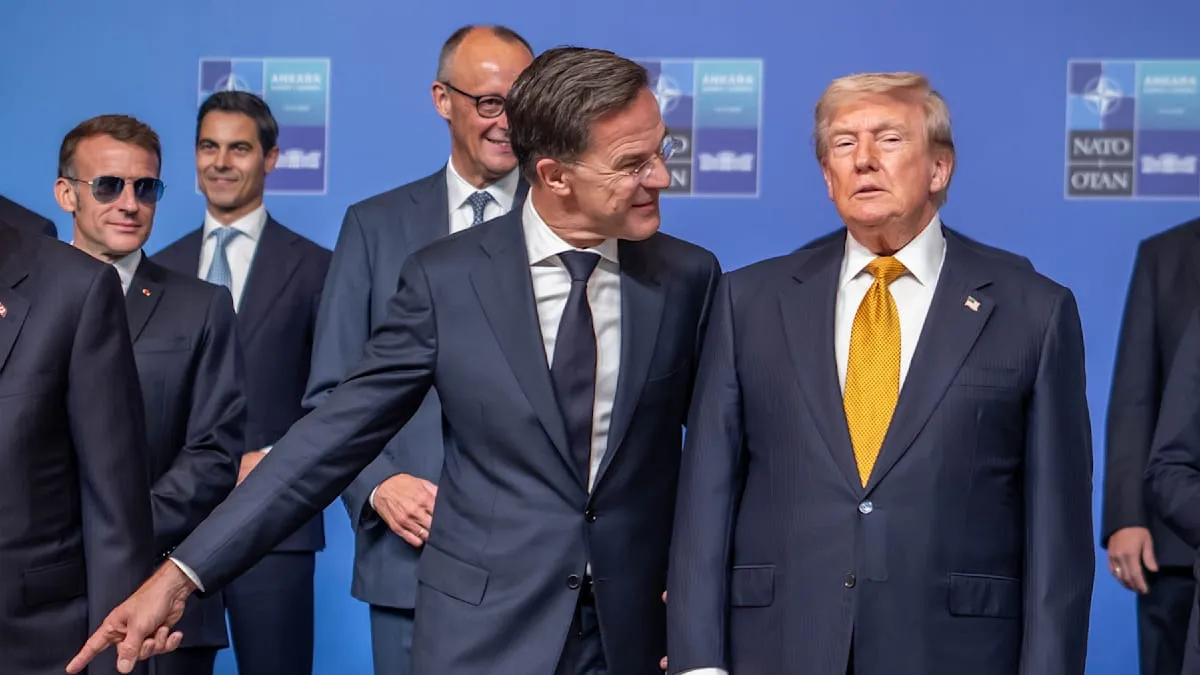
Berlin — A representative public opinion survey released by Civey in 2026 reveals significant doubts among the global public, particularly in Europe, regarding whether the United States is still considered the primary leader of the Western world. Janina Mütze, CEO of Civey, presented these findings, which also touched upon views concerning Germany's defense investment, indicating a shift in global geopolitical dynamics.
The crucial question regarding the United States' leadership status in the eyes of the Western world sparks debate. Civey's survey data clearly shows that a considerable percentage of respondents now feel that US dominance is waning, or at least not as strong as in previous decades. This phenomenon reflects the increasingly complex dynamics of international relations.
These doubts have profound implications, especially for traditional US allies in Europe. If public perception continues to shift, pressure will mount for European nations to assume a greater role in regional and global security, rather than solely relying on Washington.
In line with this issue, the Civey survey also delved into the sensitive question of Germany's defense investment. Respondents were asked whether Germany is investing too much, too little, or an appropriate amount in armaments. The results varied, but generally indicated a desire for balance.
The majority of respondents implied that Germany's investment in defense should be proportionate to existing global threats, as well as to Germany's aspiration to become a more significant security contributor in Europe. This is relevant to internal German debates and NATO commitments.
Janina Mütze affirmed, “These survey results are not just statistical data, but a reflection of public concerns and hopes for an ever-changing global order. There is a growing expectation for Europe, including Germany, to take greater initiative in maintaining stability.”
For decades after World War II, US leadership in the Western alliance was almost unchallenged. However, US foreign policy in recent years, alongside the rise of other powers, appears to have eroded the perception of absolute dominance that once existed.
In 2026, the world faces various geopolitical challenges, from regional conflicts to great power rivalries. In this context, questions about the strength of US leadership and European autonomy become increasingly relevant and urgent to discuss.
This situation further strengthens the argument for increasing European military capabilities. For instance, Germany's acquisition of Tomahawk missiles is a strategic step to bolster regional defense, as previously reported in the article Germany Officially Acquires US Tomahawk Missiles, Strengthens European Strategic Defense.
The Western alliance now faces significant adaptation challenges. A redefinition of roles and responsibilities is needed to ensure cohesion and effectiveness in addressing common threats. Discussions about European strategic autonomy will be a central focus in the coming period.
These Civey survey findings serve as an important signal for policymakers in Washington and European capitals. Re-establishing consensus on leadership and burden-sharing is key to maintaining the relevance and strength of the Western world on the global stage.