 Dodi Irawan
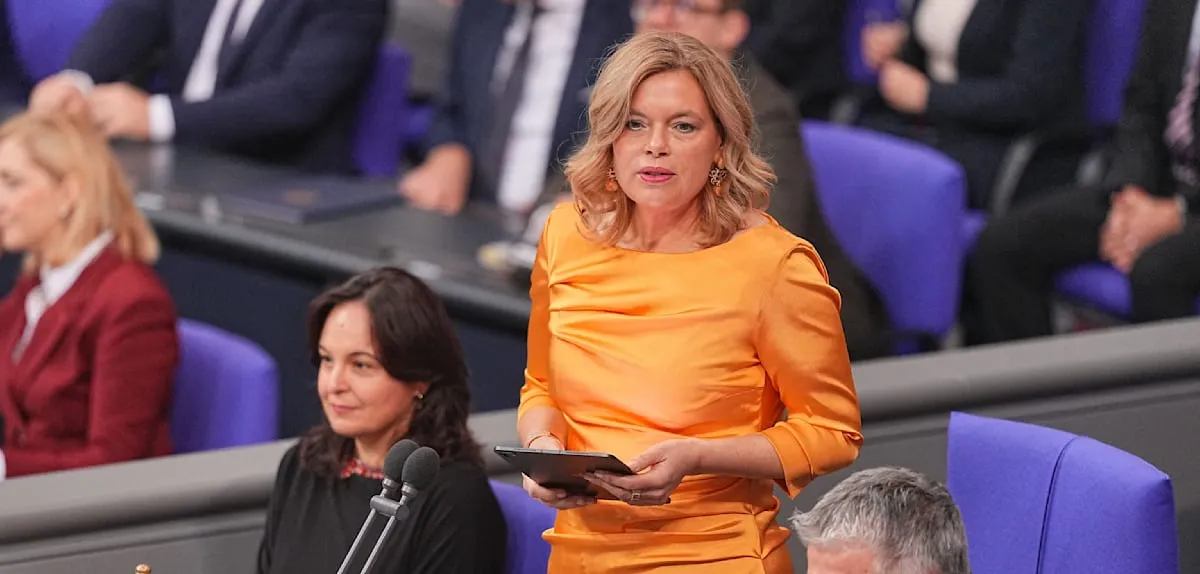
BERLIN – A striking statement from prominent German politician Julia Klockner has unveiled the alarming scale of violence against women in the country. Klockner asserted that the almost daily killings of women and girls are 'just the tip of the iceberg,' indicating that the roots of violence begin much earlier within society. This declaration comes amidst heightened public scrutiny concerning womens protection and gender-based crimes in Germany throughout 2026.
Disturbing statistics reveal that, on average, one woman or girl is a victim of murder or attempted murder every day in Germany. This figure reflects a much deeper crisis, highlighting systemic failures in safeguarding women from the threat of violence. Each reported case adds to a long list of tragedies that should ideally be preventable.
According to Klockner, the phrase 'tip of the iceberg' refers to a far broader spectrum of violence than merely physical murder. Violence against women begins much earlier, she stated. This encompasses various forms of harassment and discrimination, ranging from psychological and economic abuse to sexual harassment and cyber threats, which often go unreported or are trivialized by the public.
The repercussions of this violence are profoundly damaging, not only for the victims and their families but also for Germany's social fabric as a whole. Fear and insecurity often plague women's daily lives, limiting their freedom to engage in activities and thrive. This issue underscores the vital importance of early gender education and awareness.
Despite launching various initiatives, the German government continues to face sharp criticism regarding the effectiveness of its handling of violence cases. Women's protection agencies frequently suffer from a lack of resources, while legal processes are perceived as slow and unresponsive to victims' needs. Women's rights activists are pushing for comprehensive reforms.
The significance of early prevention is emphasized by many experts. Educational programs in schools, public awareness campaigns, and training for law enforcement officials are crucial for transforming stigmas and mindsets that perpetuate a culture of violence. Encouraging society to report even minor incidents is a critical step.
Social issues in Germany frequently spark intense debate, as seen in the article about Criticism of German Politics Resonates: Left-Wing Parties Deemed Without Reality!. This situation illustrates that various societal layers and political spectrums hold diverse views on the best ways to address domestic challenges, including the issue of violence.
Klockner called for a collective effort from all societal elements – from families, schools, religious institutions, to government and media – to actively combat gender-based violence. Everyone has a role in creating a safe environment for women, she affirmed.
Germany's future heavily depends on its capacity to protect its most vulnerable citizens. Should violence against women continue to be endemic, its impact will be felt by future generations, creating a cycle of fear and injustice that is difficult to break. Investing in women's protection is an investment in long-term social stability.
The issue of violence against women is not solely a German problem but a global phenomenon. Many nations grapple with similar challenges, fostering the exchange of best practices and international collaboration. However, Germany's specific data points to an undeniable urgency for action.
Julia Klockner's statement serves as a stark reminder that beyond the death statistics, millions of unseen experiences of violence form the terrifying base of this 'iceberg.' This insight demands a response that is not merely reactive, but proactive and transformative.
Editorial Insight: Julia Klockner's statement signifies a deeper acknowledgment of the systemic nature of violence against women in Germany, extending beyond fatal incidents. This is not merely a criminal justice issue, but a reflection of gender power imbalances and social norms that require profound reconstruction. Without significant cultural shifts and adequate resource allocation for prevention and victim support, these alarming figures will likely continue to haunt Germany. The greatest challenge lies in transforming awareness into tangible action at every level of society.