 Angel Doris
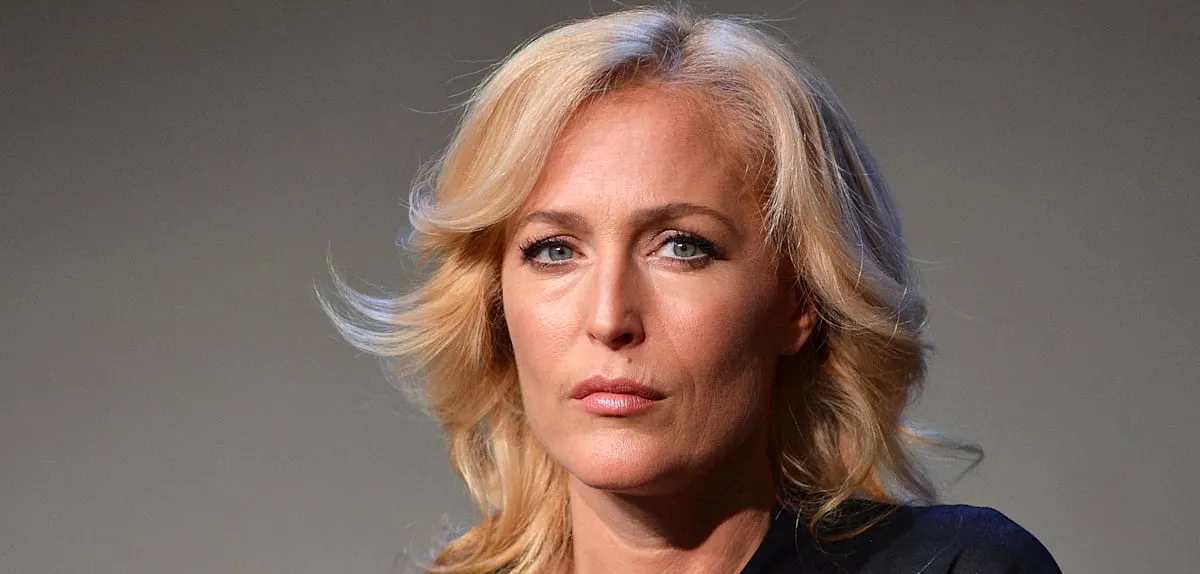
JAKARTA – Renowned actress Gillian Anderson has once again sparked global literary and public discourse with a provocative new project. After her successful portrayal of a sex therapist in a popular series, Anderson is now delving into the reality of anonymous women's sexual fantasies, collecting and publishing them in a compilation that unveils conversations about size—a topic long considered sensitive. This project has triggered a wave of debate concerning the boundaries of female desire in 2026.
Anderson's transformation from actress to fantasy curator occurred after her iconic role as Jean Milburn, a sex therapist, in the series Sex Education. This experience, according to Anderson, provided her with deep insights into the complexities of human desire and prompted her to further explore what women truly desire intimately.
The collection of fantasies, tentatively titled Sorry, Gentlemen, It Really Does Depend on Size, candidly highlights aspects often overlooked or misunderstood in the discourse surrounding female sexuality. A central point emerging is the open acknowledgment by many women regarding the importance of certain physical factors, especially those related to size, in their sexual satisfaction.
Before Anderson's initiative, women's sexual fantasies were often depicted in more emotional or romantic narratives, or if they touched upon physical aspects, they tended to avoid explicit details. This project, with its raw honesty, challenges conventional perceptions of what is considered wild or abnormal in women's erotic imaginations.
The publication of this fantasy collection is not merely an attempt at sensationalism. Anderson consistently emphasizes that her goal is to validate and empower women's voices, enabling them to express their deepest desires without shame or judgment. This marks a significant step in the second decade of the 21st century to demystify female sexuality.
Reactions to the project have been varied. Some praise Anderson's courage and her contribution to opening a more honest discussion about sexuality. They view it as a form of liberation from patriarchal norms that often dictate how women should feel or express their desires.
However, many also criticize the project, accusing it of exploitation or of excessively reducing female sexuality to purely physical aspects. Some argue that focusing on size could reinforce social pressures on men or create unrealistic standards.
Gillian Anderson, in several interviews, explained that she understands the potential for controversy but believes that honesty is key to achieving a better understanding of human sexuality. 'I want women to feel heard, that their desires are valid, whatever they may be,' she stated.
This project is expected to ignite a broader dialogue in various forums, from academic discussions to casual conversations. Its implications may extend to how media portrays sexuality, sex education, and even the dynamics of personal relationships.
Contextually, 2026 marks an era where gender and sexuality issues are increasingly discussed openly, driven by activism and more diverse representation in media. Anderson's work arrives at a timely moment, fueling this crucial conversation.
Editorial Insight:
Gillian Anderson's project extends far beyond mere celebrity controversy; it represents a significant intervention in the cultural discourse on female sexuality. By positively commodifying anonymous fantasies, Anderson not only provides a platform for marginalized voices but also effectively challenges social constructs that have long limited the expression of women's desires. Its long-term impact is likely to be the normalization of more honest conversations about sexual desires, simultaneously prompting the publishing and media industries to more boldly explore the complex spectrum of human experience. It may also encourage profound reflection on how we define intimacy and satisfaction in modern relationships.