 Angel Doris
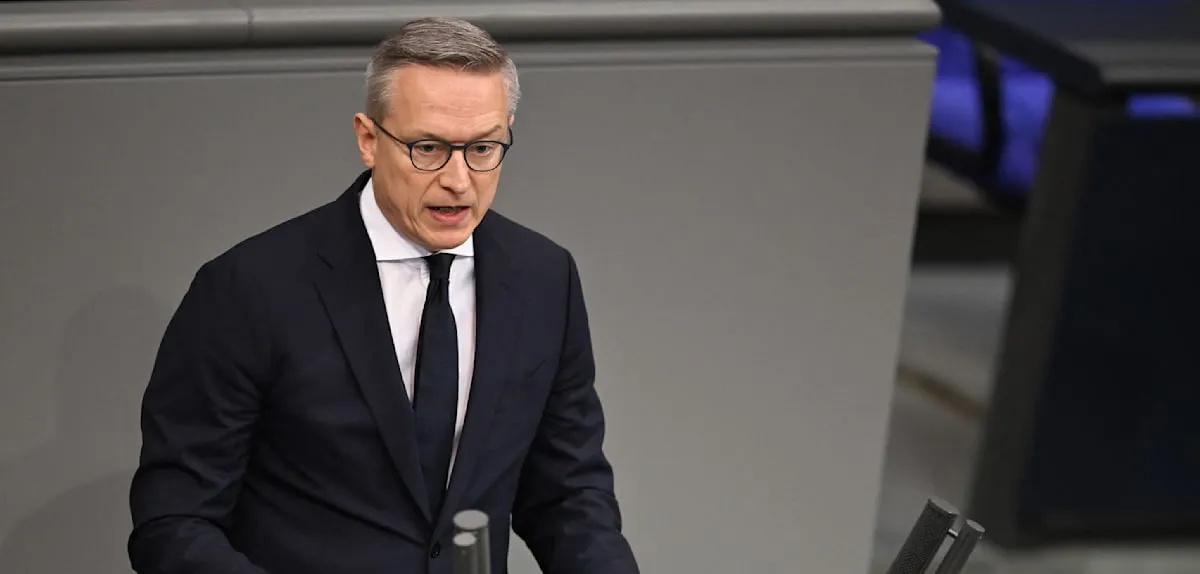
BERLIN – Germany is abuzz with discussions about an Artificial Intelligence (AI) tax, following widespread concerns that automation threatens millions of jobs and state revenues. In 2026, Digital Minister Karsten Wildberger officially proposed a new levy on AI usage to address the state's budget deficit and finance the transition of the labor market.
This initiative emerges as developed nations face a serious dilemma: how to fund public services when machines and algorithms increasingly replace human labor, thereby reducing income from payroll taxes and social security contributions. Fears of major job cuts have become a hot topic in Berlin, fueling intensive discussions among policymakers.
Wildberger explained that this AI tax is not merely a tool to boost state coffers. Furthermore, it aims to create a transition fund that will be used to retrain workers affected by automation, provide a social safety net, and support human-centric innovation.
We cannot allow technological progress to sacrifice the well-being of our citizens, Wildberger stated at an economic forum in Frankfurt. The AI tax is a strategic investment for the future of our labor market, ensuring that every individual has the opportunity to adapt and thrive in the digital age.
Recent data from the Ministry of Labor indicates that approximately 15% of jobs in the manufacturing and service sectors are at high risk of being replaced by AI within the next five years. This figure has raised alarms for governments reliant on individual income taxes and social security contributions from the workforce.
The concept of a robot tax or AI tax is not new. Previously, figures such as Bill Gates have advocated similar ideas, viewing AI as an entity that should pay taxes like human workers, or at least contribute to the social costs incurred by job replacement.
However, Wildberger's proposal faces various challenges. Criticism comes from the technology industry, which fears this tax will hinder innovation and investment in AI development. They argue that AI innovation will actually create new types of jobs and enhance overall productivity.
Imposing a tax on rapidly evolving technology is a step backward, said Dr. Elena Schmidt, spokesperson for the German technology industry association. Our focus should be on creating an ecosystem that fosters growth, not burdening innovators with untested new regulations.
There is also debate surrounding the implementation mechanism. How would the value of an AI be calculated? Would it be based on usage, amount of data processed, or profits generated? These technical questions require in-depth study and cross-sector consensus.
Some economic experts suggest a phased approach, starting with pilot projects or incentives for companies that invest in retraining their employees. This approach might reduce resistance from the industry while still achieving the objectives of the transition fund.
Beyond Germany, several other countries are also considering similar solutions. The European Union, for instance, has formed a task force to study the economic impact of AI and potential policy interventions, including new tax schemes or funding. This discussion is gaining momentum as AI technology revolutionizes various sectors, including art and culture.
AI issues also extend to cyber threats and ethical usage, demonstrating the complexity of governing this technology. Germany's discussion on an AI tax could become a blueprint for other nations facing similar challenges.
Editorial Insight: Digital Minister Karsten Wildberger's AI tax proposal marks a crucial point in the policy response to the era of automation. Despite significant implementation challenges and potential industry resistance, this idea is essential to ensure a fair and sustainable labor market transition. Germany's success in formulating and implementing this scheme will be a vital case study for a global economy increasingly dominated by Artificial Intelligence.