 Debby Wijaya
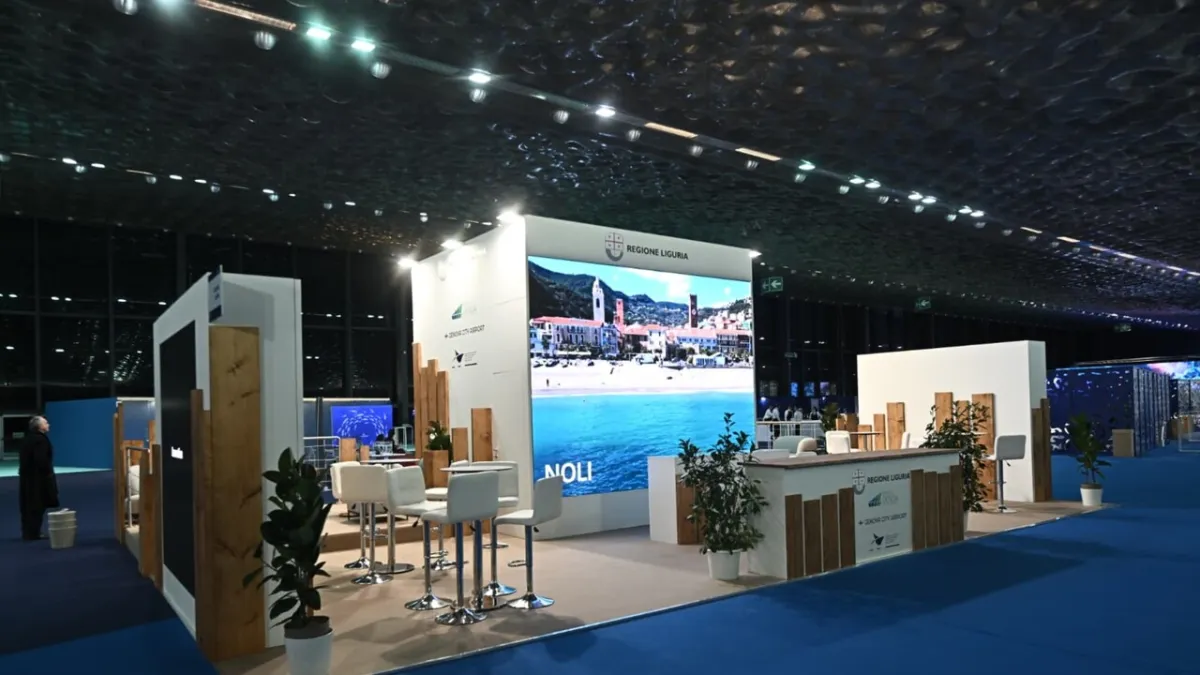
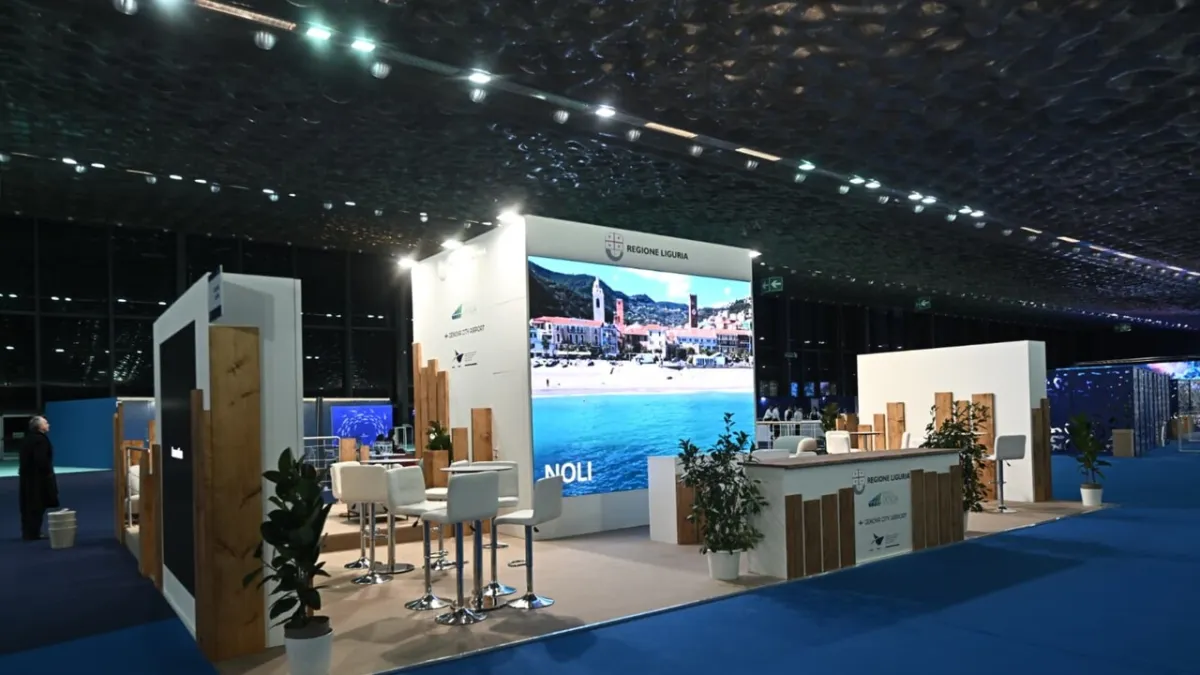
GENOA – The historic port city of Genoa, Italy, hosted the grand Blue Economy Summit (BEST Summit) in 2026. The opening ceremony, attended by global stakeholders, reaffirmed the vision that the blue economy is not merely an economic sector but a comprehensive model for humanity's sustainable future, as conveyed by maritime experts.
This summit aimed to unite government leaders, scientific experts, industry players, and international organizations to formulate innovative strategies for responsible utilization of marine resources. Core discussions focused on promoting economic growth without sacrificing the vital marine ecosystem's sustainability.
The definition of the blue economy has evolved rapidly. While previously often understood as limited to fisheries or maritime transport, its scope now extends to ocean-based renewable energy, marine biotechnology, sustainable coastal tourism, and modern marine monitoring and management technologies. This perspective positions the ocean as a fundamental solution to various global challenges.
Participants emphasized the urgency of adapting to climate change and the worsening impact of marine pollution. The blue economy model offers a framework for mitigating these risks while creating new economic opportunities aligned with environmental sustainability principles.
Innovation is a key factor in realizing the blue economy's potential. The development of new technologies for sustainable aquaculture, wave and tidal energy systems, and advanced marine materials paves the way for revolutionary industries. As highlighted in Applied Multidisciplinary Science: The 2026 Revolution, Unlimited Profit Potential?, a cross-disciplinary approach is essential.
Genoa's role as a maritime hub cannot be underestimated. The city has historically been a bridge between land and sea, making its location strategic for advocating the global blue economy agenda. Italy's commitment to sustainable ocean governance forms a crucial pillar for the summit's success.
International collaboration is an absolute prerequisite. Issues such as illegal fishing, transboundary pollution, and marine biodiversity protection require coordinated approaches among nations. This summit serves as a vital platform for strengthening global partnerships to safeguard ocean health.
In-depth panel discussions explored ways to optimize the maritime value chain, from basic research to commercial applications, while prioritizing social equity and empowering coastal communities. This includes investment in maritime education and vocational training.
Furthermore, the topic of financing blue economy innovations was also highlighted. Investors and financial institutions are encouraged to direct capital towards projects that not only yield financial returns but also deliver positive impacts on the environment and maritime communities.
Overall, the BEST Summit 2026 in Genoa is more than just a meeting; it is a collective statement that the ocean is an invaluable resource demanding protection and wise management. The oceans offer answers to the energy, food, and climate challenges facing the world today and in the future.
This summit underscores the urgency of creating integrated policies, involving all sectors from local to global levels, to ensure a transition to a greener and bluer economy. This holistic approach is expected to create a more resilient development model against future disruptions.
Editorial Insight: The staging of the BEST Summit 2026 in Genoa marks a global paradigm shift concerning the oceans. It is no longer solely about exploitation, but about harmony between economic progress and ecological sustainability. The successful implementation of the blue economy vision will heavily depend on concrete commitments from governments, industries, and society to invest in innovation, effective regulations, and public education on the ocean's importance for the planet's survival.