 Chandra Wijayanto
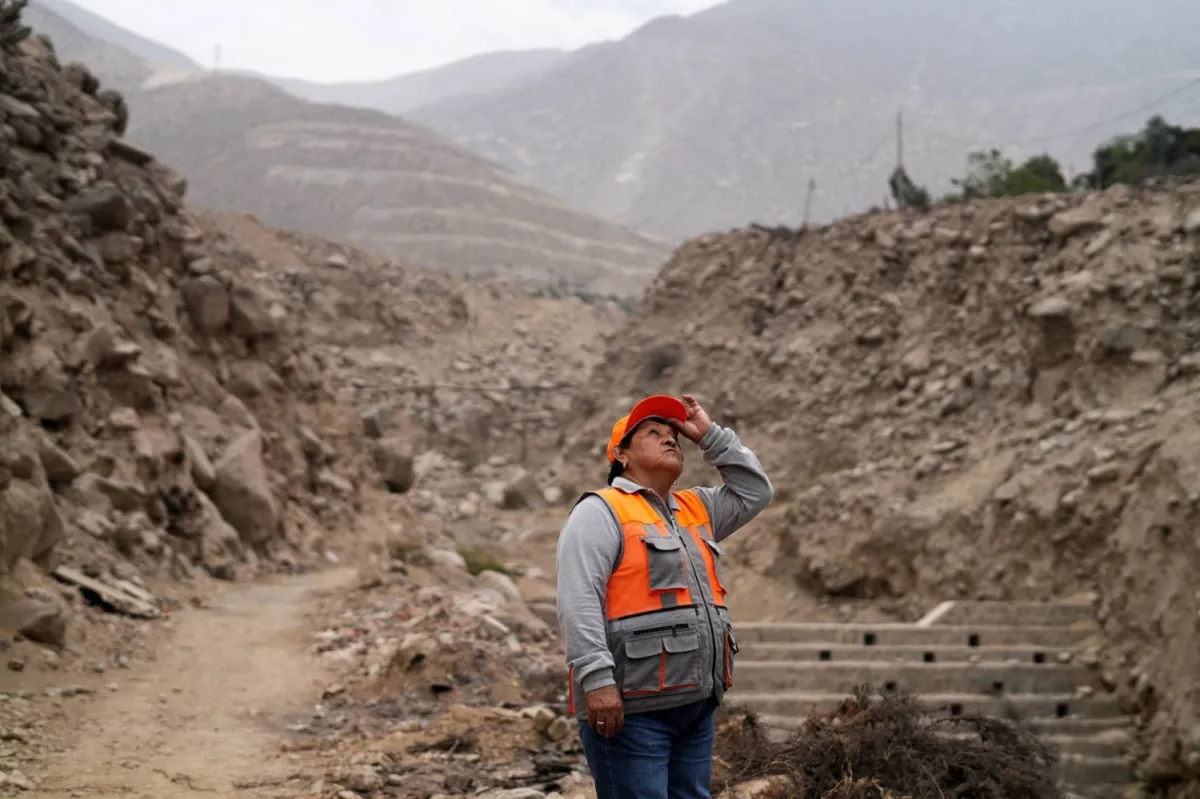
KATHMANDU – The rock and ice avalanche along with flash floods that struck Nepal in August 2026 has highlighted the fragility of global early warning systems in the face of accelerating climate threats. This tragic incident, which left thousands dead, injured, or missing, vividly demonstrated that every system has its limits, especially when confronted by increasingly extreme and unpredictable natural phenomena.
The horrific event in the mountains of Nepal is not merely a local catastrophe but a stark warning to the international community. Meteorologists and climatologists agree that climate change has triggered unprecedented weather anomalies, exceeding existing mitigation and adaptation capacities. Rising global temperatures cause glaciers to melt faster, increasing the risk of devastating landslides and flash floods.
Despite substantial investments in developing advanced disaster warning technologies, the speed and scale of modern climate change appear to outpace human adaptive capabilities. Sophisticated sensors, climate prediction models, and emergency communication networks all face significant challenges in providing accurate and timely information amidst rapidly changing conditions.
The case of Nepal is a clear example of this challenge. Initial reports indicate that despite efforts to monitor mountain conditions, a combination of factors such as extreme topography, massive ice and rock movements, and unexpected rainfall created a disaster scenario difficult to predict in detail. Thousands of villagers residing in remote valleys became the first victims of this failure.
The Government of Nepal, with the support of international humanitarian organizations, is working tirelessly in rescue and search operations. However, the scale of destruction and the significant number of casualties raise profound questions about the effectiveness of global policies in responding to the climate crisis. 'We have invested in systems, but nature shows we must invest much more in prevention and adaptation,' stated a local disaster management official, who wished to remain anonymous, recently.
Scientists are now calling for a complete overhaul of disaster warning strategies. They emphasize the need for a more holistic approach, focusing not only on technology but also on strengthening local communities, public education, and developing infrastructure more resilient to extreme climates. This includes the real-time integration of satellite data with field information.
The climate crisis is not a future threat but a current reality, claiming lives and destroying livelihoods. Without collective action and radical innovation, existing warning systems will continue to lag far behind the escalating threats. This demands stronger global political commitment and massive resource allocation.
The events in Nepal remind the world that climate risks know no geographical boundaries or levels of economic development. Developing countries, often with more limited infrastructure, are the most vulnerable. Therefore, global solidarity in sharing knowledge, technology, and funding is crucial.
Efforts to mitigate greenhouse gas emissions remain the primary foundation. However, in parallel, adaptation to unavoidable impacts must also be a top priority. This includes rebuilding safer communities and raising public awareness about emerging new risks.
Editorial Insight: The Nepal disaster in August 2026 unequivocally affirms that the old paradigm of disaster management is obsolete. The pace of climate change demands extraordinary adaptation speed from technology and society. If the world does not make a quantum leap in warning and mitigation strategies soon, similar tragedies will become more frequent, claiming more lives and crippling the global economy. This issue requires serious attention from world leaders, including President Prabowo Subianto in Indonesia and President Donald Trump in the United States.