 Gabriella
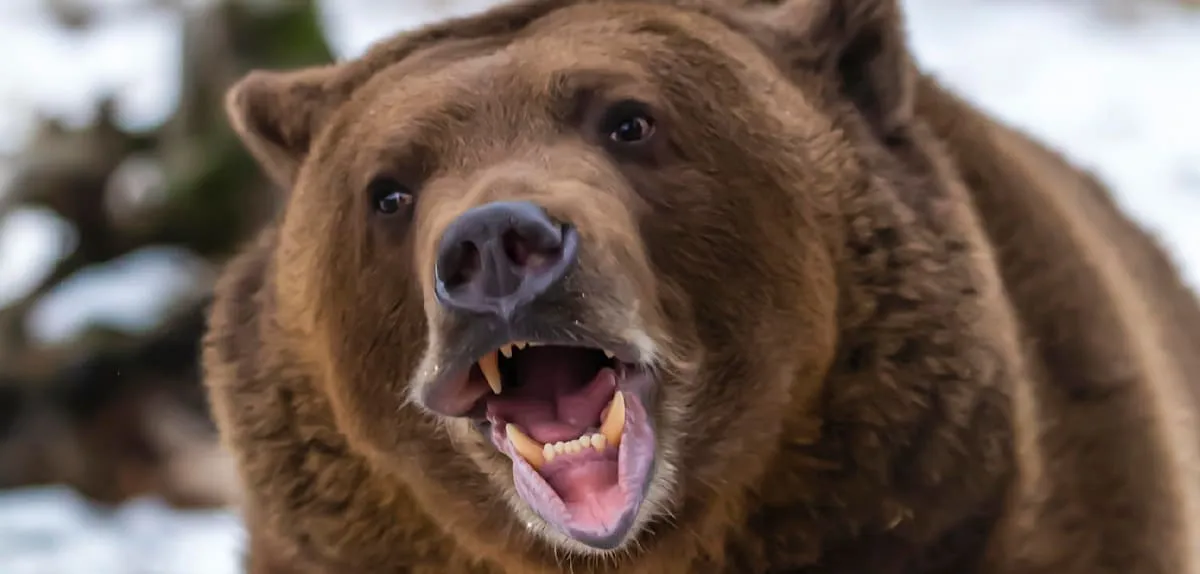
CANADA – A heartbreaking tragedy rocked Canada in early 2026 when search teams discovered the bodies of a mother and her daughter who had previously been reported missing. Authorities strongly suspect both died from a brutal attack by one or more grizzly bears, sparking serious safety concerns in wilderness conservation areas. This incident adds to a long list of dangerous interactions between humans and wildlife, particularly large predators in their natural habitats.
The incident began when the family reported the two victims missing after they failed to return from an expedition in the remote areas of the Canadian Rocky Mountains. Search and Rescue teams were immediately deployed, involving trained personnel, sniffer dogs, and aerial support to comb through a vast and rugged search area. The region is known as a natural habitat for grizzly bears, further escalating anxieties.
After several days of intensive searching, teams successfully located both bodies in a secluded spot. Initial findings at the scene indicated signs of a wildlife attack. Injuries found on the victims' bodies corresponded to the bite and claw characteristics of a grizzly bear, confirming the initial suspicions of police and conservation authorities.
Further investigation is ongoing to confirm the exact cause of death and understand the chronology of events. Local authorities, in collaboration with wildlife experts, are working to identify the bear or bears involved in this attack. The process of tracking bears is often conducted with extreme caution to avoid further provocation and ensure public safety.
In response to this tragic incident, the conservation department has issued a strong warning to visitors and residents active in and around forests and national parks. They urge the public to increase vigilance, especially when exploring areas known to be within bear territories.
Important warnings for citizens and tourists include:
- Always carry bear spray and know how to use it.
- Make noise periodically while hiking in the forest to avoid unexpected encounters.
- Store food and garbage securely in airtight containers or hang them from trees.
- Never approach or feed wildlife.
- Hike in groups and avoid traveling alone in high-risk areas.
Grizzly bear attacks in Canada, though relatively rare, are always a serious concern. Data indicates that grizzly bear populations in some areas are increasing, heightening the likelihood of encounters between humans and bears, especially when their habitats overlap with human recreational areas.
Similar incidents in the past often spark debates about the balance between wildlife conservation and human safety. Environmental experts argue that humans should respect wildlife boundaries more, while public safety officials emphasize the importance of risk mitigation measures.
This case also reminds the public of the unexpected dangers lurking in the wild, even in a country with sophisticated national park management like Canada. While Texas political storm threatens the future of AI data centers in 2026 or cybersecurity news like BitMart founder: Security team severely lacking after 2026 hack, crypto wobbles! might dominate headlines, natural threats remain a significant risk.
Editorial Insight: This tragedy is not just a sad piece of news, but also a poignant reminder of human vulnerability in the face of untamed wilderness. The balance between human population growth, recreational expansion, and wildlife habitat preservation is a complex issue requiring sustainable solutions. Increased education and enforcement of safety protocols are crucial to prevent similar incidents in the future, ensuring harmony between humans and the ecosystem.