 Angel Doris
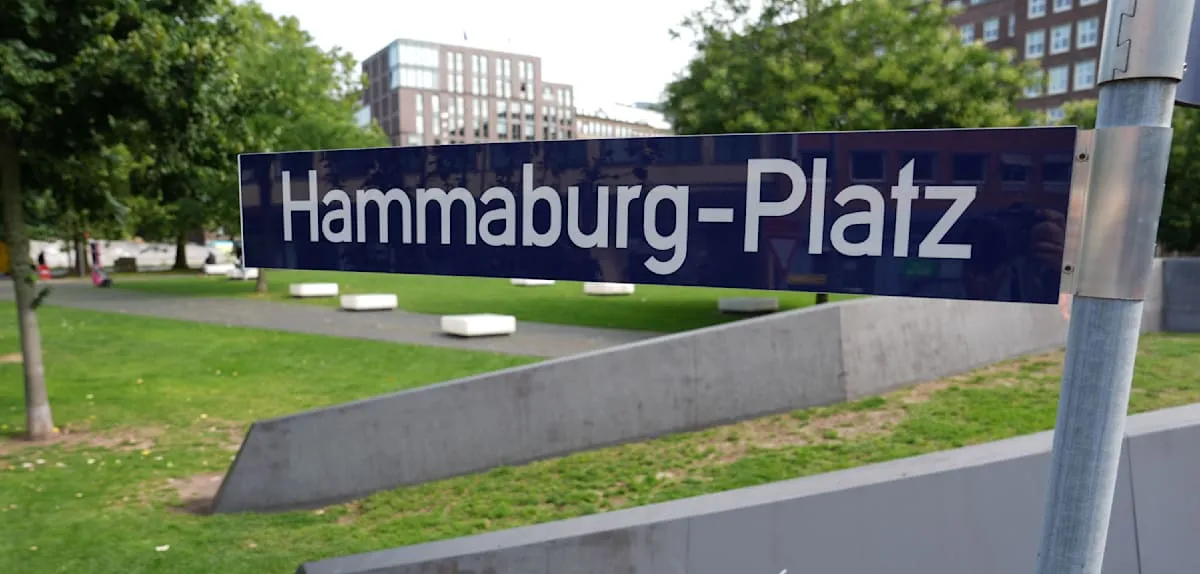
HAMBURG — The City of Hamburg is ambitiously redesigning the Domachse area, the historic heart of the city, into a magnificent Alster-Elbe Promenade. This long-term revitalization project aims to transform the car-dominated corridor between Binnenalster and the Elbe River into a green, pedestrian-friendly public space, marking a new chapter in the urbanization of the maritime city in 2026.
This transformation will take years, but the vision is clear: to reinstate Domachse as a center of social and cultural life, integrating history with the needs of a modern city. Detailed plans have been unveiled, demonstrating a strong commitment to sustainability and the quality of life for its citizens.
The "Alster-Elbe Promenade" concept includes a significant expansion of green areas, the construction of wider pedestrian paths, and the creation of a large park at the city's birthplace. This progressive step will drastically reduce the dominance of motor vehicles, prioritizing pedestrians and cyclists, and strengthening connectivity between Hamburg's two iconic bodies of water.
Domachse, historically a crucial axis of Hamburg, has for decades served as a main traffic route. With this project, that narrative will shift, restoring the area's essence as a place for public interaction and enjoyment of the city's architectural and natural beauty.
Urban planners emphasize that this project is not merely an aesthetic change but a strategic investment in social and environmental infrastructure. "We envision a Domachse that is not just a connecting route, but a destination in itself," stated an unnamed spokesperson for the City of Hamburg during an early 2026 virtual press conference.
According to initial analyses, the economic impact of this project is expected to be significant. The increased attractiveness of the area will drive local tourism growth and stimulate investment in the retail and service sectors. Similar models have proven successful in other major European cities in recent decades.
This promenade development aligns with a global trend where major cities are beginning to prioritize green and sustainable public spaces. In Germany itself, the discourse on post-climate urban transformation is a hot topic. A related article, Habeck Gagas Transformasi Kota Jerman Berbiaya Selangit Pasca-Iklim Kontroversial, highlights similar policies initiated by the federal government.
Despite requiring considerable time and resources, Hamburg's commitment to this project reflects a long-term vision. Construction phases will be structured to minimize disruption to city activities, although residents are encouraged to be patient with potential inconveniences during the construction process.
Another important aspect of this project is the integration of historically sensitive design. Ancient buildings along Domachse will remain a focal point, with new landscapes designed to complement and highlight, rather than obscure, their architectural heritage. This represents a harmonious blend of modernity and respect for the past.
In the coming years, the Domachse we know today will transform into an urban oasis. A place where residents and visitors can enjoy leisurely walks, cycling, or simply admiring the city views amidst lush green parks. Great hopes are placed on the Alster-Elbe Promenade to become a new icon for Hamburg on the world stage.
This project is also expected to be a catalyst for similar initiatives in other parts of Hamburg, encouraging the creation of more inclusive and sustainable public spaces. Thus, Hamburg asserts its position as a pioneer in human- and environment-oriented urban planning.
Public communication will be key to maintaining transparency and community participation throughout the project's duration. Regular workshops and discussion forums are planned to gather input and answer questions from residents, ensuring that every stage of development reflects the aspirations of the Hamburg community.
Residents of Hamburg anticipate the dawn of this new era, where their historic city center will not only be an economic hub but also the heart of togetherness, recreation, and community pride.