 Chris Robert
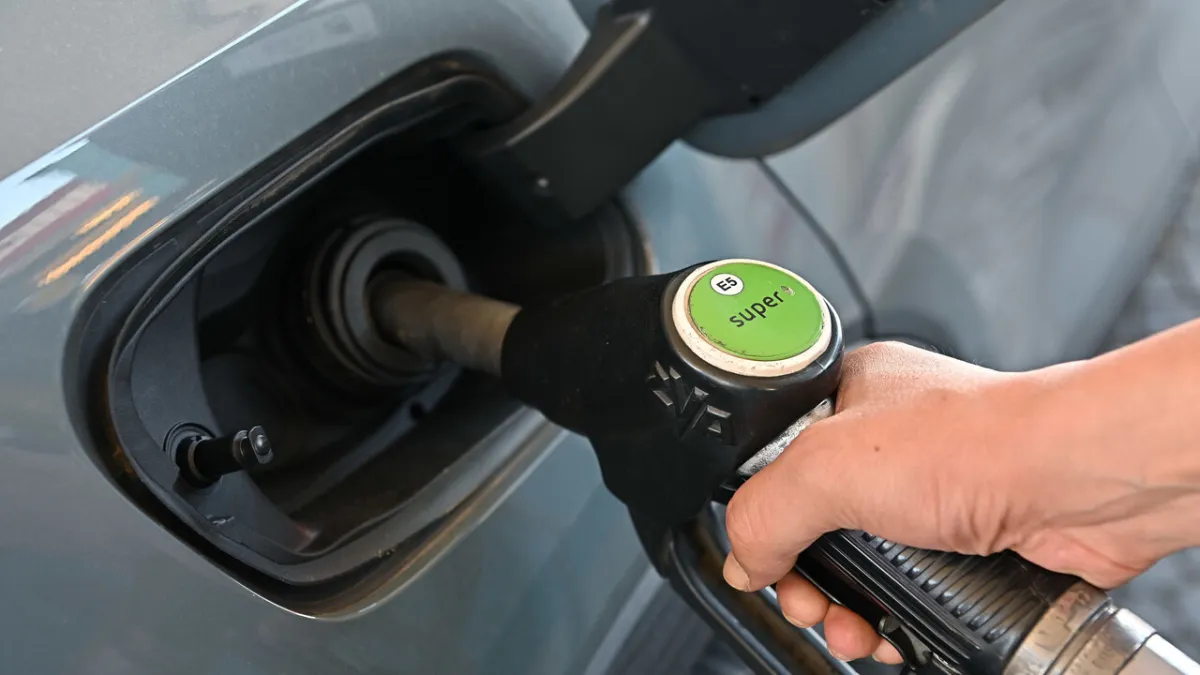
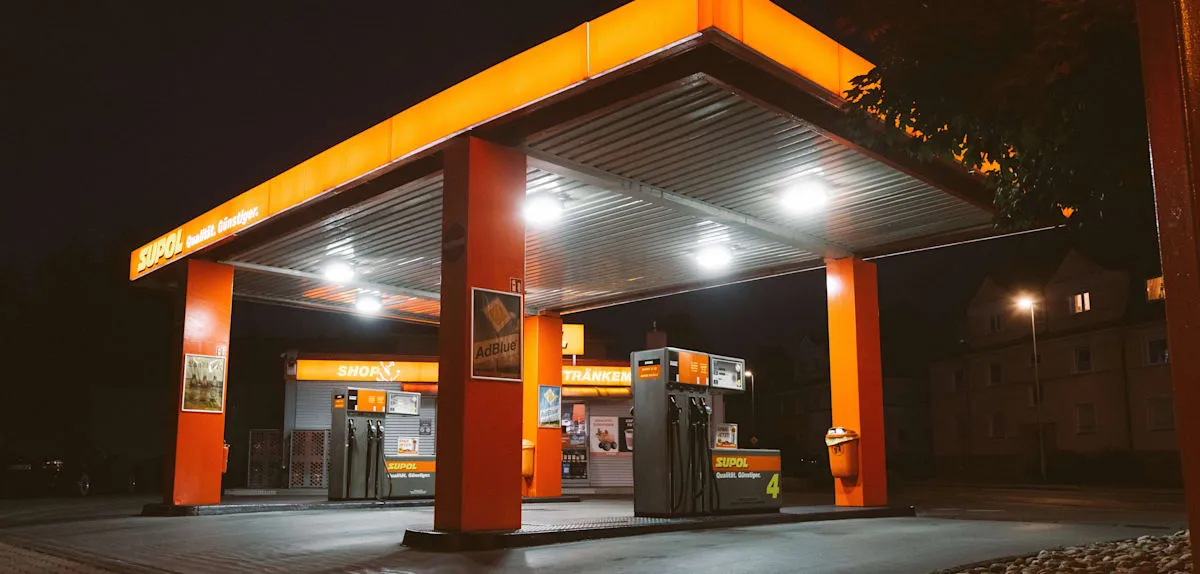
Rome – The Italian government faces a critical dilemma as soaring fuel prices continue to burden the national economy and citizens' purchasing power. This drastic increase is compelling the cabinet to swiftly devise a targeted economic aid scheme, while simultaneously seeking funding sources and securing the necessary political agreement.
This situation arises amid the volatile global energy market uncertainties of 2026, exacerbated by geopolitical dynamics. Italian citizens are directly feeling the impact of rising inflation, with transportation and logistics costs becoming increasingly expensive. This, in turn, affects the prices of essential goods and other services.
The Prime Minister, in a statement, emphasized the government's commitment to protecting vulnerable households and small businesses from the effects of energy price fluctuations. We will not leave our citizens to struggle alone with this burden, a government spokesperson affirmed.
Internal cabinet discussions, involving the Ministry of Economy and the Ministry of Ecological Transition, are focusing on the mechanism of aiuti mirati or targeted aid. This concept aims to ensure that subsidies or fiscal incentives reach those most in need, thereby avoiding wasteful government spending.
One of the options under consideration is the introduction of special fuel vouchers for low-income families or temporary tax reductions for transport companies. This model is expected to provide financial relief without triggering uncontrolled increases in demand.
Securing 'coperture' or funding sources for this aid package presents a significant challenge. The 2026 national budget is already strained by various commitments and post-pandemic economic recovery efforts. The Finance Minister is reviewing potential budget reallocations or non-tax revenue sources.
Beyond financial aspects, achieving 'accordo politico' or political consensus among coalition parties is also key. History shows that energy and fiscal policies often become arenas for intense debate among political factions. Various proposals are being put forward, demanding skilled negotiation from government leaders.
Some opposition parties have criticized the government's measures as being too late and insufficiently comprehensive. They demand long-term solutions for Italy's energy security, rather than mere temporary assistance. This criticism adds pressure on the cabinet to produce robust policies.
Economic analysts, including from leading think tanks, warn that without appropriate intervention, rising fuel prices could trigger waves of social unrest and slow down the pace of economic growth currently being pursued. This situation demands a swift and measured response.
The government is also considering dialogue with trade unions and consumer associations to gather direct input from the ground. The hope is that the resulting policies will not only be economically effective but also widely accepted by the public.
In a dynamic political context, the effort to reach an agreement on this aid package will test the solidity of the ruling coalition. As seen during discussions on other sensitive issues, the ability to unite will determine the future stability of the cabinet.
For instance, crucial decisions such as the coalition without opponents of support for Ukraine demonstrate how consensus can be achieved despite initial differing views.
Editorial Insight: The rise in fuel prices in Italy in 2026 is more than just an economic problem; it is a test of leadership and political stability. The government's ability to balance fiscal needs with social demands through targeted aid will determine public trust and the direction of Italy's economic recovery. The success of this policy hinges on the speed of execution and the strength of political consensus amid global pressures.