 Debby Wijaya
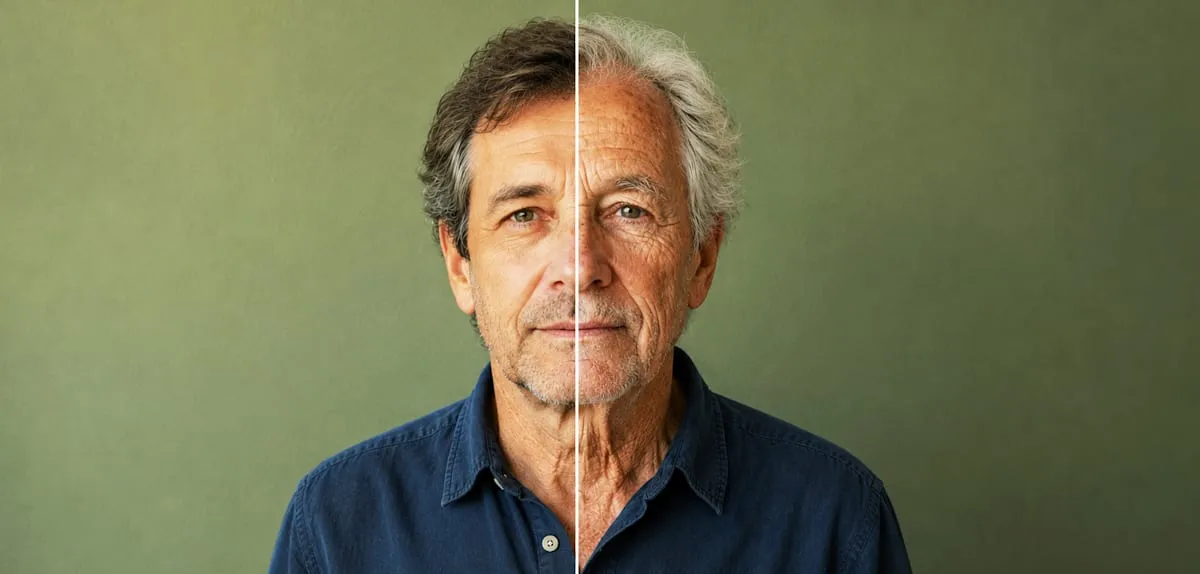
Amidst increasing global awareness of quality of life in old age, a prominent geriatrician, Professor Heike Bischoff-Ferrari, has revealed a significant finding. She states that individuals who successfully maintain several crucial health indicators at optimal levels after reaching the age of 50 have the potential to gain up to ten additional years of healthy, quality life. This statement garners significant attention given how often symptoms of aging are mistakenly interpreted as a normal part of the body's natural process, when many can be addressed or prevented.
The phenomenon of aging, which often begins to feel more intense after the golden age of 50, frequently brings various physical and mental complaints. Society generally tends to accept the decline in bodily functions as an unavoidable fate. However, Bischoff-Ferrari, an expert in geriatric medicine, highlights that this understanding is flawed. Many symptoms considered normal are actually signals of health conditions requiring serious attention and intervention.
Professor Bischoff-Ferrari emphasizes that the primary foundation for leading a healthy second half of life lies in managing specific risk factors. Although she did not detail every 'value' specifically in the interview, the international medical community broadly agrees that maintaining blood pressure, cholesterol levels, blood sugar, ideal body weight, and physical activity levels are vital parameters. Control over these parameters is key to mitigating various chronic diseases that often afflict individuals in old age.
A proactive approach to health in middle age is becoming increasingly crucial in 2026, alongside the rise in global life expectancy. Health experts encourage individuals not to wait for serious illnesses to emerge, but rather to adopt a preventive lifestyle early on. Education on the importance of early detection and lifestyle intervention is an inseparable element of public health strategies.
A healthy lifestyle, according to medical recommendations, includes a balanced, nutrient-rich diet, regular exercise, sufficient sleep, and effective stress management. Diets prioritizing fruits, vegetables, whole grains, and lean proteins can significantly reduce the risk of inflammation and metabolic diseases. Moderate physical activity for at least 150 minutes per week, such as brisk walking or cycling, has also been proven to improve cardiovascular and cognitive function.
Mental health aspects also play a significant role in healthy aging. Depression, anxiety, and social isolation can worsen physical conditions and accelerate cognitive decline. Therefore, maintaining social connections, engaging in brain-stimulating activities, and seeking professional support when necessary are integral parts of a healthy living strategy in old age.
Bischoff-Ferrari observes that many people often ignore early signs such as chronic fatigue, persistent joint pain, or sleep disturbances, attributing them to "just being old." However, these conditions could be early indicators of nutritional deficiencies, autoimmune diseases, or endocrine disorders that, if addressed earlier, could prevent serious complications later in life.
The main message conveyed by Professor Bischoff-Ferrari is empowerment. Every individual has substantial control over their health trajectory. By taking concrete steps to manage lifestyle and health parameters, the potential to achieve an additional decade of healthy and productive life is not just a dream, but an attainable goal.
The implications of this finding are extensive, not only for individuals but also for healthcare systems. A healthy and aging population will reduce the burden on medical facilities and increase the social and economic contributions of the elderly demographic. This encourages governments and health institutions to invest more in prevention and health promotion programs.
Therefore, this finding from a leading geriatrician serves as a reminder for all of us to view age 50 not as a gateway to decline, but as a critical phase for health investment that will yield results in the form of a better quality of life for decades to come. Managing risk factors is a smart step towards aging with vitality.