 Debby Wijaya
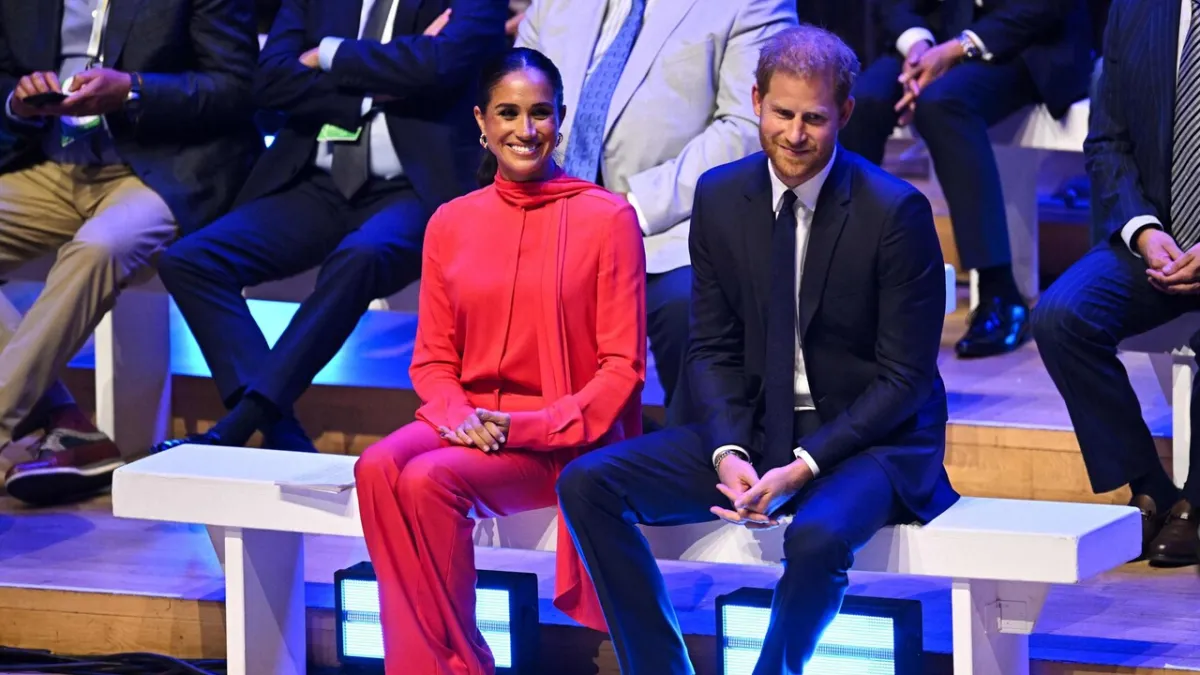
LONDON – The Duke and Duchess of Sussex, Prince Harry and Meghan Markle, are reportedly settling back in England in 2026, choosing a property in the Cotswolds countryside as their new residence. This decision reignites a fierce debate regarding their entitlement to official security, an issue that has been a point of contention since their withdrawal from royal duties.
Harry and Meghan's return to the prince's homeland, after several years residing in North America, marks a new phase in their highly scrutinized lives. The Cotswolds region, known for its natural beauty and serene atmosphere, was chosen to offer the privacy they deeply desire, while also maintaining geographical proximity to other members of the royal family.
However, behind the pastoral beauty of the Cotswolds lies a crucial unresolved issue: the guarantee of their personal security. Since their stepping down from senior royal roles, Harry and Meghan's right to publicly funded police protection has been the subject of legal disputes and public opinion.
The UK government, through the Home Office, previously argued that their non-working status no longer warranted automatic armed police protection like active members of the royal family. This compelled Harry to pursue legal avenues to claim adequate security for himself and his family when in the UK.
The situation is further complicated by Prince Harry's position as an heir to the throne and the genuine security threats he may face. Although they possess the financial resources to pay for private security, arguments persist that threats against a British prince are the state's responsibility.
The return of the Duke and Duchess of Sussex will undoubtedly once again test British public sentiment. While many may welcome their return, questions about who bears the cost of additional security are sure to re-emerge amid the economic pressures still felt in 2026.
Buckingham Palace has yet to issue an official statement regarding the couple's return. However, this move could potentially affect the internal dynamics of the royal family, particularly their relationship with King Charles III and Prince William, which has often been rumored to be strained.
Royal observers highlight that the security issue is not merely logistical but a reflection of their status and role within the modern monarchy. Security protection for members of the royal family is both a privilege and a burden, remarked a prominent royal analyst, It shows that even if they wish to live independently, their royal heritage cannot be fully detached.
The decision to return to England can also be interpreted as an effort to further root their children, Prince Archie and Princess Lilibet, in English traditions and culture. Life in the Cotswolds countryside offers a more traditional environment compared to the glamour of Los Angeles.
Nevertheless, the future of their security negotiations remains a major question mark. Will the government concede, or will Harry and Meghan find a sustainable financial and logistical solution? This will be a critical determinant for their new tranquil life in England.
Editorial Insight:
Prince Harry and Meghan Markle's return to England in 2026 is more than just a change of residence; it is a significant political and social statement. Their security dilemma highlights the tension between personal desires for independence and the inherent duties and risks associated with royal status. How the British government and the royal family respond to this issue will set important precedents for the future roles and responsibilities of non-working members of the royal family. It also serves as a test of the monarchy's ability to adapt amidst modern demands and evolving public opinion.