 Stefani Rindus
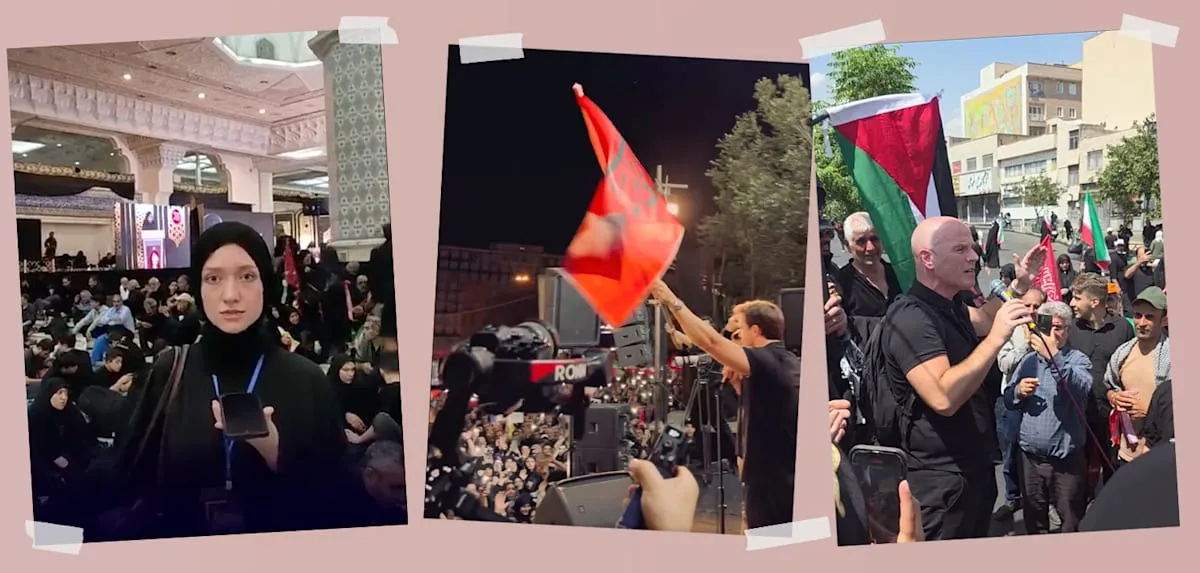
Tehran – A shocking report has revealed the alleged involvement of several Western influencers and activists in a massive propaganda effort by the Iranian regime. Their involvement came to light during the grand funeral of the late Supreme Leader Ayatollah Ali Khamenei in early 2026, where Tehran vigorously sought to project an image of strength and unity while systematically silencing domestic protests. This phenomenon has sparked fierce debate about journalistic ethics and information manipulation on the international stage.
The lavishly organized funeral was not merely a ritual of mourning, but a meticulously planned political spectacle. Iranian authorities, according to investigations, specifically invited social media figures from Europe and the United States to cover and disseminate narratives supporting the government. The goal was clear: to control global perception regarding the situation in Iran following the death of its long-reigning spiritual leader.
Amidst the hustle and bustle of the ceremony, anti-Israel sentiment became one of the main threads of the propaganda. Some attending influencers even openly voiced extreme views, including statements claiming, "Truly everyone here hates Israel." Such narratives were effectively used to divert attention from internal issues and focus public anger on an external enemy.
The Iranian regime has a long history of suppressing dissent. During Khamenei's funeral, maximum efforts were made to conceal any form of demonstration or expression of public dissatisfaction. Main streets and areas around the ceremony were filled with regime supporters, while security forces maintained a strict watch to ensure no anti-government narratives surfaced.
The precise identities of these influencers have come under scrutiny. Reports indicate that they include political activists, independent journalists, and social media figures with significant followings who have historically been critical of Western policies or sympathetic to anti-imperialist narratives. Their involvement raises questions about the motivations and funding behind their trips to Iran.
The practice of using influencers for propaganda purposes raises serious concerns about media integrity. The line between objective journalism and political advocacy becomes blurred. When individuals with large platforms accept invitations and facilities from a regime, suspicions arise that they may inadvertently become tools of disinformation.
This Iranian communication strategy is not new. They have long sought to counter Western narratives, which are often critical of their regime. By utilizing influencers, Tehran attempts to bypass traditional media filters and directly reach a global audience with its filtered message. This demonstrates the regime's adaptation to the evolving digital media landscape.
This event also cannot be separated from the geopolitical context of the Middle East in 2026. Tensions between Iran and Western countries, as well as the Israel-Palestine conflict, remain sensitive issues. Khamenei's funeral became a crucial moment for Iran to assert its position as an unshakeable regional power, even after losing its charismatic leader.
"This is a clever tactic," stated Dr. Aisha Rahman, a Middle East political analyst from the National University. "By inviting influencers, they create an impression of legitimacy and international support, while domestically, many voices are silenced. This is a form of modern information warfare."
Similar phenomena of global narrative manipulation have occurred in various forms. For instance, discussions regarding Iran's political dynamics and geopolitical threats to the United States in previous years have been subjects of in-depth analysis, as recorded in the article US Military Attack on Iran Triggers Tehran's Retaliation Threat 2026. This strategy reflects the ongoing efforts of various state actors to shape public opinion.
This situation urges the international community, and especially social media followers, to be more critical in filtering information. Transparency regarding the funding sources and affiliations of influencers is key to distinguishing between independent reporting and content driven by political agendas.
The alleged involvement of Western influencers in Iranian propaganda during Ayatollah Ali Khamenei's 2026 funeral highlights the complex challenges in the digital age's information warfare. This is not just about Iran; it is a universal warning about how narratives can be manipulated and disseminated through seemingly independent platforms. The future of journalism and public trust depends on our ability to identify and reject such disinformation.